
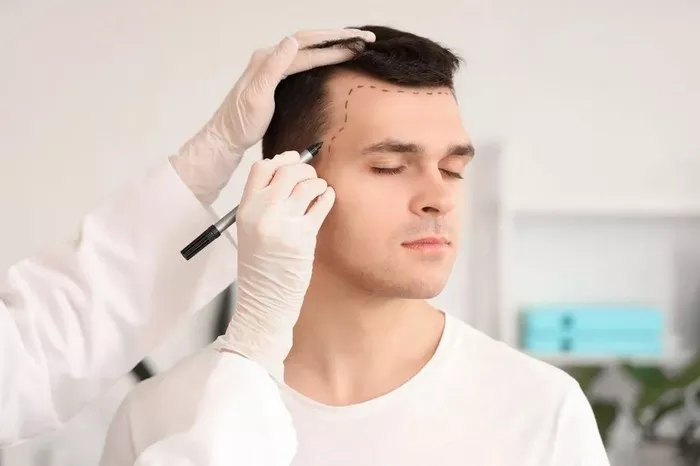
The Acibadem Health Group has shared insights into how hair transplantation is delivered across its healthcare network in Turkey, outlining the clinical principles, technologies, and patient-care standards applied at its specialised Hair Transplant Center. The group says its approach is rooted in medical evaluation and long-term planning rather than purely cosmetic considerations.
Hair transplantation is widely regarded as a lasting solution for individuals experiencing hair thinning or permanent hair loss. At Acibadem, every procedure begins with a comprehensive medical assessment that examines donor hair capacity, scalp health, and the pattern and progression of hair loss. This evaluation forms the basis of an individualised treatment plan designed to align with each patient’s medical profile and expected outcomes.
Rather than relying on a single standardised technique, the Hair Transplant Center applies established methods such as Follicular Unit Extraction (FUE) and Direct Hair Implantation (DHI). These techniques focus on precise follicle extraction and placement, controlled graft handling, and natural hairline design. According to the group, the choice of method is guided by clinical factors, with the aim of supporting natural-looking results while minimising visible scarring.
Acibadem emphasises that medical oversight plays a central role throughout the process. Procedures are carried out within a structured hospital environment that forms part of the group’s wider healthcare system, which includes multiple hospitals and medical centres across Turkey. This integrated setting allows patients to access broader medical resources rather than undergoing treatment in a standalone cosmetic clinic.
Turkey has become a global reference point for hair transplant procedures, supported by an experienced medical workforce and advanced clinical infrastructure. Within this competitive landscape, Acibadem positions itself as a provider that prioritises medical standards, patient safety, and continuity of care alongside technical expertise.
For many patients considering a hair transplant in Turkey, concerns often centre on safety, recovery timelines, and realistic expectations. Acibadem says its consultation process is designed to support informed decision-making, clearly explaining the surgical steps, expected hair growth phases, and the potential need for future treatments if hair loss continues.
Post-procedure follow-up is also described as a key component of care. Patients are monitored during recovery to assess healing and graft development over time, reflecting the group’s focus on long-term outcomes rather than short-term cosmetic results.
