
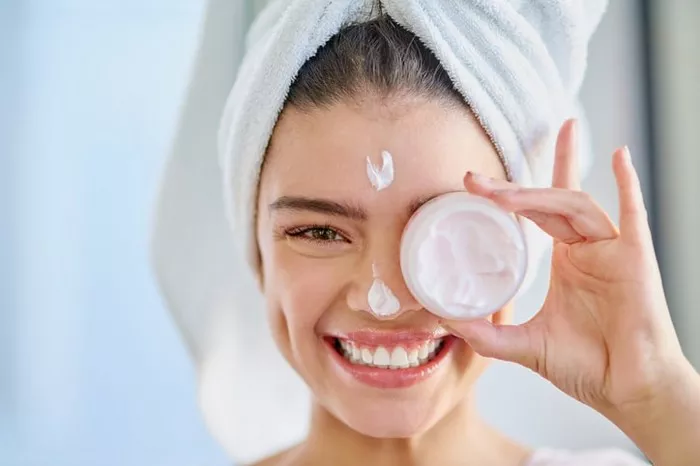
The global night skincare products market has become a pivotal segment of the broader beauty industry, driven by growing consumer interest in specialized evening routines and a heightened focus on anti-aging, hydration, and overnight repair. Night skincare encompasses a wide array of formulations—including night creams, serums, masks, and treatment blends—that harness the skin’s natural nocturnal repair cycle to deliver enhanced therapeutic and aesthetic results. Increasing awareness of skin health, the rise of digital discovery channels, and the proliferation of premium, performance-driven products have firmly embedded night skincare into daily self-care regimens across demographics.
Market Overview and Growth Outlook
In 2024, the global night skincare market was valued at USD 50.4 billion, with a projected compound annual growth rate (CAGR) of 6.2% through 2031, expected to reach USD 72.32 billion by that year. The average selling price per unit stood at USD 18, with approximately 2.8 billion units sold in 2024. Manufacturing gross margins average 32%, translating to a gross profit of USD 5.76 per unit against a cost of goods sold (COGS) of USD 12.24 per unit. Key components of COGS include raw materials, packaging, labor, quality assurance, compliance, and logistics. Production capacity for a single full-line facility is approximately 3.2 million units annually, with downstream demand concentrated in beauty devices and personalized skincare solutions.
Emerging Trends and Technological Innovations
The night skincare industry is rapidly evolving, driven by technological innovation and shifting consumer preferences. By December 2025, AI-powered personalized skincare recommendations have become increasingly prevalent, allowing consumers to tailor formulations to their unique skin profiles. Leading brands are also deploying digital diagnostic tools to enhance customer engagement and loyalty.
Sustainable and clean beauty trends continue to gain momentum, with formulations emphasizing naturally derived actives, biodegradable packaging, and eco-certifications appealing to environmentally conscious buyers. The influence of K-beauty innovations, particularly in overnight hydrating masks and barrier repair serums, continues to shape global strategies, expanding these products beyond Asia into Western markets via digital and retail partnerships.
Market Dynamics and Notable Transactions
Professional and retail channels highlight the breadth of demand for night skincare products. For example:
- Dermalogica, Inc., a distributor in professional aesthetics, places bulk orders for Biolumin-C Vitamin C Serum at USD 48.75 per 100ml unit.
- Ulta Beauty acquires CeraVe Skin Renewing Night Cream from CeraVe (L’Oréal) at a wholesale cost of USD 22.50 per unit.
- Medical spas frequently source high-potency formulas like SkinCeuticals Retinol 1.0 at approximately USD 98.00 per 30ml unit for clinical use.
At Amaroso Dermatology & Laser Center in Beverly Hills, post-procedure protocols integrate SkinMedica® TNS Advanced+ Serum following fractional laser treatments. The center maintains an annual contract for 500 units of this product (30ml each), totaling USD 125,000 or USD 250 per unit.
Regional Insights: Asia Leads Growth
Asia represents one of the fastest-growing and most dynamic markets for night skincare products. Rising urbanization, premiumization of skincare, and consumer enthusiasm for multi-step beauty routines have propelled regional demand. Markets in China, Japan, and South Korea are characterized by sophisticated formulations that blend traditional botanicals with advanced actives, appealing to both domestic and export markets. Digital platforms, social commerce, and live-streamed promotional events have become crucial drivers of seasonal sales spikes. Consumer preferences in Asia often favor lightweight, hydrating textures suited for humid climates, driving regional differentiation and competitive positioning.
Conclusion
As consumers worldwide increasingly prioritize overnight skin repair, hydration, and anti-aging, the night skincare segment continues to innovate and expand. AI-driven personalization, clean beauty, and K-beauty influences are reshaping product development and consumption patterns, positioning night skincare as a cornerstone of the global beauty industry’s growth trajectory.
