
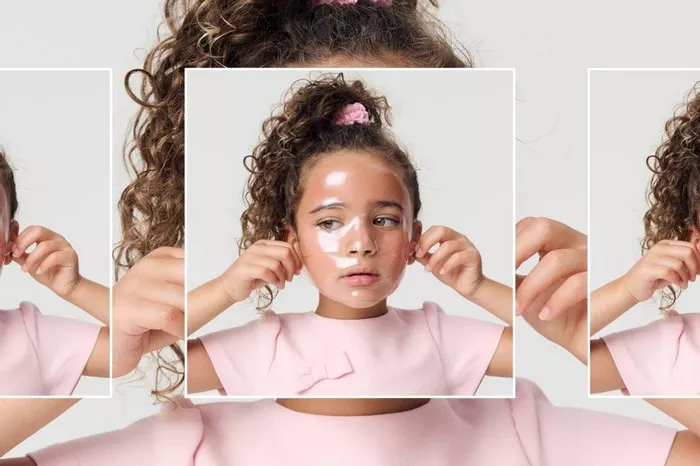
The question of how young is too young to begin using beauty products has resurfaced following the launch of Rini, a new skincare brand founded by actress and entrepreneur Shay Mitchell. Designed for children younger than the typical “tween” demographic, the brand has ignited online backlash. However, supporters argue the criticism stems largely from a misunderstanding of the company’s intent and product design.
Where the Controversy Begins
At the heart of the debate is the concern that introducing skincare to young children could create unnecessary pressure, encouraging them to believe they have physical flaws that require correction. Critics have also raised alarms about whether children’s skin—still developing and highly sensitive—is ready for any form of skincare at all, warning of potential irritation or long-term damage.
These worries have fueled a broader conversation about beauty culture and its impact on children, particularly in an era dominated by social media and influencer marketing.
Why Rini Is Being Misinterpreted
Rini’s defenders point out that the brand does not promote altering appearance or fixing perceived imperfections. Instead, its products focus on playful, age-appropriate self-care. The line features sheet masks designed in whimsical shapes such as pandas and unicorns, emphasizing fun and creativity rather than aesthetics or beauty standards.
According to the brand, all products are non-toxic, dermatologist-tested, and formulated with ingredients considered safe for children’s skin. Rather than introducing cosmetic enhancement, Rini aims to teach basic hygiene and self-care routines in a way that resonates with young users. Advocates argue that instilling these habits early can help foster lifelong practices around cleanliness, wellness, and self-respect.
A Gap in the Market for Child-Safe Beauty
The brand also emerges against the backdrop of a shifting retail landscape. In the late 2000s and early 2010s, stores like Limited Too and Justice offered child-friendly beauty products that balanced fun with safety. As many of these retailers disappeared, children interested in cosmetics increasingly found themselves drawn to mainstream beauty stores, where products are formulated for adult skin and often contain harsher active ingredients.
Rini positions itself as a response to this gap, offering a controlled and age-appropriate alternative. By clearly marketing its products as designed specifically for children, the brand seeks to prevent young consumers from experimenting with unsuitable adult skincare.
Safety and Intent at the Forefront
Shay Mitchell’s team has emphasized that Rini is not about encouraging children to “fix” their appearance. Instead, it is intended as a safe outlet for curiosity and creative expression. By prioritizing gentle formulations and transparency around ingredients, the brand aims to reassure parents while still appealing to children’s natural interest in fun, imaginative products.
A Broader Conversation About Self-Expression
While societal pressure around appearance undeniably exists, supporters argue that Rini does not amplify those pressures. Instead, it provides children with a harmless way to explore self-care without shame. For many adults who grew up using makeup or skincare as a form of self-expression, the criticism feels familiar—and misplaced.
As long as brands like Rini remain focused on hygiene, wellness, and enjoyment rather than appearance-driven messaging, advocates say they can play a positive role. In that context, the backlash may be better redirected toward promoting healthy habits and reducing stigma around innocent childhood interests.
Ultimately, Rini’s launch highlights a larger cultural debate: how to balance children’s curiosity with safety and responsibility. For now, the brand stands as an example of how skincare, when thoughtfully designed, can be about care rather than correction—even at a young age.
