
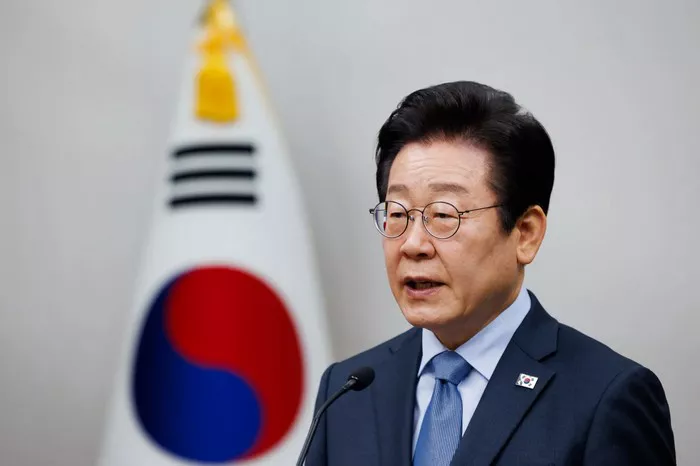
South Korean President Lee Jae Myung has directed his administration to explore extending public health insurance coverage to include hair-loss treatments, arguing that baldness has evolved into a “matter of survival” rather than a purely cosmetic issue for young people.
The proposal, unveiled during a policy briefing on Tuesday, would broaden the scope of the country’s universal health insurance system, which currently covers hair loss only when it is caused by specific medical conditions such as alopecia areata. Common forms of hair loss, including male pattern baldness, remain excluded from coverage.
Lee said the issue has contributed to growing frustration among younger generations, many of whom feel they pay into the insurance system without receiving corresponding benefits. “There may be young people who think it’s unfair that they only pay insurance premiums and can’t receive benefits,” he said, adding that a sense of alienation has become increasingly pronounced.
The idea is not new. Lee floated a similar proposal during his unsuccessful 2022 presidential campaign, when it drew criticism for being overly populist, but he later removed it from his most recent election platform. Its re-emergence has reignited debate over the role of public insurance and the pressures facing South Korea’s healthcare system.
The discussion has also underscored the country’s intense emphasis on physical appearance. A 2024 survey of young adults found that 98% believed attractive individuals enjoy social advantages. While the burden of appearance-related expectations has long been most visible among women—who face strict standards around makeup, skincare, and body image—men experiencing hair loss also report significant social pressure. Some attempt to conceal thinning hair through styling, while others pursue costly medical procedures.
South Korea’s hair-loss treatment market was estimated to be worth about 188 billion won (£95 million) in 2024. Industry groups claim that roughly 10 million people—nearly one-fifth of the population—experience some form of hair loss, although the figure has not been independently verified. Hair-loss shampoos remain particularly popular, despite periodic criticism over exaggerated claims of effectiveness.
The timing of Lee’s proposal has heightened scrutiny, as the national health insurance system is already under financial strain. Internal projections reportedly warn of potential deficits reaching 4.1 trillion won (£2.1 billion) by 2026.
Medical professionals have responded cautiously, with some openly opposing the idea. The influential Korean Medical Association argued that expanding coverage for hair-loss treatments would divert limited resources from more urgent needs. “Rather than investing health insurance finances in hair loss treatment coverage, prioritising coverage for cancer and other serious diseases would better align with health insurance principles,” the group said.
Conservative media outlets have also voiced strong objections. In an editorial, The Chosun Ilbo criticised the president for raising the issue without broader public consultation, stating that such decisions should not be made without input from citizens who fund the insurance system through premiums.
Health Minister Jeong Eun Kyeong struck a more measured tone, suggesting that Lee’s reference to “survival” may reflect the psychological impact of hair loss on young people, particularly in job searches and self-confidence. Asked during a radio interview whether expanded coverage would significantly affect insurance finances, Jeong replied that it likely would and stressed the need for a comprehensive analysis before any decision is made.
Former conservative lawmaker Yoon Hee-sook also weighed in, noting that while she sympathised with young people facing stress over hair loss, current social consensus prioritises treatments directly related to preserving life and basic bodily functions. She referenced a family member undergoing cancer treatment to underscore her point.
Supporters of the proposal have been more muted but visible. Park Joo-min, a ruling party lawmaker who has previously spoken publicly about his own hair transplant and advocates for hair-loss awareness, posted “truly Korea!” on social media platform X in apparent approval of the discussion.
In a separate move on Friday, President Lee instructed the Fair Trade Commission to investigate the pricing of menstrual pads, claiming they are around 39% more expensive than in other countries due to potential monopolistic practices. The directive reflects his broader focus on cost-of-living issues affecting younger and lower-income citizens.
