
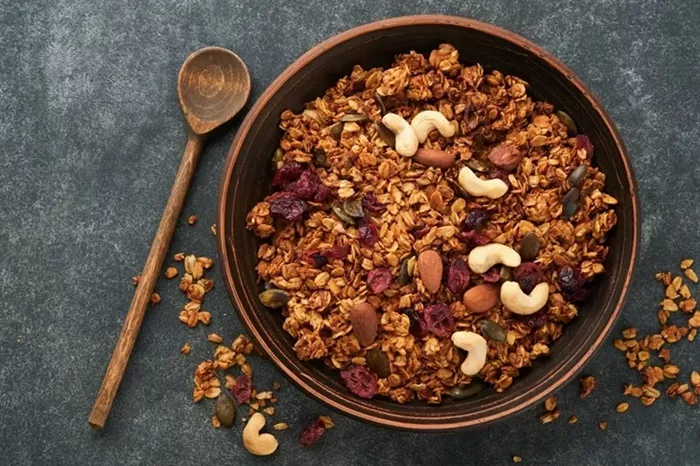
A recent study published in Foods suggests that a simple dietary change—replacing breakfast with fruit granola—may improve heart and kidney health in patients with chronic kidney disease (CKD).
CKD and Cardiovascular Risk
CKD affects roughly 843.6 million people worldwide and is linked to rising mortality. By 2040, it is projected to become the fifth leading cause of years of life lost globally. Lifestyle-related conditions such as diabetes, obesity, and high blood pressure increase CKD risk. Cardiovascular disease (CVD) is also common among CKD patients and is the leading cause of death in this population.
As CKD progresses, the risk of CVD rises. Evidence suggests that dietary interventions—including Mediterranean, whole-grain, and low-protein diets—can help reduce CKD risk. Fruit granola, a cereal primarily made from oats, contains only 0.24 g of salt per 50 g serving, making it a low-sodium option compared with typical Western or Japanese breakfasts.
Nutritional Benefits of Oats and Granola
Oats, the main ingredient in granola, contain beta-glucan, a water-soluble fiber known to lower LDL cholesterol and blood sugar levels. Previous research found that fruit granola intake reduced salt consumption, lowered blood pressure, and improved gut health in hemodialysis patients. Researchers aimed to test whether similar benefits could be observed in patients with moderate CKD.
Study Design
The study recruited adults aged 20 and above with moderate, stable CKD (eGFR 15–89 mL/min) at a Japanese university hospital. People with active inflammation, poor nutrition, cancer, or those on steroid therapy were excluded.
Participants replaced their usual breakfast with 50 g of fruit granola at least five days a week for two months. Blood and urine samples were collected, blood pressure measured, and nutritional status assessed. Stool quality and frequency were also recorded using the Bristol Stool Form Scale.
Key Findings
Twenty-four patients (mean age 66.8, 83% male) completed the study. Most were in CKD stages G3a to G3b, with diabetic nephropathy present in 87% of participants.
Blood Pressure: Systolic BP dropped from 128.9 mmHg to 124.3 mmHg; diastolic BP showed a smaller, non-significant decline.
Lipid Profile: LDL cholesterol and the LDL/HDL ratio decreased significantly, while HDL and triglycerides remained stable.
Kidney Health: Urinary markers of kidney tubular damage decreased significantly, suggesting improved renal health.
Gut Health: Participants experienced better stool frequency and quality.
Other Measures: No significant changes were observed in kidney or liver function, blood sugar, or electrolytes. Daily salt intake estimates slightly increased, likely reflecting limitations of the measurement method.
No adverse events were reported.
Implications and Limitations
The study indicates that a simple dietary change—adding fruit granola—may improve cardiovascular and kidney health and support gut function in moderate CKD patients. However, the findings are preliminary.
Limitations include the small sample size, short duration, lack of a control group, and all participants being Japanese. Dietary records were not kept, and the study involved collaboration with a food manufacturer. Larger, longer-term trials in diverse populations are needed to confirm these results.
Related topic:
