
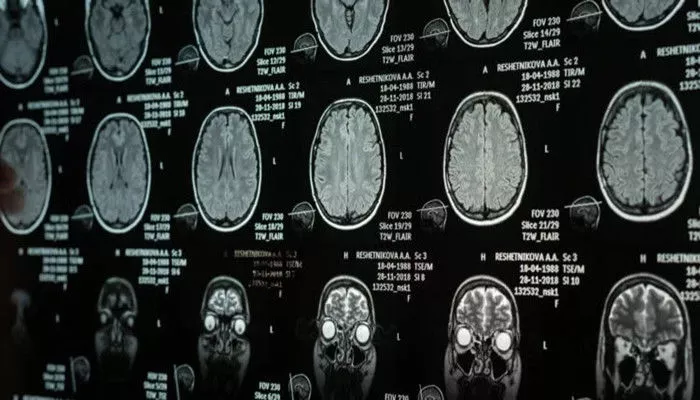
A new study suggests that a short, computer-assisted cognitive behavioral therapy (CBT) program can significantly reduce depression symptoms while reshaping brain connections linked to mood regulation. The research was published in Molecular Psychiatry.
Depression affects millions worldwide. While medications are commonly prescribed, psychotherapy remains a key treatment. Cognitive Behavioral Therapy (CBT) is one of the most effective approaches, helping patients challenge negative thoughts and develop healthier coping strategies.
Traditional CBT often requires weekly sessions with a therapist over several months, which can be time-consuming and expensive. To make therapy more accessible, computer-assisted CBT (CCBT) programs have been developed. These programs allow patients to practice CBT skills at home through interactive lessons, with support from a therapist.
Led by Yvette I. Sheline from the University of Pennsylvania, the study explored whether a shorter, computer-assisted CBT program could be effective compared to a waitlist control group, and whether therapy would produce measurable changes in brain activity.
The study included 112 participants (70% female, ages 18–60), with 72 diagnosed with major depressive disorder and 40 healthy controls. Depressed participants were randomly assigned to start treatment immediately or after a waitlist period.
The treatment involved five therapist-led CBT sessions and nine computer-based lessons using the “Good Days Ahead” program over eight weeks. The program includes interactive lessons, virtual characters, and exercises teaching core CBT principles. Participants also underwent functional MRI (fMRI) scans before and after therapy, and their symptoms were tracked with standard depression rating scales.
Results showed that patients completing the program experienced nearly a 50% reduction in depression scores, while those on the waitlist showed no improvement. About 55% of patients responded to treatment, and nearly half achieved full remission.
Brain scans revealed that therapy not only reduced symptoms but also strengthened connections between the prefrontal cortex—a region involved in decision-making and emotional control—and deeper structures like the amygdala, hippocampus, and nucleus accumbens, which regulate emotion and reward.
Connectivity also improved in the Default Mode Network, which works with the insula to process emotional and bodily states. These changes suggest that therapy helps rebalance brain regions that regulate mood.
Notably, increased connectivity between the frontoparietal network and the subgenual anterior cingulate cortex correlated with reductions in depression scores on the Beck Depression Inventory, although no association was seen with the primary Montgomery-Åsberg Depression Rating Scale.
Sheline and colleagues highlighted that the findings show a substantial portion of CBT’s benefits can be delivered at home, potentially reducing costs while making therapy more accessible.
The researchers caution that the study did not directly compare computer-assisted CBT with traditional in-person CBT, so equivalence cannot be assumed. They also noted that brain connectivity changes were not strong enough to serve as a diagnostic marker distinguishing depressed patients from healthy individuals.
Related topic:
