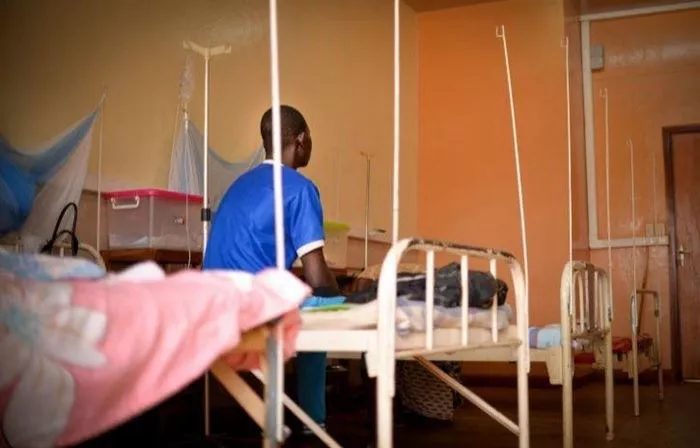
Chronic kidney disease (CKD) is a quiet but growing health crisis. Driven largely by rising rates of diabetes and hypertension, CKD is expected to become the fifth-leading cause of death worldwide by 2040. In Africa, it affects nearly 16% of adults — far higher than the global average of 10%.
To better understand the scope of the problem, AstraZeneca launched INSIDE CKD, a first-of-its-kind study modeling the clinical, economic, and environmental impact of CKD through 2030. The study predicts CKD cases will rise sharply in Ghana (over 18%) and Uganda (over 17%). Without urgent intervention, the future looks bleak.
Why CKD Often Goes Undetected
CKD gradually impairs kidney function, often without symptoms until late stages. Worldwide, it affects an estimated 850 million people. Diabetes and hypertension are major contributors, yet CKD remains underdiagnosed, undertreated, and underfunded.
If untreated, CKD can lead to kidney failure, requiring dialysis or a transplant, at a cost of $35,000 to $100,000 per patient per year. In Africa, uncontrolled hypertension is a leading cause. Recent data shows that 1 in 7 Ghanaians and 1 in 6 Ugandans with hypertension already show early signs of kidney damage.
Despite effective treatments, many patients lack access to care. Early detection through simple blood and urine tests is crucial, particularly for people with hypertension. Projections indicate that Ghana and Uganda could see nearly 80,000 CKD-related deaths by 2030 if action is not taken.
Taking Action to Change CKD Outcomes
The recent World Health Assembly resolution on kidney care calls for governments to act. Countries must implement national screening strategies for high-risk populations, update screening guidelines, train healthcare workers, and establish clear referral pathways. Early detection is the most effective way to reduce CKD’s long-term impact and relieve pressure on health systems.
Collaboration is key. Policymakers, patient groups, and healthcare providers must work together to set realistic goals that improve lives and reduce healthcare burdens.
Healthy Heart Africa: A Model for Change
For the past decade, Healthy Heart Africa (HHA) has been closing gaps in CKD and hypertension detection. Launched in Kenya in 2014, HHA is a partnership between AstraZeneca and African governments, focusing on early detection, treatment, and equitable access to care — especially in underserved communities.
HHA strengthens primary care through guideline development and training of local health workers. The program has screened 77.8 million people, identified over 14 million with high blood pressure, and screened more than 202,000 for CKD, connecting those in need to appropriate care.
Innovation is central to HHA’s work. Plans are underway to launch an AI-based CKD screening tool for primary care, aiming to speed up diagnosis and improve outcomes, particularly in underserved areas.
Related topic:
- Controlling Hypertension Can Significantly Lower Dementia Risk in Older Adults
- New Research Shows Mesothelioma Cells Can Mimic Fibroblasts, Evading Treatment
- Medical Insurance Market Dominance by Leading Insurers Continues to Rise