
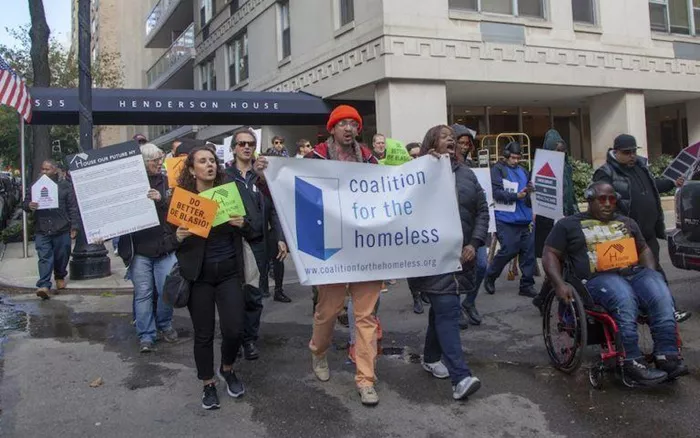
As London, Ont., continues to grapple with homelessness, experts are calling for more mental health services for people living on the streets. Sharon Bankes McArthur, a mother whose son has been homeless for almost two years, says there’s a critical gap in the system. Her son, diagnosed with schizophrenia at 16, now struggles with both mental health issues and addiction.
“The biggest gap is ongoing, wrap-around psychiatric care,” Bankes McArthur explains. “People like my son have complex needs, but the support just isn’t there anymore.”
The city currently has seven Assertive Community Treatment (ACT) teams, which provide care for people with severe mental illnesses. However, these teams are overwhelmed, and there’s a long waiting list for services. According to Jodi Younger, a vice-president with St. Joseph’s Health Care London, the teams serve around 600 people in the region, but more are needed.
“The population is growing, and both homelessness and mental health needs have increased,” Younger said. “We need at least one or two more ACT teams to meet the demand in the area.”
Mental Health Care on the Streets
Bankes McArthur’s son first received help through the Prevention and Early Intervention Program for Psychoses (PEPP) after being diagnosed with schizophrenia. He was later referred to the ACT team, but his condition has worsened over time. Despite receiving some care, he has never been able to live independently and is now living on the streets.
ACT teams are made up of a variety of specialists—psychiatrists, nurses, social workers, and addiction workers. Each team typically supports about 85 clients, though demand often exceeds capacity. These teams are designed to provide intensive support to people with long-term mental health conditions, such as schizophrenia and bipolar disorder, and to help them avoid prolonged hospital stays.
However, for many, the barriers to accessing care are significant. People who are homeless often face additional challenges, like not having a phone or missing scheduled appointments due to the instability of their living situation. This, in turn, can push them further down long waitlists.
Carole-Anne Blanchard, head of the London Homeless Coalition, emphasizes the importance of stable housing. “For someone who is unsheltered, just knowing what time it is or having access to a phone can be a huge barrier to receiving care,” Blanchard says.
The Need for Long-Term Care and Housing Solutions
Bankes McArthur, devastated by her son’s situation, is calling for long-term care facilities specifically for people with severe mental health conditions. “I think about my son curled up on the street, hoping he won’t freeze to death,” she says. “Frontline workers are doing everything they can, but it’s not enough. It’s nowhere near enough.”
For mental health teams like ACT to be effective, experts say more supportive housing is needed. “Housing is the critical linchpin,” says Younger. “We need more highly supportive housing to complement these services. People who are housed are far more likely to stay housed and experience significant improvements in their mental health.”
Related topic:
