
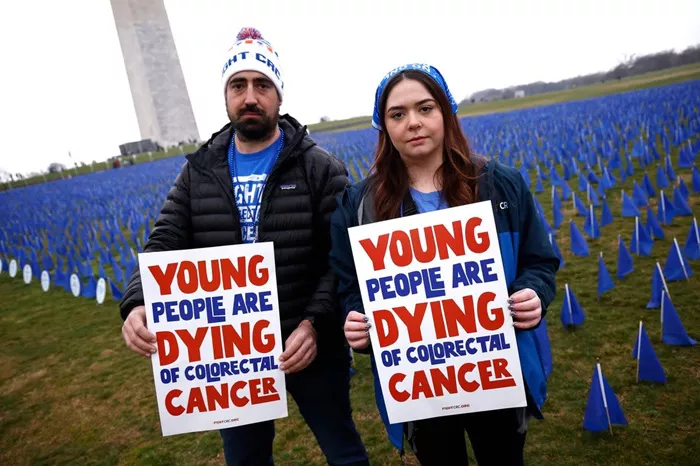
Colon cancer is increasingly affecting younger adults in the U.S. Nearly twice as many people under 50 are now diagnosed compared to a decade ago, according to the American Cancer Society. The average age of onset has also dropped from 72 to 67, Dr. Y. Nancy You, a colorectal cancer specialist at MD Anderson Cancer Center, told the National Institutes of Health.
This year, doctors expect 107,000 new colon cancer cases and nearly 53,000 deaths. Currently the second-leading cause of cancer deaths, colorectal cancer is projected to become the top cause of cancer deaths among young Americans by 2030, according to the Colon Cancer Coalition.
Early detection is critical, yet many people only notice symptoms after the disease has advanced. Oncologists highlight seven warning signs to watch for:
1. Blood In Your Stool
Blood in the stool can signal a serious issue, though hemorrhoids can also be the cause. Dr. Kayla Bassett, a colon and rectal surgeon at Hartford HealthCare Cancer Institute, says this symptom is often overlooked, particularly in younger patients.
2. Persistent Abdominal Pain
Ongoing stomach cramps, gas, or bloating may indicate a deeper problem. Hartford HealthCare advises anyone experiencing consistent discomfort after eating to consult a doctor.
3. Unexplained Weight Loss
Sudden weight loss of 10 pounds or more in six months or less could be linked to colon cancer. Tumors may block the colon, reducing nutrient absorption, while cancer cells consume the body’s energy. UnityPoint Health recommends speaking with a physician if this occurs.
4. Chronic Fatigue
Persistent exhaustion that doesn’t improve with rest can be a warning sign. Fatigue may result from tumors causing internal bleeding in the digestive tract, according to Tri-City Medical Center.
5. Changes in Stool Shape or Bowel Habits
Pencil-thin stools or significant changes in bowel movements, including constipation or diarrhea lasting more than a week, may signal a blockage or tumor in the colon.
6. Anemia
Low red blood cell counts can be caused by chronic bleeding from colon tumors. Around three million Americans live with anemia, which may sometimes point to colorectal cancer, according to the Endoscopy Center of St. Thomas.
7. Difficulty Passing Gas or Bloating
Persistent fullness, bloating, or inability to pass gas may indicate an obstruction in the colon. FightColorectalCancer.org advises consulting a doctor if these symptoms persist.
Recognizing these early warning signs and seeking prompt medical advice can be life-saving.
Related topic:
