
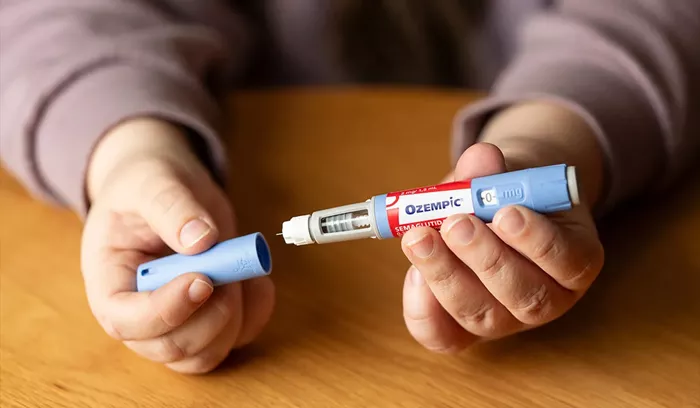
Danish researchers have observed a sharp rise in the use of weight loss drugs, particularly GLP-1 medications such as Ozempic and Wegovy, among women in the months following childbirth.
A study published this week in JAMA analyzed 382,277 pregnancies in Denmark between early 2018 and mid-2024. It found that postpartum prescriptions for GLP-1 drugs rose from fewer than five per 10,000 new mothers in 2018 to 173 per 10,000 by mid-2024—nearly 2 percent of all new mothers. Most of the women were over 30, had more than one child, and were overweight but not diabetic before starting treatment.
“This increase occurred during a time when natural weight loss and hormonal changes are typical after childbirth,” said Dr. Mette Bliddal, a pharmacologist and lead researcher at the University of Southern Denmark. “The trend was unexpected.”
GLP-1 drugs, including semaglutide—the active ingredient in Wegovy and Ozempic—have become popular for weight loss worldwide. However, their effects after childbirth remain largely unknown. While early data suggest that semaglutide does not appear in measurable amounts in breast milk and no related harm has been observed in infants, evidence remains limited. Researchers stressed that long-term effects on metabolism, pancreatic function, or growth have not been fully studied.
The American College of Obstetricians and Gynecologists has yet to issue formal postpartum guidelines for GLP-1 use due to insufficient data. Similarly, First Exposure, a drug safety network at the University of Toronto, advises against using these medications during breastfeeding or late pregnancy.
Dr. Jonathan Zipursky, a clinical pharmacologist at the University of Toronto, explained that GLP-1 drugs are large molecules that rarely pass into breast milk. “Out of caution, we recommend avoiding them while breastfeeding—not because we know of harm, but because data are so limited,” he said.
Experts also warn that appetite suppression from the drugs could reduce milk production or lead to dehydration at a time when the body is already working to restore balance. “Postpartum recovery is complex, and how weight loss medications interact with these processes remains unclear,” Dr. Bliddal noted. She added that even small changes in milk composition could influence infant development.
The study highlights a growing trend in postpartum weight management but also underscores the need for more research to determine the safety of GLP-1 drugs during breastfeeding and early maternal recovery.
Related topics
