
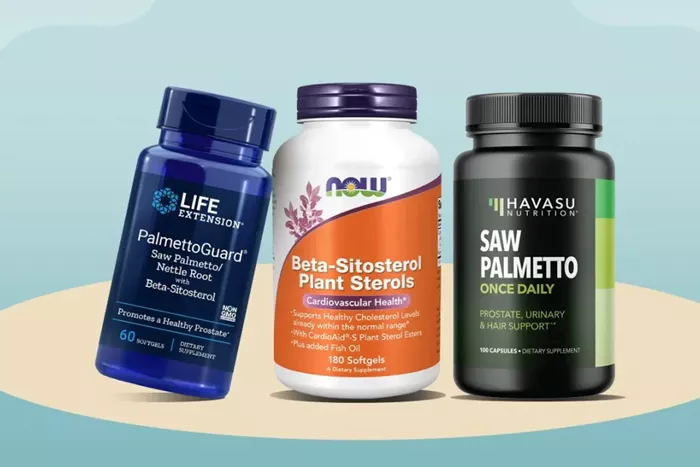
Supplements are often marketed as natural health boosters, but for people managing prostate cancer, some can do more harm than good. Certain vitamins, minerals, and herbs have been linked to cancer progression or dangerous interactions with cancer therapies, experts warn.
The U.S. Food and Drug Administration (FDA) does not test or approve dietary supplements for safety or effectiveness. That means product quality, purity, and labeling can vary widely. Before adding any supplement to your routine, clinicians recommend speaking with your oncology team to assess potential benefits, drug interactions, and safety.
A plant-forward diet rich in fruits, vegetables, legumes, whole grains, and healthy fats remains the best source of essential nutrients. However, some men with prostate cancer may still need targeted supplements — for example, vitamin D and calcium — when taking hormone-suppressing therapies that weaken bone density.
Below are seven supplements cancer specialists say should generally be avoided if you have prostate cancer.
1. Vitamin E
High-dose vitamin E supplements have been linked to a higher risk of prostate cancer and disease progression. “Doses above 400 IU per day can be associated with increased risk,” says David Taub, MD, director of urologic oncology at Baptist Health South Florida. Vitamin E may also interfere with cancer treatment by counteracting oxidative stress—a mechanism chemotherapy and radiation rely on to kill tumor cells.
In addition, it can increase bleeding risk during surgery. Natural food sources such as leafy greens, seeds, nuts, and plant-based oils are safe ways to obtain vitamin E.
2. Zinc
Low zinc intake may benefit prostate health, but higher doses appear to increase risk. “Consistent daily intake above 75 mg has been connected to aggressive prostate cancer,” says oncology dietitian Gabriella Nowicki, RDN. Long-term supplementation—over 15 years—may also elevate risk of fatal disease. The upper safe limit for adults is 40 mg per day.
Experts advise meeting zinc needs through food and avoiding high-dose supplements.
3. St. John’s Wort
St. John’s wort, an herbal remedy for mild depression and menopause symptoms, poses a significant risk for drug interactions. The supplement activates liver enzymes that accelerate drug metabolism, reducing the effectiveness of chemotherapy medications such as docetaxel and oral agents like enzalutamide, apalutamide, and abiraterone. Oncology teams urge full disclosure of any herbal use, as interactions can undermine therapy.
4. Selenium
Excess selenium supplementation has been associated with increased prostate cancer risk, especially among men with already adequate selenium levels. Intakes above 140 micrograms per day—nearly triple the recommended 55 micrograms—have been linked to higher PSA levels and elevated mortality risk. Obtaining selenium from natural sources such as fish, grains, and eggs is considered safe.
5. Saw Palmetto
Although widely sold in “prostate health” formulas, saw palmetto lacks evidence of benefit for men with prostate cancer. Research does not show improvements in PSA levels or outcomes. It may also raise the risk of bleeding when combined with anticoagulant or antiplatelet drugs, posing risks before surgical procedures. Some formulations combine saw palmetto with zinc or other high-dose ingredients, further compounding risks.
6. High-Dose Multivitamins
Many multivitamins are poorly regulated, may use low-quality ingredients, and can cause excessive intake of fat-soluble vitamins such as A and D. Over-supplementation may lead to toxicity affecting the liver or kidneys. There is no proven benefit for recurrence prevention or survival. Eating a variety of fruits, vegetables, lean proteins, and whole grains is a safer approach unless lab tests reveal specific deficiencies.
7. Antioxidants (Vitamin C, CoQ10)
While antioxidants from food sources are beneficial, supplemental antioxidants like vitamin C and coenzyme Q10 can reduce the effectiveness of chemotherapy and radiation. These treatments work by generating oxidative stress to kill cancer cells. Taking large antioxidant doses may counteract that mechanism. Oncologists typically advise avoiding antioxidant supplements during therapy, while emphasizing an antioxidant-rich diet after treatment.
Conclusion
Men with prostate cancer should be cautious with supplements marketed for immune or prostate support. High doses of vitamin E, zinc, and selenium may worsen cancer outcomes, while herbs like St. John’s wort and saw palmetto can interfere with treatment or increase bleeding risk. A nutrient-rich, plant-based diet remains the safest foundation for recovery and disease management. Before taking any supplement, consult your oncology care team to assess potential risks and ensure coordination with treatment.
Related topics
