
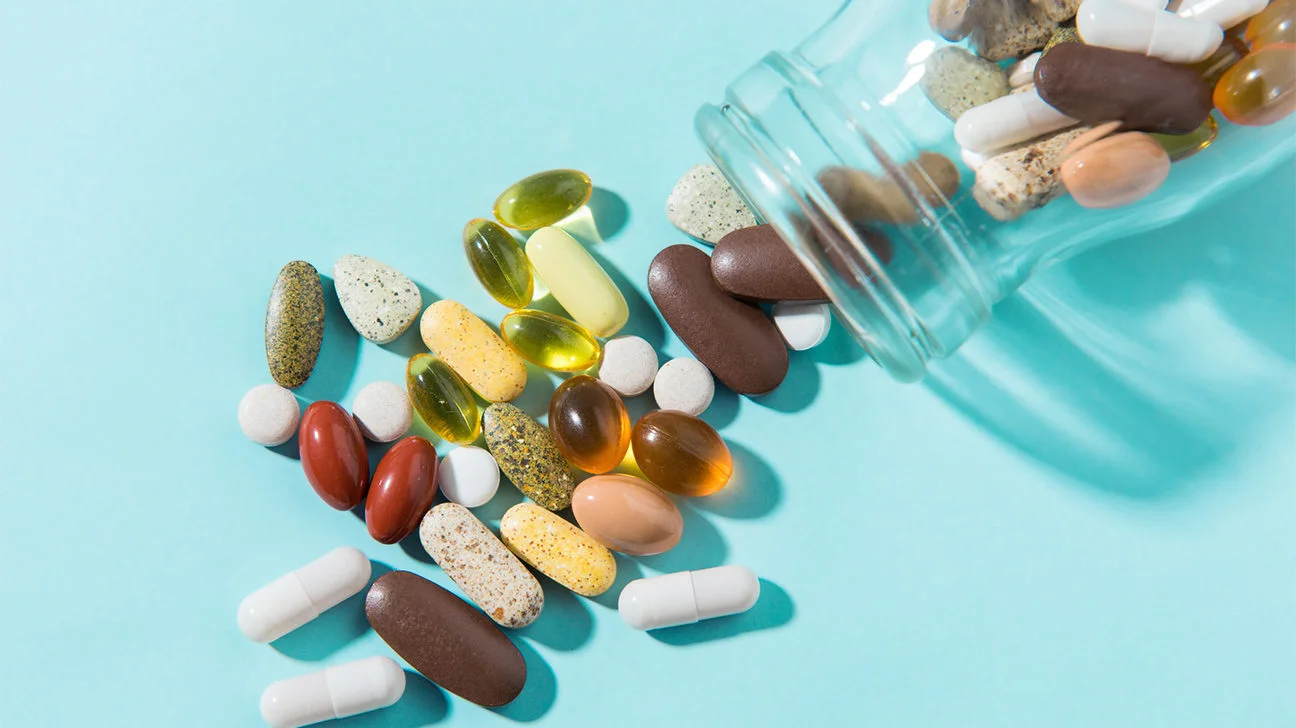
Prostate supplements are widely marketed to promote prostate health and potentially reduce the risk of prostate-related conditions, including benign prostatic hyperplasia (BPH) and prostate cancer. While many supplements promise benefits, scientific evidence supporting their effectiveness varies, with some compounds demonstrating limited or mixed results.
Selenium: Antioxidant Benefits and Risks
Selenium is an essential mineral with antioxidant properties that help neutralize free radicals, potentially reducing DNA damage and the risk of age-related diseases, including cancer.
Potential Benefits: Population-based studies indicate a link between low selenium levels and a higher incidence of prostate cancer, suggesting deficiency may play a role.
Limitations: Controlled trials among older men show no significant reduction in prostate cancer risk with supplementation of 500 mcg daily.
Safety: The recommended daily allowance (RDA) is 55 mcg. Doses above 900 mcg can cause nausea, hair loss, and nerve pain.
Zinc: Essential Mineral for Prostate Function
Zinc supports cell turnover and is crucial for semen production. Prostate cells store zinc, but deficiency may increase health risks.
Potential Benefits: Low zinc levels are associated with higher prostate cancer risk.
Limitations: Excess zinc (>75 mg/day for over 15 years) may increase the risk of aggressive prostate cancer.
Safety: RDA is 11 mg for adult males; high doses can impair absorption of other minerals like copper and iron.
Lycopene: Plant-Based Antioxidant
Lycopene, a carotenoid found in tomatoes and beets, is suggested to reduce oxidative stress and inflammation.
Potential Benefits: Small studies show lycopene may lower prostate-specific antigen (PSA) levels.
Limitations: Evidence does not support a reduction in prostate cancer risk through supplementation.
Safety: No established RDA; excessive intake may cause gastrointestinal discomfort and mild skin discoloration.
Green Tea Catechins: EGCG and Cancer Prevention
Green tea contains catechins, notably epigallocatechin-gallate (EGCG), which may inhibit the growth of mutated cells.
Potential Benefits: Daily intake of 400–600 mg EGCG may reduce prostate cancer risk.
Limitations: Men with high-grade precancerous prostate cells may not experience protective effects.
Safety: Generally safe; taking EGCG on an empty stomach can cause stomach upset.
Modified Citrus Pectin (MCP)
MCP may inhibit galectin-3, a molecule associated with tumor growth.
Potential Benefits: A 2023 study reported 85% of prostate cancer relapse patients using MCP experienced no disease progression after 18 months.
Limitations: Lack of a control group limits interpretation of results.
Safety: FDA generally regards MCP as safe and well-tolerated.
Vitamin D: Hormonal Regulation
Vitamin D may reduce circulating androgens, which can fuel prostate cancer growth.
Potential Benefits: Some studies suggest vitamin D lowers PSA and reduces inflammation.
Limitations: No clear evidence linking vitamin D supplementation to lower prostate cancer incidence.
Safety: RDA is 15 mcg (600 IU); excess intake may interact with diuretics and anticoagulants.
Soy: Isoflavones and Prostate Health
Soy contains genistein, an isoflavone that may impair prostate tissue growth.
Potential Benefits: A 2024 study reported reduced prostate cancer risk with non-fermented soy products.
Limitations: Reviews show minimal impact on PSA levels.
Safety: Well-tolerated but may cause bloating or diarrhea in some individuals.
Saw Palmetto: Herbal Therapy for BPH
Saw palmetto is used for urinary symptoms and prostate inflammation.
Potential Benefits: Some proprietary extracts show anti-inflammatory effects similar to alpha blockers.
Limitations: Major reviews report minimal clinical impact on BPH symptoms.
Safety: Generally mild side effects, including stomach upset and headaches.
African Cherry Bark: Phytosterols for Inflammation
African cherry bark contains compounds that may reduce prostate inflammation.
Potential Benefits: Lab studies demonstrate anticancer and anti-androgenic effects.
Limitations: No clinical studies confirm effects on prostate conditions in humans.
Safety: Doses of 100–200 mg daily for short-term use appear safe.
Rye Grass Pollen Extract (Cernilton)
Rye grass pollen may relieve urinary pressure and inhibit dihydrotestosterone conversion.
Potential Benefits: May improve BPH symptoms and support chronic prostatitis management.
Limitations: Evidence is modest; no data confirms cancer prevention benefits.
Safety: Well-tolerated; individuals with rye allergies should avoid it.
This review highlights that while some supplements show potential, high-quality clinical evidence remains limited. Men considering prostate supplements should consult healthcare professionals to balance benefits and risks.
Related topics
