
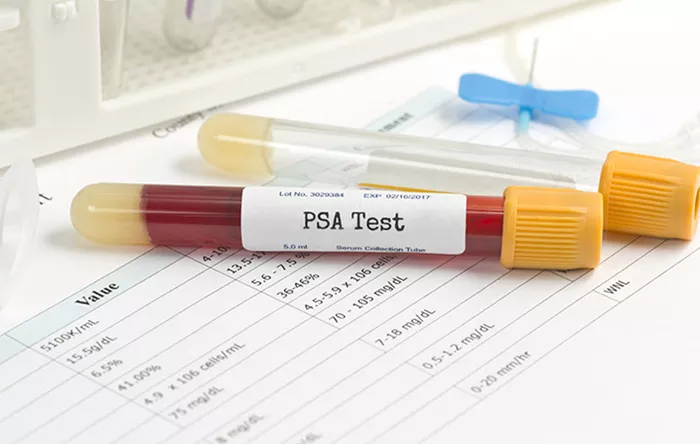
Prostate-specific antigen, or PSA, is a protein produced by the prostate gland. PSA levels can naturally vary throughout a man’s life. High PSA levels do not always indicate cancer—they can also occur due to benign prostatic hyperplasia (BPH), an enlarged prostate, or prostatitis, an inflammation of the prostate. However, elevated PSA can be an early sign of prostate cancer.
What Is a PSA Test?
A PSA test is a simple blood test that measures the amount of PSA in the blood. It helps detect conditions such as:
- Prostate cancer
- Enlarged prostate (BPH)
- Prostatitis (prostate inflammation)
PSA exists in two forms in the blood: attached to proteins or free. Doctors may recommend a free PSA test alongside the total PSA test to better understand elevated levels.
Symptoms That May Require a PSA Test
Doctors may suggest a PSA test if a patient shows symptoms like:
- Frequent urination
- Painful urination
- Blood in urine or semen
- Urinary urgency or incontinence
- Pelvic or back pain
Factors That Influence PSA Levels
PSA levels are affected by age, race, health habits, and prostate size. Men with larger prostates naturally have higher PSA levels, while smaller prostates generally produce lower levels.
Understanding PSA Levels
PSA is measured in nanograms per milliliter (ng/mL). Typical interpretations include:
0–2.5 ng/mL: Low risk of prostate cancer. Retesting usually not needed.
2.5–4 ng/mL: Normal range. Doctors may recommend monitoring or retesting.
Above 4 ng/mL: Could indicate BPH, infection, or other conditions; further testing may be required.
10 ng/mL or higher: Higher risk of prostate cancer; immediate follow-up is advised.
Normal PSA Levels by Age
PSA levels naturally rise with age:
- 40–50 years: 0–2.5 ng/mL
- 50–60 years: 0–3.5 ng/mL
- 60–70 years: 0–4.5 ng/mL
- 70+ years: 0–6.5 ng/mL
High PSA Levels and What They Mean
High PSA levels (4–10 ng/mL or more) may indicate:
- Prostate cancer
- BPH (enlarged prostate)
- Prostatitis
- Urinary tract infection
The percentage of free PSA helps differentiate between BPH and cancer. Free PSA above 20% often indicates BPH, while below 10% may suggest a higher risk of prostate cancer.
Next Steps After a High PSA Result
If your PSA is elevated, doctors may recommend:
- Repeat PSA test to confirm results
- Digital rectal examination (DRE)
- Prostate biopsy
- Urine test for infection
- Transrectal ultrasound or MRI
Preparing for a PSA Test
Preparation is simple:
- Stay hydrated and follow any fasting instructions
- Avoid sexual activity a day before the test
- Inform your doctor about medications or supplements
PSA Test Procedure
The test involves drawing blood from a vein in the arm. The sample is sent to a lab for analysis. Mild discomfort may occur during the blood draw but lasts only a few minutes.
Purpose of the PSA Test
The PSA test primarily screens for prostate cancer. It is also used to diagnose BPH, prostatitis, and monitor treatment outcomes for prostate conditions.
Cost of a PSA Test
At Metropolis Healthcare Labs, a total PSA test with free PSA ratio costs Rs. 1,650, while a free PSA test alone costs Rs. 980.
Interpreting PSA Test Results
There is no single “normal” PSA level. High PSA may indicate cancer, but some men with prostate cancer can have normal levels. Further tests, including urine tests, DRE, and biopsy, help confirm the diagnosis.
Conclusion
The PSA test is a key tool in detecting prostate issues and screening for cancer. Normal levels vary with age and prostate size. Men concerned about their PSA levels should consult their doctor for testing and guidance.
Related topics
