
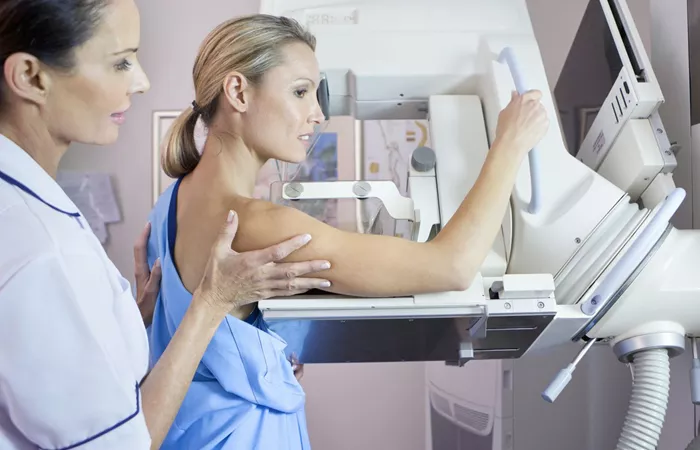
A mobile mammography unit is expanding access to breast cancer screenings in Kentucky, where officials note the state ranks 39th nationally for women receiving appropriate mammograms.
UnitedHealthcare leaders say that distance to care and intimidation at medical facilities are significant barriers to screening, particularly for underserved populations. The mobile unit operates with the feel of a regular clinician’s office inside, featuring comfortable waiting areas, and it offers free screenings regardless of insurance coverage.
Organizers emphasize that early detection can be life-saving. “It’s so important to catch it early,” said Krista Hensel, CEO of UnitedHealthcare Community Plan of Kentucky. “Something may be growing inside of you, but the way to tell is that mammography. Not getting the mammography doesn’t stop disease progression, and what clinicians will tell you time and time again is that early diagnosis and early treatment really do improve your outcomes in the long term.”
Clinical guidance remains consistent: routine breast cancer screenings are recommended starting at age 40, with personalized decision-making discussed between patients and their healthcare providers. The mobile unit’s schedule includes an on-site visit at Bluegrass Community Health Center on Southland Drive, operating from 9 a.m. to 4 p.m. The initiative aims to reduce barriers and promote adherence to recommended screening timelines, potentially improving detection rates in communities that face access challenges.
Key implications of this program include greater convenience, reduced logistical hurdles, and the potential for higher screening uptake among women who might otherwise forego testing due to cost or travel time. By offering screenings without regard to insurance status, the unit aligns with broader public health goals of increasing early detection and improving long-term breast cancer outcomes.
Health officials acknowledge that while screening is not a substitute for comprehensive risk assessment or clinical evaluation, it remains a cornerstone of early intervention. The importance of public awareness campaigns accompanying access initiatives is underscored to ensure women understand when and why to pursue screening, how to prepare for the appointment, and what to expect during the process.
Overall, the mobile mammography initiative represents a pragmatic step toward narrowing disparities in breast cancer screening. If successful, it could serve as a model for expanding similar programs in other states, helping to move the needle on national screening rates and, ultimately, on mortality related to breast cancer.
Related topics
