
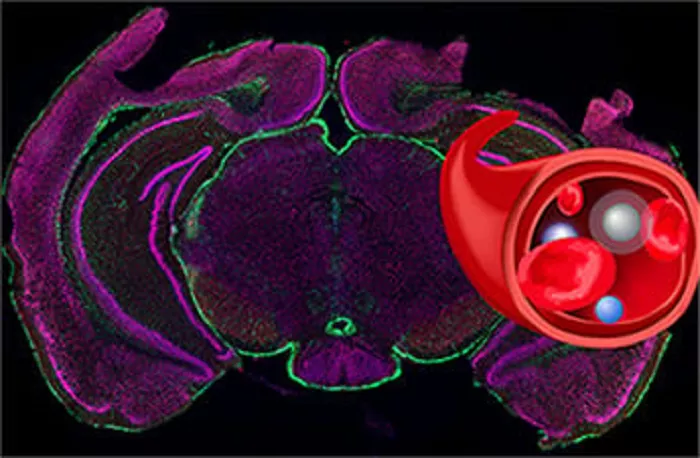
A groundbreaking review published in Journal of Nanobiotechnology on October 29, 2025, highlights the transformative potential of theranostic nanomaterials in managing traumatic brain injury (TBI).
Led by Professor Yun Hak Kim from Pusan National University, the research synthesizes recent advances in engineered nanoparticles capable of simultaneously diagnosing and treating brain trauma. These multifunctional platforms address key limitations of conventional TBI management, including poor detection sensitivity and inefficient drug delivery, offering new hope for millions affected by lasting disability from brain injuries annually.
Technology Innovation and Mechanism of Action
Theranostic nanomaterials operate through a dual mechanism:
Targeted therapy: Transport neuroprotective or anti-inflammatory drugs across the blood-brain barrier to injury sites
Real-time monitoring: Function as biosensors detecting pH changes, oxidative stress, and enzyme activity in damaged brain tissue
These smart materials can be engineered to respond to biological cues abundant in traumatized brain regions, enabling precise intervention while monitoring treatment response.
Key Nanomaterial Platforms and Applications
The review details several promising nanotechnologies:
Lipid nanoparticles (LNPs): Deliver neuroprotective molecules to damaged tissues
Carbon dot nanozymes: Function as artificial enzymes neutralizing harmful reactive molecules
Peptide-based and biomarker-responsive nanosensors: Enable real-time diagnosis and monitoring of TBI progression
Polymer-based and fibrinogen-targeting systems: Enhance site-specific drug delivery
Notably, PEGylated polystyrene, porous silicon, and dendritic nanoparticles have all demonstrated enhanced neuroprotection and targeted drug delivery in TBI models.
Integration with Advanced Technologies
Recent progress integrates these nanomaterials with artificial intelligence and bioengineering to create adaptive therapeutic systems.
“Combining nanotechnology with AI allows for intelligent systems that can adjust treatment based on real-time physiological feedback,” explained Professor Kim. This convergence enables personalized intervention strategies responsive to individual patient recovery patterns.
Safety Considerations and Clinical Translation
“Safety and biocompatibility remain central challenges before clinical adoption,” cautioned Professor Kim. “Rational design of nanomaterials that safely degrade in response to pH or enzymatic changes helps mitigate chronic accumulation risks.”
The review emphasizes the importance of developing biodegradable formulations to ensure long-term safety while maintaining therapeutic efficacy.
Future Directions and Clinical Impact
These advances may revolutionize neurotrauma care by enabling physicians to diagnose TBI faster, deliver treatments more safely, and monitor recovery continuously.
“Our research paves the way for customized, minimally invasive therapies with continuous monitoring capability, improving recovery outcomes and quality of life for TBI patients,” Professor Kim concluded. By merging diagnosis and treatment into integrated intelligent systems, theranostic nanomaterials may usher in a new era of personalized brain medicine.
Related topics
