
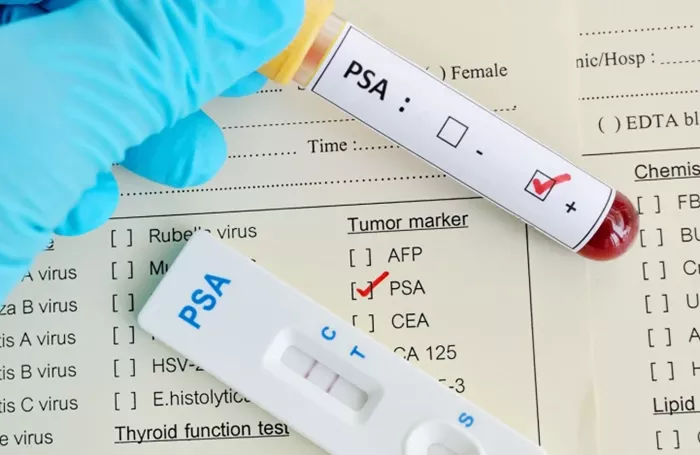
A long-term European analysis suggests PSA-based population screening reduces deaths from prostate cancer more than previously thought. The study followed more than 162,000 men aged 55 to 69 over 23 years and found 12 diagnoses and one death prevented for every 456 men screened.
Key findings and implications
For every death prevented by screening, about 18,000 men would be diagnosed and treated.
The results indicate more lives saved through PSA screening than earlier reports suggested, though the overall all-cause mortality showed no clear difference between screened and unscreened groups.
Researchers argue future screening strategies should use risk-based approaches to minimize overdiagnosis while preserving mortality benefits.
Context and responses
The findings appear as the National Screening Committee (NSC) weighs updated prostate cancer screening guidance. Some NSC members are considering more targeted options, but recent reporting indicated concerns that harms may still outweigh modest benefits.
The TRANSFORM trial, launched last year, should illuminate which screening approaches work best, including genetic testing, fast MRI, and PSA testing. Officials anticipate results in coming years.
Expert commentary
Professor Derek Rosario, a urological surgeon and NSC clinical advisor, said introducing PSA screening in the UK two decades ago might have reduced deaths from about 12,000 per year to roughly 10,400. He emphasized that while the study shows a clear benefit, the overall death rate from any cause remained similar between groups.
Rosario also cautioned that reducing unnecessary treatment remains a major challenge. He noted newer imaging and diagnostic tools, such as MRI, could lessen harms, but outcome data are not yet sufficient to prove they can maintain mortality benefits.
Veeru Kasivisvanathan of University College London said the updated figures improve the perceived risk-benefit balance and align with benefits seen in other cancer screening programs. He also highlighted ongoing concerns about overdiagnosis and the potential for treatment-related side effects, including erectile dysfunction.
Nick James from The Institute of Cancer Research praised the study for strengthening the evidence base in favor of PSA-based screening. He argued that newer technologies, when used appropriately, can mitigate well-known harms such as overdiagnosis and overtreatment, and that modern surgical and radiotherapy techniques reduce treatment-related side effects.
Policy considerations
The NSC has faced pressure to revisit PSA testing policy, accelerated by high-profile cases like Sir Chris Hoy’s terminal cancer diagnosis. Policymakers are weighing whether a broader screening program is warranted given the balance of benefits and harms.
Implementation questions remain, including the resources required to run an organized program and how to tailor screening to those most likely to benefit without causing unnecessary harm.
In summary, the study strengthens the argument that PSA screening can save lives, though it does not fully resolve the debate over overdiagnosis and overtreatment. Ongoing trials and evolving technologies are expected to provide clearer guidance in the years ahead.
Related topics
