
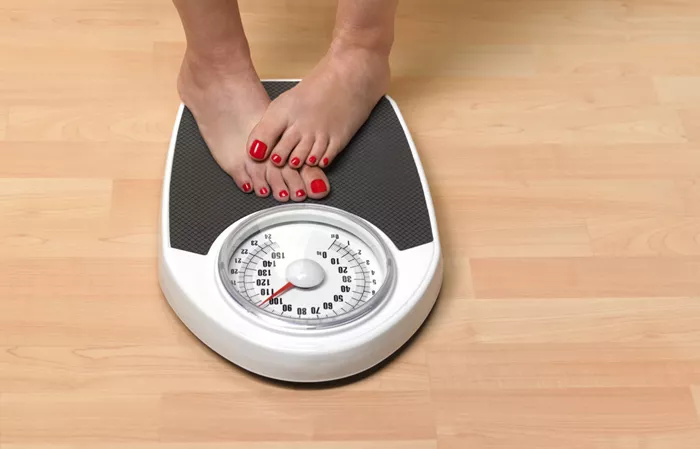
Weight gain after menopause can influence health in important ways. For many women, the changes in body fat and hormones around this life stage translate into a higher risk of breast cancer.
Researchers say that losing as little as 5-10 percent of body weight may lower that risk and improve overall well-being. The link between menopause weight gain and breast cancer involves hormones, fat tissue, and inflammation that together create a more cancer-prone environment.
Why fat matters after menopause
As women reach menopause, the ovaries reduce estrogen production. The body often compensates by producing estrogen in fat tissue through an enzyme called aromatase. When a person has more fat, especially around the belly, the body produces more estrogen. This extra estrogen can stimulate breast tissue, increasing the chance of abnormal cell growth and, over time, cancer.
In addition to hormonal shifts, menopause typically slows metabolism. That makes weight gain more common, and the abdominal area tends to accumulate fat more readily. This fat is metabolically active and releases inflammatory substances that can support a cancer-promoting environment in the body.
The hormone–inflammation cycle
Postmenopausal obesity can create a cycle of inflammation and hormonal imbalance. Fat tissue acts like an endocrine organ, releasing hormones and inflammatory markers. These substances can disrupt insulin sensitivity and may encourage tumor growth. Higher estrogen levels, especially from visceral fat, are associated with estrogen receptor–positive breast cancer, a common form diagnosed in older women.
Evidence from research
Several studies have linked higher body weight in postmenopausal women to an increased risk of ER-positive breast cancer. For example, some findings suggest that overweight women after menopause are notably more likely to develop this cancer type than their leaner peers. The combination of excess estrogen and inflammatory signals appears to play a key role in promoting cancerous changes in breast tissue.
Why abdominal fat is a bigger concern
Not all fat carries the same risk. Visceral fat, the kind that surrounds internal organs, is especially dangerous. It secretes inflammatory substances and can worsen insulin resistance, contributing to metabolic problems that raise cancer risk. A healthy waistline, in addition to an overall healthy weight, is important for reducing postmenopausal breast cancer risk.
Insulin, growth signals, and cancer progression
Obesity can lead to insulin resistance, which keeps insulin levels higher in the blood. High insulin and insulin-like growth factor 1 (IGF-1) act as growth promoters for many cancer cells. When this hormonal backdrop combines with excess estrogen, it can accelerate the growth of breast tumors.
Practical steps to reduce risk
Aim for gradual, sustainable weight loss through a balanced diet and regular physical activity.
Focus on reducing visceral fat by including aerobic exercise and strength training in your routine.
Monitor insulin sensitivity through medical guidance, and manage blood sugar with dietary choices.
Seek guidance from a healthcare professional about personalized risk reduction and screening.
A note on screening
Regular breast cancer screening remains important for all women, especially those with higher risk factors. Talk with your clinician about an appropriate plan that fits your age, health status, and family history.
Related topics
