
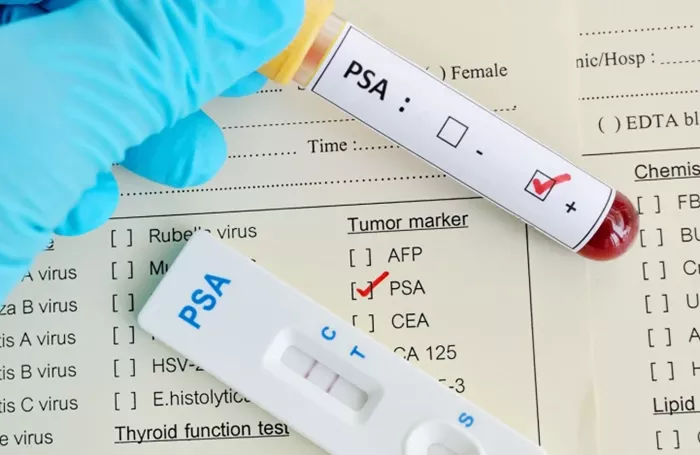
Prostate-related evaluation is increasingly common among aging men, and screening policies must navigate the delicate balance between early detection and potential harm. The use of prostate-specific antigen (PSA) testing allows for earlier identification of cancer, but its benefits come with risks such as false-positive results, unnecessary biopsies, and treatment-related side effects. Overdiagnosis of indolent tumors can cause anxiety and lead to interventions that may not improve survival outcomes.
With rising life expectancy, men face longer periods at risk of developing prostate cancer, contributing to the projected global increase in mortality from the disease. Therefore, health systems must weigh mortality reduction against impacts on quality of life and healthcare resources. The study emphasizes the importance of refining risk-based screening strategies to maintain benefits while minimizing unnecessary testing and treatment.
Design of the ERSPC Randomized Screening Trial
The European Randomized Study of Screening for Prostate Cancer (ERSPC) involved a multicenter randomized trial across eight European countries. The study focused on a core cohort of men aged 55–69 years at randomization. Participants were assigned either to undergo repeated PSA screening or to a control group without screening invitations.
Standardized Hybritech assays were used for PSA measurement. Most centers conducted screening every four years, though Sweden and France used two-year intervals, and Belgium every seven years. A common PSA biopsy threshold was 3.0 ng/mL. Some centers also employed additional tests such as digital rectal examination or the free-to-total PSA ratio when results were borderline.
Primary and Secondary Outcomes in the ERSPC
The primary outcome measured was prostate cancer–specific mortality, reviewed by blinded local committees using a standardized adjudication process. Discrepancies were resolved by an international committee. Secondary outcomes included cancer incidence by European Association of Urology (EAU) risk categories and rates of advanced disease, defined by lymph-node or bone metastases or a PSA level exceeding 100 ng/mL.
Statistical Methods and Sensitivity Analyses
Analyses adhered to the intention-to-screen principle. Poisson regression was used to estimate rate ratios, while competing-risk methods accounted for deaths from non-cancer causes. Researchers calculated absolute risk differences, the number needed to invite (NNI), and the number needed to diagnose (NND) using bootstrap resampling. Sensitivity analyses explored center-level differences and the effects of screening non-attendance.
Data on tumor-node-metastasis (TNM) staging, Gleason scoring, and PSA levels captured clinical severity. Notably, French centers were excluded from the primary analysis because fewer than half of eligible men participated and biopsy compliance was low.
Mortality Reduction and Screening Efficacy at 23 Years
After a median follow-up of 23 years, the prostate cancer mortality rate was 1.4% among men in the screening group compared to 1.6% in the control group—a 13% relative reduction (rate ratio, 0.87; 95% CI, 0.80–0.95) and an absolute reduction of 0.22%. In practical terms, inviting 456 men for screening prevented one prostate cancer death, while diagnosing 12 men prevented one death.
Mortality from other causes remained similar between groups (approximately 49%), suggesting that the net benefit of screening is conditioned by individual life expectancy.
Screening Shifts Cancer Detection Toward Early-Stage Disease
Screened men exhibited higher prostate cancer incidence (rate ratio, 1.30), largely reflecting the increased detection of low-risk disease. The rate ratios for low-, intermediate-, high-, and advanced-risk disease were 2.14, 1.10, 0.95, and 0.66, respectively. This demonstrates that PSA screening effectively shifts detection toward earlier stages and reduces the occurrence of advanced presentations.
Screening Compliance and Diagnostic Yield
Screening participation was high: 83% of invited men attended at least one round. About 28% had at least one positive PSA test, and 89% of these underwent biopsy. However, only roughly 24% of biopsies confirmed cancer. These figures illustrate why PSA screening leads to more diagnostic procedures, not all of which improve outcomes.
Adjusting analyses for non-attendance revealed a slightly larger mortality benefit (rate ratio, 0.84; 95% CI, 0.76–0.92), indicating that dilution effects from non-participation may underestimate the true efficacy of screening.
Consistency Across Centers and Sensitivity Findings
When French centers with shorter follow-up (median, 17 years) were included, results remained consistent (rate ratio, 0.84; 95% CI, 0.76–0.93). Variability among centers was attributed mainly to differences in screening intervals and biopsy adherence.
Durability of Mortality Benefit Over Time
Among participants who reached the upper protocol age limit without a prostate cancer diagnosis (median age 72 years), the survival advantage persisted after screening ended but gradually diminished. Approximately six years after cessation, the 95% confidence interval for the hazard ratio crossed one, suggesting that the mortality benefit wanes in older populations facing increased competing causes of death.
Comparison with U.S. and U.K. Screening Trials
When contextualized with other major trials, such as the U.S. PLCO and U.K. CAP studies, the ERSPC findings highlight the importance of study design and implementation fidelity.
In the PLCO trial, widespread opportunistic PSA testing in the control arm led to contamination that masked potential benefits. Modeling studies suggest that without contamination, the PLCO trial might have shown a 27–32% mortality reduction, aligning with ERSPC findings.
The U.K. CAP trial, in contrast, used a single invitation for PSA testing, achieving only 40% participation and showing modest effects—an 8% relative and 0.09% absolute mortality reduction at 15 years. Collectively, these comparisons demonstrate that repeated, structured, and well-participated PSA screening is essential to translate early detection into measurable survival benefits.
Improving the Harm-Benefit Ratio Over Time
Over the 23-year period, the absolute mortality reduction improved from 0.16% at 16 years to 0.22%, while excess incidence fell from 31 to 27 per 1,000 men. This trend indicates that the balance between benefits and harms of screening improved over time, as overtreatment declined and survival advantages became clearer.
Implications for Risk-Based and Individualized Screening
The findings underscore that long-term, structured PSA screening reduces prostate cancer mortality but also increases the number of tests, biopsies, and diagnoses, many for low-risk disease. Thus, shared decision-making remains crucial, integrating individual risk profiles, baseline PSA values, life expectancy, and patient preferences.
Emerging tools such as risk calculators and magnetic resonance imaging (MRI)–guided pathways can refine the diagnostic process, reducing unnecessary biopsies. Meanwhile, active surveillance remains an effective strategy for managing low-risk cancers while minimizing overtreatment.
Recommendations for Optimizing Prostate Screening Policy
Future screening programs should implement risk-adapted intervals and consider stopping rules for men with very low midlife PSA levels or limited life expectancy. The study reinforces that men with low PSA at age 60 have minimal lifetime risk and can safely reduce screening frequency or discontinue altogether.
By focusing on targeted screening, healthcare systems can preserve mortality benefits while mitigating overdiagnosis and overtreatment. Such an approach aligns prostate cancer screening more closely with patient-centered care and the efficient use of health resources.
Summary
The 23-year ERSPC results provide definitive evidence that PSA screening meaningfully reduces prostate cancer mortality, especially when applied consistently and with strong participant engagement. As screening strategies evolve, integrating personalized, evidence-based protocols offers the best path forward for improving outcomes and preserving quality of life.
Related topics
