
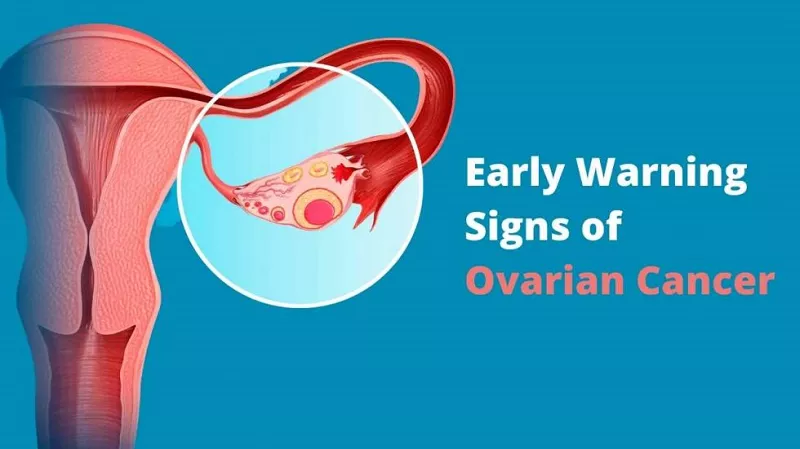
Ovarian cancer represents a particularly challenging malignancy with approximately 70% of cases diagnosed at stage III or IV. This delayed detection stems from non-specific symptom presentation and current screening limitations.
Common symptoms include abdominal discomfort, urinary urgency, early satiety, and bloating, which frequently get attributed to gastrointestinal or benign gynecological conditions. Risk factors encompass genetic markers like BRCA mutations, endometriosis, and reproductive history, though these don’t consistently prompt early diagnostic intervention.
Current screening methods including transvaginal ultrasound and CA-125 blood tests demonstrate limited efficacy in mortality reduction, with false positives potentially leading to unnecessary surgical procedures.
Cervical Cancer Disparities and Prevention
Cervical cancer screening represents a public health success story, yet significant disparities persist in late-stage diagnosis rates. Approximately 45% of cases receive advanced-stage diagnoses, particularly affecting older patients and racial/ethnic minority groups.
Primary barriers include inadequate screening access, insurance limitations, and cultural healthcare barriers. Symptom presentation involves abnormal bleeding, watery discharge, and pelvic pain, though these typically manifest at later stages.
HPV vaccination and regular screening according to guidelines substantially reduce advanced disease incidence. The Papanicolaou test and HPV testing provide effective early detection when implemented consistently.
Inflammatory Breast Cancer Characteristics
Inflammatory breast cancer (IBC) presents unique diagnostic challenges due to its distinct clinical presentation lacking typical palpable masses. Instead, patients demonstrate skin changes including erythema, edema, and peau d’orange appearance with rapid progression averaging weeks rather than months.
Nearly one-third of cases present with distant metastases at diagnosis, contributing to five-year survival rates around 40%. Mammographic screening often misses IBC manifestations, making clinical recognition crucial for timely diagnosis. Risk factors include obesity, alcohol consumption, and prolonged estrogen exposure, though these don’t substantially differ from other breast cancer subtypes.
Pancreatic Cancer Diagnostic Limitations
Pancreatic cancer maintains notoriously poor survival outcomes with overall five-year survival near 13%, largely due to advanced stage at diagnosis.
Anatomical positioning deep in the retroperitoneum combined with non-specific symptom presentation contributes to diagnostic delays. Common symptoms like jaundice, abdominal pain, and weight loss typically emerge only after local advancement or metastasis occurs.
High-risk populations including those with genetic syndromes or familial patterns may benefit from screening with MRI and endoscopic ultrasound, though average-risk individuals lack effective screening options.
Lung Cancer Screening Advancements
Lung cancer demonstrates improved early detection capabilities through implemented screening programs, yet remains frequently diagnosed at advanced stages.
Low-dose CT screening for high-risk individuals (smokers with 20-pack-year history) represents the only currently recommended screening modality. Symptom presentation includes cough, hemoptysis, and chest pain, though these often indicate advanced disease.
Screening eligibility criteria focus on smoking history and age, with demonstrated mortality reduction in compliant populations. Ongoing research explores expanded screening criteria and biomarker development to improve early detection rates.
Emerging Diagnostic Technologies and Future Directions
Advanced imaging techniques including contrast-enhanced MRI and PET-CT scans show promise for earlier cancer detection. Liquid biopsy technology analyzing circulating tumor DNA offers potential for non-invasive screening and monitoring. Artificial intelligence applications in radiology and pathology enhance pattern recognition and early abnormality detection.
Multi-cancer early detection tests examining DNA methylation patterns represent emerging approaches that may transform cancer screening paradigms. These technological advances, combined with improved risk stratification models, offer hope for earlier diagnosis of traditionally hard-to-detect cancers.
Related topics
