
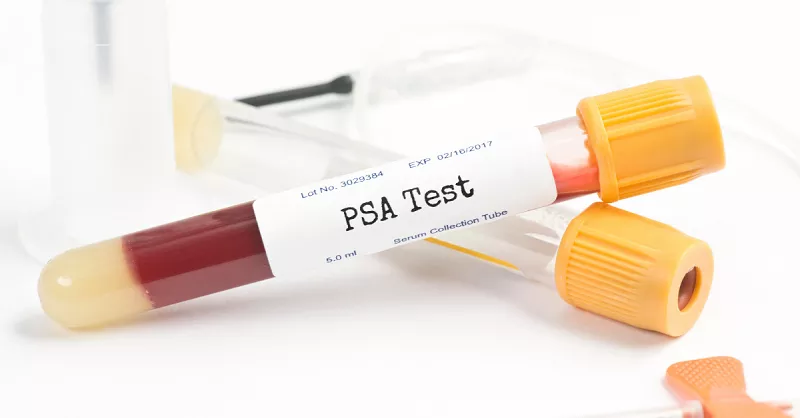
Postoperative PSA surveillance represents a critical component of prostate cancer management following surgical intervention, providing essential information about treatment effectiveness and potential disease recurrence.
This monitoring process involves regular blood tests to detect biochemical recurrence (rising PSA levels) and assess treatment success, helping guide further management decisions when necessary.
Understanding the purpose, frequency, and interpretation of these tests helps patients navigate the postoperative period with greater confidence and reduced anxiety through clear expectations and appropriate follow-up care.
Evaluating the Purpose and Importance of Postoperative Testing
PSA monitoring after prostatectomy serves two primary objectives: confirming treatment completeness by verifying prostate tissue removal and detecting potential recurrence through early identification of rising PSA levels that may indicate residual or recurrent disease.
Since the prostate gland produces virtually all PSA in the body, successful complete removal should result in undetectable or extremely low PSA levels (<0.1 ng/mL in most cases), providing a baseline for future comparison.
Measurable PSA following surgery may indicate residual prostate tissue or recurrent cancer, making regular monitoring essential for early detection and intervention when recurrence occurs, potentially allowing for curative salvage treatment in appropriate cases.
Establishing Appropriate Testing Timing and Frequency
The initial postoperative PSA test typically occurs 1-3 months after surgery, allowing time for preoperative PSA to clear from the bloodstream and establishing a reliable baseline for future monitoring.
Subsequent testing frequency depends on individual risk factors including pathological stage, Gleason score, and surgical margin status, with most patients undergoing testing every 6-12 months for approximately five years when risk is lower.
Higher-risk patients (Gleason ≥8, pT3 disease, positive margins) may require quarterly testing for the first 2-3 years, while those with consistently undetectable levels may transition to annual monitoring after several years of stability, though guidelines vary based on specific risk profiles and institutional protocols.
Interpreting PSA Results and Understanding Clinical Significance
Post-prostatectomy PSA levels below 0.2 ng/mL generally indicate successful surgery with low recurrence risk, while persistent or rising levels above this threshold suggest possible recurrence requiring further evaluation.
The rate of PSA increase provides additional prognostic information, with rapid doubling times (less than 3-6 months) suggesting more aggressive disease behavior and potentially requiring earlier intervention.
However, single elevated results require confirmation through repeat testing before determining clinical significance, as laboratory variations, benign conditions, or temporary factors may cause isolated elevations that don’t represent true recurrence, necessitating careful interpretation in clinical context.
Considering Additional Diagnostic Approaches and Evaluation Methods
When PSA levels suggest recurrence, additional evaluation helps determine appropriate management by characterizing the nature and location of recurrent disease to guide targeted treatment.
PSA velocity and doubling time calculations provide valuable prognostic information about disease aggressiveness, helping distinguish between slow-progressing cases that may allow observation and rapidly progressing disease requiring prompt intervention.
Advanced imaging techniques including PSMA-PET scans with novel radiotracers help localize recurrent disease when PSA levels reach detectable ranges (typically >0.5-1.0 ng/mL), guiding subsequent treatment decisions regarding salvage radiation, systemic therapy, or continued monitoring based on disease extent and characteristics.
Exploring Management Options for Recurrent Disease
Treatment approaches for biochemical recurrence depend on multiple factors including initial cancer characteristics, PSA kinetics, imaging findings, and patient preferences regarding treatment intensity and potential side effects.
Options range from active surveillance for slow-rising PSA (doubling time >12 months) with low risk features to salvage radiation therapy for localized recurrence when no distant metastasis is detected on imaging.
Hormonal therapy may be appropriate for selected patients, particularly those with rapid PSA doubling times (<6-9 months), suspected metastatic disease, or high-risk features that suggest systemic progression, though timing and duration require careful consideration of benefits versus quality of life impacts.
Implementing Comprehensive Follow-up and Support Strategies
Regular follow-up extends beyond PSA testing to include physical examinations, symptom assessment, and supportive care addressing both physical and emotional aspects of cancer survivorship.
Open communication with healthcare providers ensures appropriate anxiety management about recurrence risk and timely intervention when needed, with clear discussion of results and implications reducing uncertainty and distress.
Support groups and counseling services help address the psychological impact of cancer surveillance, providing coping strategies and peer support that improve quality of life during the postoperative period and beyond, recognizing that ongoing monitoring represents a long-term aspect of prostate cancer survivorship care.
Related topics
