
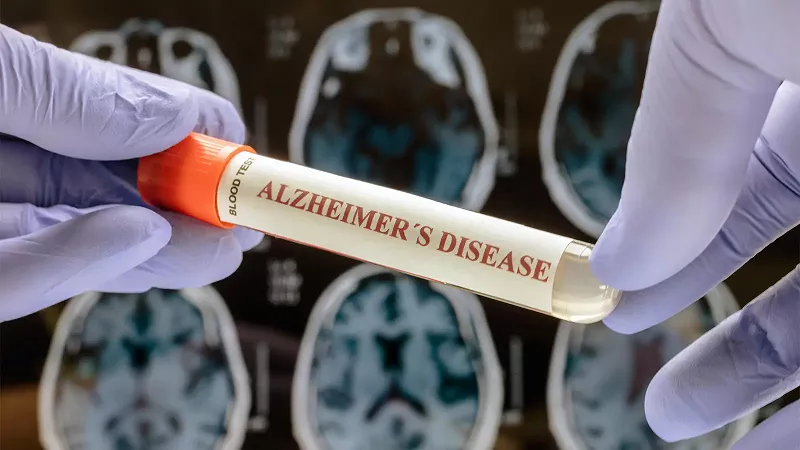
Alzheimer’s disease represents a progressive neurodegenerative disorder characterized by cognitive decline, behavioral changes, and functional impairment.
As the most common form of dementia affecting older adults, this condition involves complex brain changes that gradually impair memory, thinking skills, and eventually basic bodily functions. The disease typically progresses through distinct stages, each presenting unique challenges and symptoms.
Examining Neuropathological Changes and Brain Impact
Alzheimer’s disease fundamentally alters brain structure and function through two primary pathological processes: amyloid plaque accumulation between neurons and neurofibrillary tangles within nerve cells. These changes disrupt neural communication and eventually cause cell death.
Unlike normal aging, which may involve minor memory lapses, Alzheimer’s produces significant cognitive impairment affecting daily functioning. Brain atrophy particularly affects regions responsible for memory and executive functions, with neuronal loss becoming widespread in advanced stages.
Identifying Early Stage Symptoms and Warning Signs
Initial symptoms often involve subtle memory difficulties, particularly with recent events and information. Early signs include reduced motivation, decreased social engagement, language challenges, mild coordination issues, and trouble completing familiar tasks.
These symptoms typically emerge gradually over 2-4 years, differentiating from normal age-related changes through their progressive nature and impact on daily activities. Many conditions mimic early Alzheimer’s, including thyroid disorders, medication interactions, Parkinson’s disease, stress, and depression, requiring thorough differential diagnosis.
Recognizing Moderate Stage Progression and Symptoms
The moderate stage, lasting 2-10 years, demonstrates worsening memory loss and increased functional impairment. Patients experience significant difficulty with personal history recall, word finding problems, planning challenges, and spatial disorientation.
Behavioral changes become more pronounced, including irritability, sleep disturbances, wandering, and paranoid ideation. This stage often brings awareness of declining abilities, potentially leading to frustration and depression, requiring increased support and safety measures.
Understanding Advanced Stage Manifestations and Complications
Severe Alzheimer’s typically spans 1-3 years with profound cognitive and physical decline. Patients lose communication abilities, experience swallowing difficulties, and develop incontinence. Physical symptoms include mobility issues, seizures, and increased infection risk.
Complications often arise from impaired mobility, nutritional challenges, and reduced immune function, requiring comprehensive care approaches to maintain comfort and dignity.
Considering Early-Onset Presentation and Unique Aspects
While most cases occur after age 65, approximately 5% develop before 65, classified as early-onset Alzheimer’s. Symptoms mirror later-onset disease but present during peak working years, creating additional social and economic challenges.
Genetic factors play a stronger role in early-onset cases, with specific gene mutations identified in some families. Diagnosis often delays due to unexpected presentation in younger patients.
Implementing Diagnostic Approaches and Assessment Methods
Comprehensive evaluation involves multiple assessment modalities, including cognitive testing, neurological examination, brain imaging, and emerging biomarker tests.
Blood tests detecting amyloid proteins offer promising early detection capabilities, while MRI and PET scans reveal characteristic brain changes. Cerebrospinal fluid analysis provides additional diagnostic information. Combining these approaches enables accurate diagnosis and staging.
Addressing Management Strategies and Treatment Approaches
Current treatment focuses on symptom management and slowing progression. Cholinesterase inhibitors and NMDA receptor antagonists provide modest symptomatic benefits.
Non-pharmacological interventions include cognitive stimulation, physical activity, and environmental modifications. Comprehensive care addresses safety, nutrition, and comorbid conditions while supporting caregivers through education and resources.
Supporting Caregivers and Family Education
Alzheimer’s care requires significant support for caregivers facing emotional, physical, and financial challenges. Education about disease progression, behavior management techniques, and available community resources helps families provide effective care.
Respite services, support groups, and counseling services assist caregivers in maintaining their own well-being while supporting their loved ones through the disease journey.
Exploring Research Advances and Future Directions
Ongoing research continues to improve understanding of Alzheimer’s mechanisms and potential treatments. Investigations focus on amyloid and tau pathology, neuroinflammation, and genetic factors.
Clinical trials explore new pharmacological approaches, lifestyle interventions, and early detection methods. While no cure currently exists, scientific advances offer hope for future therapies that may slow or prevent disease progression.
Related topics
