
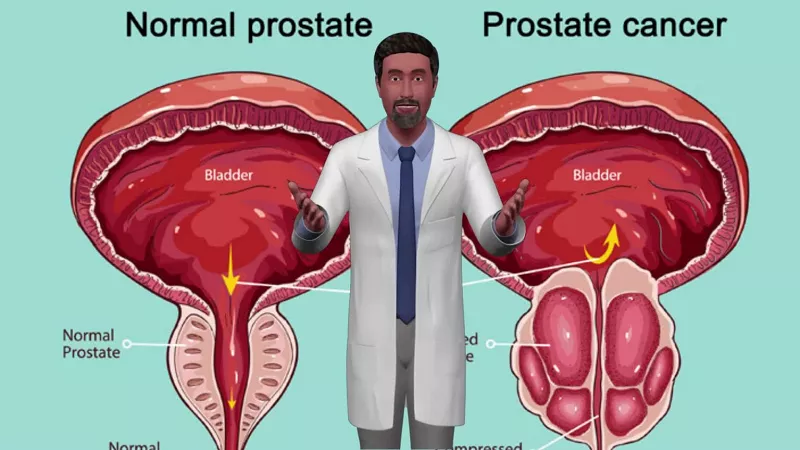
Erectile dysfunction medications demonstrate surprising versatility in addressing urological conditions beyond their primary purpose, offering significant clinical benefits for men experiencing both sexual and urinary concerns. Recent research reveals these pharmaceuticals can significantly alleviate symptoms associated with benign prostatic hyperplasia (BPH)
providing a therapeutic crossover that represents an important advancement in managing age-related conditions that frequently coexist in middle-aged and older male populations. This dual-action approach allows for comprehensive management of often interrelated urological issues through targeted pharmacological mechanisms that address multiple symptoms simultaneously.
Examining BPH Symptoms and Medication Mechanisms
Benign prostatic hyperplasia manifests through various urinary symptoms that substantially impact quality of life, including difficulty initiating urination, increased frequency (particularly nocturia), weak stream, and straining during voiding that disrupt daily activities and sleep patterns.
ED medications, particularly phosphodiesterase-5 inhibitors, work by relaxing smooth muscle tissue in the bladder neck and prostate through nitric oxide-mediated pathways, potentially reducing urethral resistance and improving urinary flow rates without significantly affecting prostate size.
Beyond vascular effects in penile tissues, these drugs modulate local nitric oxide pathways that influence bladder function and urinary symptoms through smooth muscle relaxation and improved blood flow to pelvic organs, addressing both erectile function and urinary obstruction through related physiological mechanisms.
Evaluating Clinical Evidence and FDA Approvals
Comprehensive clinical studies demonstrate significant improvement in BPH symptoms with certain ED medications, with tadalafil (Cialis) holding distinction as the only FDA-approved ED medication for BPH treatment based on extensive research and safety data.
Research indicates consistent symptom relief across international prostate symptom score metrics, with some studies suggesting enhanced efficacy when combined with alpha-blockers like tamsulosin for synergistic effects on urinary flow and obstruction.
The 5mg daily dosage of tadalafil specifically targets BPH management while preserving erectile function, providing comprehensive urological benefits through continuous low-dose administration that maintains therapeutic levels for both conditions without requiring separate dosing schedules.
Considering Combination Therapies and Synergistic Effects
Emerging evidence supports strategic combination approaches for optimal BPH management, with concurrent administration of PDE5 inhibitors with alpha-adrenergic blockers potentially producing superior outcomes compared to monotherapy regimens for moderate to severe symptoms.
This synergistic effect arises from complementary mechanisms—PDE5 inhibitors address smooth muscle relaxation through nitric oxide pathways while alpha-blockers reduce sympathetic tone in the prostate and bladder neck, together providing more comprehensive relief of obstructive and irritative symptoms.
However, combination therapy requires careful medical supervision due to potential additive hypotensive effects and other adverse interactions that may require dose adjustments or alternative approaches based on individual tolerance and response.
Identifying Appropriate Candidates and Contraindications
Patient selection remains crucial for successful BPH management with ED medications, with ideal candidates typically presenting with moderate BPH symptoms alongside erectile concerns that would benefit from dual-action treatment approaches.
Absolute contraindications include concurrent nitrate therapy for cardiac conditions due to potentially severe hypotension risks from synergistic vasodilation that could compromise cardiovascular function. Additional precautions apply to patients with cardiovascular instability, hepatic impairment, or severe renal dysfunction that may affect drug metabolism and increase adverse event risks, requiring thorough evaluation before initiation.
Medical evaluation should precede treatment initiation to assess individual risk profiles and therapeutic appropriateness, including cardiovascular assessment and review of all medications to identify potential interactions or contraindications.
Implementing Comprehensive Treatment Approaches
A holistic management strategy extends beyond pharmaceutical interventions to include lifestyle modifications that complement medication effects and address underlying contributing factors to both BPH and erectile function.
Weight management through diet and exercise reduces abdominal pressure on the bladder and improves cardiovascular health, while dietary adjustments including reduced fluid intake before bedtime and limited caffeine/alcohol consumption may decrease urinary frequency and irritation. Behavioral techniques like timed voiding and double voiding may further alleviate urinary symptoms by promoting complete bladder emptying and reducing residual volume that contributes to frequency and urgency.
Regular follow-up evaluations ensure appropriate treatment adjustment based on symptom progression and medication tolerance while monitoring for potential adverse effects, with ongoing assessment of both urinary and sexual function to optimize outcomes and maintain quality of life improvements.
Related topics
