
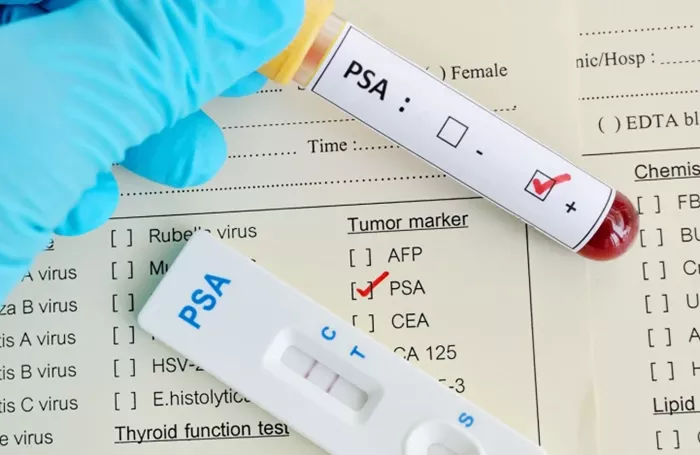
Prostate-specific antigen (PSA) is a protein produced by prostate gland cells. A PSA test is a blood assay designed to measure the concentration of PSA in a man’s bloodstream. Elevated PSA levels may signal prostate inflammation, benign prostatic hyperplasia (BPH), or prostate cancer.
Screening with a PSA test can detect cancer years before symptoms arise. In fact, an estimated 37 % of men aged 50 and older report having had a PSA test within the past year. Early detection via PSA testing has the potential to identify prostate cancer up to seven years before clinical symptoms emerge.
However, a number of external factors—such as certain medications, infections, physical activity, and recent procedures—can distort PSA readings, yielding falsely high or low results. To maximize accuracy, follow these nine essential dos and don’ts before the test.
1. Don’t Fast Before the Test
Unlike some blood tests (e.g. glucose panels), PSA tests do not require fasting. According to clinical guidelines and trusted sources, eating or drinking beforehand will not affect PSA levels.
2. Do Disclose All Medications
Certain drugs can significantly alter PSA readings. For example, 5-alpha reductase inhibitors—such as finasteride and dutasteride, commonly prescribed for BPH and male-pattern baldness—may reduce PSA by as much as 50 %. This can mask an elevated PSA and give a false sense of security.
Conversely, testosterone supplementation or over-the-counter libido enhancers may increase PSA levels through prostate stimulation. Always inform your urologist of all medications and supplements.
3. Don’t Ride a Bicycle or Motorcycle Before the Test
Vigorous physical activity that puts direct pressure on the prostate—especially cycling, motorcycling, or jet skiing—can cause microtrauma to prostate tissue and temporarily raise PSA levels. To avoid a false-positive result, abstain from these activities for about 48 hours before the test.
4. Do Account for COVID-19 or Vaccination
Active SARS-CoV-2 infection has been associated with a temporary elevation in PSA, even in men who previously had prostate removal, complicating surveillance.
Research also suggests that both COVID infection and vaccination may cause slight PSA increases, though their clinical relevance is not fully established.
If you have recent or current COVID symptoms, wait and retest later (e.g. two weeks post-infection) to avoid misinterpretation.
5. Do Refrain from Sexual Activity Beforehand
Ejaculation causes the prostate to contract, releasing PSA into the bloodstream. Avoid sexual intercourse or masturbation for at least 48 hours before the test. In most cases, PSA returns to baseline within two days.
6. Do Wait After Urologic Procedures
Any procedure involving instrumentation near the prostate—such as prostate biopsy, cystoscopy, or catheterization—can damage prostatic tissue and transiently raise PSA levels. It’s prudent to wait at least six weeks after such interventions before scheduling a PSA test.
7. Do Time Around a Digital Rectal Exam (DRE)
It remains controversial whether a digital rectal exam (DRE) significantly affects PSA. Some studies show small elevation, others none. In practice, many clinicians draw the blood sample before doing the DRE to avoid any possible interference.
8. Do Delay if You’ve Had a Catheter
A urinary catheter can irritate or damage prostate tissue. If you’ve had one recently—used for urinary retention or after surgery—defer the PSA test until six weeks after catheter removal.
9. Do Treat Urinary Tract Infections (UTIs)
An active urinary tract infection or prostatitis can inflame the prostate and raise PSA levels. If infection is suspected, treat it first (often with antibiotics), and wait for resolution before measuring PSA.
Conclusion
The PSA test is a valuable screening and monitoring tool in prostate health. But its accuracy is vulnerable to many confounding variables—medications, procedures, infection, and physical stimulation. By following these nine dos and don’ts, you can reduce the risk of spurious results.
Always consult your urologist or clinician before the test. They will tailor preparation instructions to your clinical situation, guiding you on when to pause therapies, reschedule, or interpret borderline results. With thoughtful preparation, a PSA test yields more reliable insight into prostate health.
Related topics
