
British researchers conducted a study on sperm health using NanoSeq, analyzing samples from 81 men aged 24 to 75. The study found that sperm mutations increase with age and that quality declines notably around age 43. In middle-aged men, the proportion of mutated sperm rose from 3% to 5%, with these mutant sperm appearing to multiply more quickly than healthy ones.
Professor Matt Hurles, director of the Wellcome Sanger Institute and co-author of the study, explained that some DNA changes not only survive but thrive within the testes. This suggests that fathers who conceive later in life may have a higher risk of passing on harmful mutations to their children.
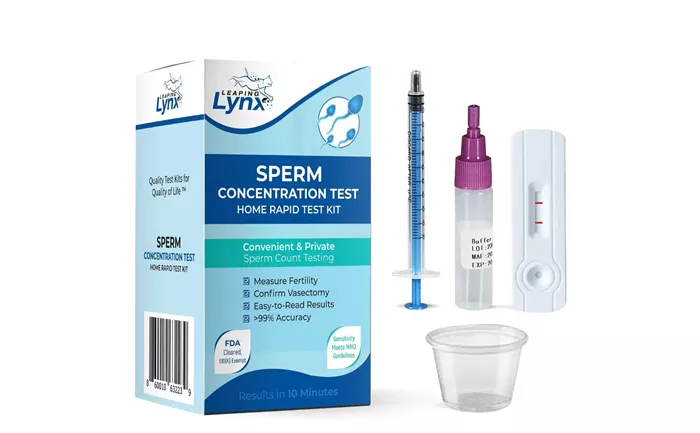
As interest in male fertility grows, many experts emphasize proactive sperm health monitoring. At-home sperm testing kits have gained popularity, offering a baseline read on concentration and motility without a clinical visit.
In parallel, public discourse has highlighted broader trends in male fertility. In April, Health Secretary RFK Jr. noted estimates of a substantial drop in overall sperm counts. This context has fueled consumer interest in at-home testing and sperm health insights.
At-home testing platforms offer results for under $100 and claim high accuracy in clinical validations. These kits generally assess key parameters such as sperm concentration, motility, and other fertility indicators, with some providing a live or real-time video component to track movement patterns. Users can store results privately or share them securely with clinicians, and refills are available to monitor changes over time.
The product highlighted in the current discourse, the YO Home Sperm Test, is frequently cited as a widely validated system. The process typically completes in under 30 minutes, with an app delivering the results to a smartphone. Reported measures include sperm motility, concentration, and an overall fertility score, along with guidance on improving sperm health.
While the test may serve as a useful first step for individuals seeking a convenient baseline, it is not a substitute for comprehensive medical evaluation. Healthcare providers advise integrating home results with professional assessments when making decisions about fertility planning.
Price: $99 for a kit that includes instructions, collection tools, and access to the companion app. Refills are available, and repeated testing can help track changes over time.
Related topics
