
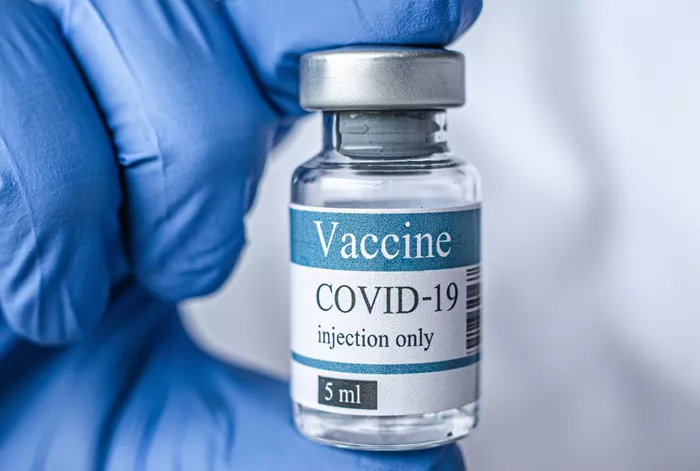
New findings suggest that widely used COVID-19 vaccines may offer an unexpected benefit for certain cancer patients by boosting the immune system’s ability to fight tumors. In a preliminary analysis presented in Nature, individuals with advanced lung or skin cancer who were receiving immunotherapy lived longer when they had received a Pfizer-BioNTech or Moderna vaccine within 100 days of starting treatment.
The research team from MD Anderson Cancer Center and the University of Florida emphasized that the observed benefit does not relate to protection against infection. Instead, the mRNA component powering these vaccines appears to enhance the immune system’s responsiveness to cancer therapy. Lead author Dr. Adam Grippin described the effect as “a siren to activate immune cells throughout the body,” with the aim of sensitizing immune-resistant tumors to checkpoint inhibitors.
Context and implications
Checkpoint inhibitors are a cornerstone of modern cancer therapy, but not all tumors respond. By potentially priming the immune system, the vaccines may extend survival or delay progression for a subset of patients.
The study drew upon records from nearly 1,000 patients with advanced cancer undergoing checkpoint inhibitor therapy. Vaccinated patients with lung cancer showed almost double the likelihood of three-year survival compared with their unvaccinated counterparts. Among melanoma patients, median survival appeared longer in the vaccinated group, though precise figures were limited by ongoing follow-up.
Non-mRNA vaccines, such as standard influenza vaccines, did not show the same association, highlighting a possible unique interaction with the mRNA platform.
Scientific interpretation and next steps
Messenger RNA (mRNA) vaccines deliver genetic instructions that enable cells to produce specific proteins. Beyond their role in infectious disease prevention, researchers are exploring how mRNA constructs can train immune cells to recognize cancer-specific features.
The current results are exploratory and require confirmation. The team plans a more rigorous study to determine whether pairing mRNA-based vaccines with checkpoint inhibitors should become a standard strategy in oncology and to guide the development of cancer-targeted mRNA vaccines.
Clinical considerations and cautions
The findings are not a recommendation for cancer patients to seek vaccination solely for potential oncologic benefit. Vaccination decisions should follow current guidelines and be individualized in consultation with oncology and primary care teams.
The study did not find a survival advantage with non-mRNA vaccines, suggesting the effect is not a generic immune stimulant but may be related to the mechanism by which mRNA vaccines engage the immune system.
Further research is needed to identify which tumors and patient populations are most likely to benefit and to understand any potential risks when combining vaccines with immunotherapies.
Background on the science
The mRNA vaccines referenced are part of the same platform used widely to prevent viral infections. The core idea is to present immune cells with a recognizable target, prompting a targeted immune response.
Researchers are exploring personalized mRNA cancer vaccines that tailor instructions to a patient’s tumor, aiming to train immune cells to spot tumor-specific features with high precision.
Implications for health policy and funding
The study underscores ongoing interest in repurposing existing vaccine platforms to augment cancer therapy. Further rigorous trials are essential to inform policy decisions about funding and integration into standard care.
Related topics
