
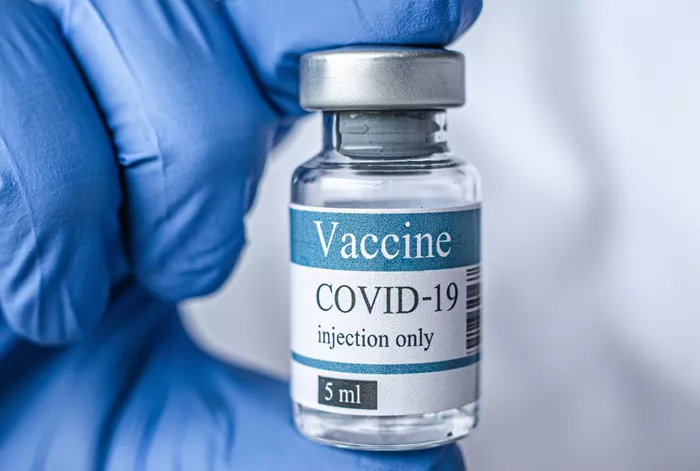
The US Food and Drug Administration (FDA) has authorized updated Covid-19 vaccines for adults ages 65 and older, as well as younger individuals with certain health conditions that increase the risk of severe illness. While officials emphasize that anyone may seek vaccination in consultation with their doctor, the new, narrower guidelines could restrict access compared with prior years.
Who qualifies for vaccination?
According to US Health and Human Services Secretary Robert F. Kennedy Jr., the FDA has cleared vaccines from Moderna (ages 6 months and older), Pfizer (5+), and Novavax (12+) for higher-risk groups.
The US Centers for Disease Control and Prevention (CDC) lists dozens of conditions associated with elevated Covid-19 risks. These include asthma, blood cancers, chronic kidney disease, diabetes, heart conditions, obesity, pregnancy, immune deficiencies, and use of immunosuppressive drugs. Mental health disorders, smoking history, and physical inactivity are also on the list.
Experts estimate that between 100 million and 200 million Americans meet the new eligibility criteria.
When and where will vaccines be available?
Pfizer/BioNTech and Moderna say updated shots will begin shipping to pharmacies, clinics, and hospitals in the coming days. Novavax will distribute its protein-based, non-mRNA vaccine this fall through a partnership with Sanofi.
CVS and Walgreens expect to offer vaccines in most states, though CVS is restricted in 16 states and Washington, DC, due to local regulations. In some cases, patients may need a prescription from an authorized provider.
Access for children and pregnant people
Guidance has shifted for younger populations and expectant mothers. Emergency use authorizations for children under 5 have ended, leaving Moderna’s vaccine available for those 6 months and older with underlying conditions, and Novavax’s vaccine for children 12 and up with risk factors.
The American Academy of Pediatrics (AAP) has broken from federal guidance, recommending broader access for children ages 6 months to 23 months and certain older children. The American College of Obstetricians and Gynecologists continues to support vaccination during pregnancy, despite the absence of current CDC recommendations.
Insurance coverage
Public insurance programs such as Medicare and Medicaid are expected to cover vaccines for eligible individuals. Coverage under private insurance may vary, particularly for loosely defined conditions such as physical inactivity. Under the Affordable Care Act, insurers are required to cover vaccines recommended by the CDC’s Advisory Committee on Immunization Practices (ACIP), which will meet September 18–19 to finalize guidance.
Can others still get vaccinated?
FDA Commissioner Dr. Marty Makary has stressed that vaccines remain available to all adults who request them, though pharmacists may face restrictions on off-label use. Physicians retain authority to provide shots to patients outside the formal eligibility categories.
Determining eligibility
It remains unclear whether patients will need documentation of qualifying health conditions. Historically, CDC guidance has allowed self-reporting, but stricter requirements could complicate access for individuals with less visible conditions.
Flu and Covid-19 shots together
The CDC confirms that eligible individuals may receive flu and Covid-19 vaccines at the same visit. No combination shot is available yet, though Moderna, Pfizer/BioNTech, and Novavax are all developing dual vaccines currently in clinical trials.
YOU MAY ALSO LIKE
Trump’s Tariff Threat on Imported Drugs Could Raise Prices, Trigger Shortages
Former CDC Directors Warn RFK Jr.’s Policies Endanger U.S. Health
Trump Presses Pharma Firms to Disclose Covid Drug Success Data
