
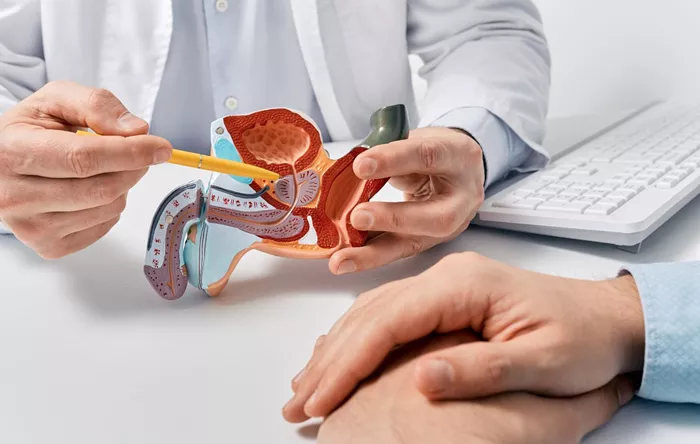
Maintaining prostate health requires a comprehensive approach that combines regular exercise, weight management, and targeted muscle training to address multiple aspects of urological wellness.
Physical activity serves as a cornerstone for prostate health, helping mitigate risks associated with common conditions like benign prostatic hyperplasia (BPH) and prostate cancer through various physiological mechanisms.
The relationship between physical fitness and prostate function demonstrates how lifestyle modifications can significantly impact urological health across a man’s lifespan, with evidence suggesting that consistent activity patterns may reduce symptom progression and improve quality of life for those with existing conditions.
Implementing Weight Control Strategies for Prostate Benefits
Achieving and maintaining optimal body weight represents a crucial component of prostate health management, with excess weight contributing to both lower urinary tract symptoms associated with prostate enlargement and increased prostate cancer risks through inflammatory pathways and hormonal changes.
Adopting a balanced exercise regimen that incorporates circuit training, aerobic activities, stretching, and weight training helps regulate body composition by reducing fat mass while preserving lean muscle tissue that supports metabolic health.
This multifaceted approach not only supports prostate health but also promotes overall cardiovascular fitness, creating synergistic health benefits that extend beyond urological function to reduce all-cause mortality and improve longevity.
Incorporating Daily Movement Beyond Structured Exercise
Recent research reveals that occupational physical activity significantly influences prostate health outcomes, with men engaged in physically demanding professions demonstrating lower incidence rates of benign prostatic hyperplasia compared to sedentary workers who spend prolonged periods sitting.
Those dedicating five or more weekly hours to physical activity, whether occupational or recreational, reduce their BPH risk by approximately 50% compared to individuals exercising less than two hours weekly, highlighting the dose-response relationship between activity levels and prostate benefits.
This underscores the importance of integrating movement throughout daily routines beyond scheduled workout sessions, including taking regular breaks from sitting, using stairs instead of elevators, and incorporating walking meetings to accumulate activity throughout the day.
Selecting Prostate-Friendly Exercise Modalities
While most exercises benefit prostate health through improved circulation, weight management, and reduced inflammation, certain activities require modifications to minimize potential discomfort and pressure on the pelvic region.
Cycling particularly poses challenges for men with existing prostate conditions due to sustained perineal pressure that may compress the urethra and restrict blood flow to the prostate gland. Specialized prostate-friendly bicycle saddles featuring anatomical cutouts help redistribute weight away from sensitive areas
reducing pressure on the perineum (the region between rectal opening and scrotum) by up to 65% compared to traditional saddles. Proper equipment selection enables continued cycling participation while minimizing prostate irritation, with adjustments to riding position, frequent standing breaks, and proper bike fit further reducing potential adverse effects.
Practicing Targeted Pelvic Floor Exercises
Kegel exercises offer significant value for prostate health maintenance despite common associations with female pelvic floor therapy, providing particular benefits for urinary continence and pelvic support in men. These exercises strengthen pelvic muscles supporting urinary control, particularly beneficial for men undergoing prostate procedures or experiencing age-related urinary changes that affect bladder function and emptying efficiency.
Proper technique involves contracting bladder muscles as if interrupting urine flow without engaging abdominal or thigh muscles, holding for five-second intervals with equal relaxation periods, and repeating in sets of 10-20 repetitions daily to build endurance and coordination.
Regular practice enhances muscular control and may alleviate certain urinary symptoms including frequency, urgency, and post-void dribbling that affect quality of life, with maximum benefits typically appearing after several weeks of consistent training.
Balancing Exercise Intensity and Prostate Considerations
Moderate-intensity activities like brisk walking demonstrate substantial prostate benefits without excessive strain, making them accessible options for men across fitness levels and age groups.
Harvard research indicates that even low-to-moderate physical activity significantly reduces BPH risk by approximately 25% compared to sedentary lifestyles, with greater benefits observed at higher activity levels that support weight management and metabolic health.
This accessibility makes prostate health maintenance achievable through consistent movement combined with dietary patterns low in animal fats and high in anti-inflammatory foods for optimal results, creating sustainable lifestyle patterns rather than intensive short-term interventions. The combination of regular activity, weight control, and targeted exercises provides a comprehensive approach to prostate health that addresses multiple risk factors while supporting overall wellbeing and functional independence as men age.
Related topics
