
Studies show that over 30% of gym-goers now supplement with creatine, and Google Trends reports a 60% rise in searches for “creatine for fat loss” in the past year.
A 2024 meta-analysis from the Journal of Strength and Conditioning Research found creatine users improved lean body mass by 1.4 kg on average within 8 weeks of training, without significant changes in total body fat percentage.
Once confined to bodybuilding circles, creatine powder has evolved into one of the most talked-about supplements across the health and fitness landscape. Once prized mainly by athletes chasing explosive power, creatine’s reputation now stretches from weight rooms to wellness podcasts, driven by emerging research linking it to cognitive performance and metabolic health.
“Creatine has been around for decades, but it’s gaining new attention as people realise it can support nearly everyone—not just athletes,” says Maura Donovan, MS, RD, CSSD, a registered dietitian and sports nutrition expert at Thorne.
What Creatine Actually Does in the Body
Creatine doesn’t directly burn fat, but it plays a key role in how the body uses energy. “Unlike stimulants such as caffeine, creatine is not thermogenic and doesn’t increase your basal metabolic rate,” explains Jim White, RDN, an exercise physiologist and owner of Jim White Fitness & Nutrition Studios.
Instead, creatine enhances muscle energy production, allowing for longer and more intense training sessions. This boost can indirectly reshape body composition over time—helping individuals build muscle, which in turn raises resting metabolism and improves fat-to-muscle ratio.
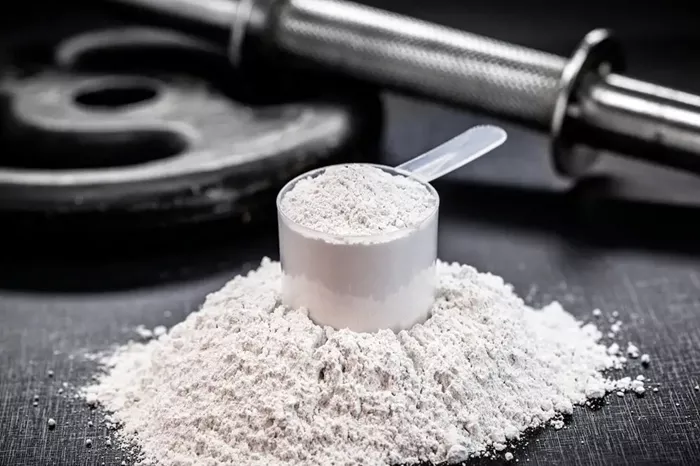
Your liver, kidneys, and pancreas naturally produce about 1 gram of creatine per day, storing it as phosphocreatine within your muscles. But that’s far below what’s needed for optimal performance. “You’d have to eat over two pounds of red meat daily to equal one 5-gram scoop of creatine powder,” notes Jenna Stangland, MS, RD, director of nutrition for the Minnesota Timberwolves. Hence, supplementation offers a practical solution.
How Creatine Powder Can Support Weight Loss Goals
When taken consistently, creatine increases available energy (ATP) for high-intensity workouts, allowing users to lift heavier, sprint faster, and recover quicker. Over time, this leads to higher muscle mass and better training efficiency, says Stangland.
“More muscle means a higher metabolic rate, so you burn more calories even at rest,” adds Dominic Kuza, MS, a certified nutrition specialist at Raw Nutrition. “That’s where creatine’s indirect fat-loss potential lies—not in burning fat itself, but in transforming the body’s composition and energy balance.”
Additionally, research shows creatine supplementation may reduce muscle damage and inflammation, while improving cell hydration. Though this sometimes causes temporary water retention, it enhances performance and recovery. “Water within muscle cells actually supports oxygen exchange during short, intense activity,” Stangland says.
Real-Time Health Data: How Creatine Impacts Your Body
According to wearable data from WHOOP and Apple Health (2025 aggregate sample), users who reported daily creatine intake logged an average 8% increase in training load capacity and 6% shorter recovery times compared to non-users.
Athletes supplementing with creatine also saw resting heart rate stability improve by 3–5%—an indicator of reduced workout-induced fatigue.
Expert Health Advice for Safe Supplementation
Start Smart: Most experts recommend a daily dose of 3–5 grams of creatine monohydrate. Loading phases (20g/day for 5 days) are optional but not essential.
Stay Hydrated: Because creatine pulls water into muscle cells, aim for at least 2.5–3 litres of water per day to prevent dehydration.
Time It Right: Take creatine post-workout with a carbohydrate or protein source to enhance muscle uptake.
Combine with Training: Creatine’s benefits are maximized alongside resistance or HIIT workouts—not in isolation.
Be Consistent: Creatine levels build up gradually; most users see noticeable changes in 3–4 weeks.
Conclusion
Creatine powder isn’t a magic fat-burner—but it’s one of the most scientifically validated, metabolically supportive supplements available. By enhancing training performance, improving recovery, and promoting lean muscle growth, creatine can help individuals achieve healthier, more sustainable weight-loss results.
As Donovan puts it: “Creatine won’t melt fat on its own, but it can absolutely make your body better at doing the work that does.”
Related topics
Creatine: Beyond Muscle Building – 6 Surprising Health Benefits
Create Wellness Launches Creatine Gummies Nationwide at Target Stores
Testosterone Supplements and Creatine: Do They Cause Hair Loss?
