
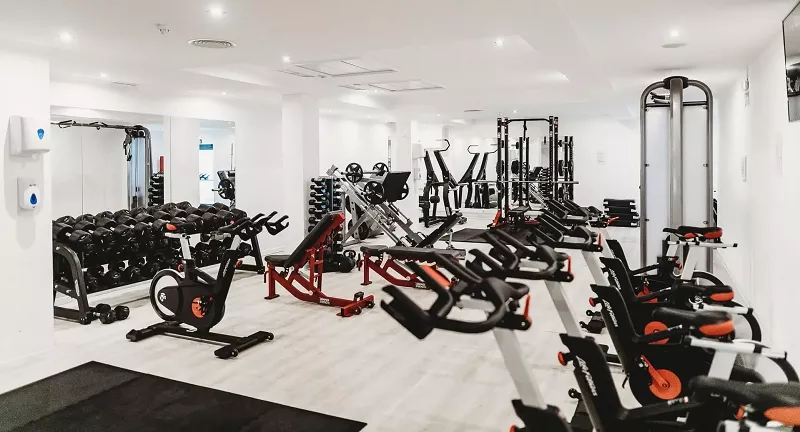
Regular physical activity represents one of the most effective strategies for mitigating age-related physiological decline while promoting functional independence and quality of life in older adults. Scientific evidence consistently demonstrates that structured exercise interventions can counteract numerous aging biomarkers, including muscle mass reduction, bone density loss, and cardiovascular efficiency decline that commonly occur with advancing age.
The World Health Organization recommends that adults aged sixty-five and above engage in multicomponent physical activity that emphasizes functional balance and strength training at least three days per week, alongside moderate-intensity aerobic activity that maintains cardiovascular health and endurance. This comprehensive approach addresses multiple systems simultaneously, supporting overall wellbeing and reducing disease risk factors associated with sedentary lifestyles.
Examining Physiological Mechanisms of Exercise-Induced Protection Against Aging
Exercise exerts its anti-aging effects through multiple biological pathways that interact to preserve function across various bodily systems. Mechanical loading during weight-bearing activities stimulates osteoblast activity, increasing bone mineral density and reducing fracture risk by up to forty percent in consistent exercisers compared to sedentary individuals.
Muscular contractions promote mitochondrial biogenesis and protein synthesis, offsetting sarcopenia progression that typically leads to strength loss and functional limitations. Cardiovascular training enhances endothelial function and cardiac output while reducing inflammatory markers associated with chronic diseases like diabetes and heart conditions.
Neurobiological benefits include increased brain-derived neurotrophic factor production, supporting cognitive function and potentially delaying neurodegenerative disease onset through improved neural connectivity and blood flow.
Implementing Safe Home-Based Exercise Equipment Selection for Older Adults
Selecting appropriate home exercise equipment requires consideration of space constraints, safety features, and functional objectives that match individual capabilities and limitations. Treadmills with handrail support and emergency stop mechanisms provide safe cardiovascular options, particularly when equipped with shock-absorbing decks that reduce joint impact during walking or light jogging sessions. Recumbent bicycles offer back support and low-impact cardiovascular training suitable for individuals with balance concerns or orthopedic limitations that make upright cycling uncomfortable or risky. Resistance bands with graduated tension levels enable progressive strength training without joint compression risks associated with traditional weights, while yoga mats with adequate thickness between six and eight millimeters provide joint protection during floor exercises with non-slip surfaces that prevent falls during transitions.
Designing Comprehensive Exercise Programming for Older Adult Populations
Effective senior exercise programming incorporates four essential components that address different aspects of physical function and health maintenance. Aerobic training should maintain fifty-five to seventy percent of heart rate reserve for twenty to thirty minutes daily
emphasizing rhythmic activities like stationary cycling or brisk walking that elevate heart rate safely. Strength training requires progressive resistance exercises targeting major muscle groups two to three times weekly using bodyweight, resistance bands, or light dumbbells that challenge muscles without excessive strain.
Balance training incorporates single-leg stands, heel-to-toe walking, and tai chi movements to reduce fall risk by approximately thirty percent through improved stability and coordination. Flexibility exercises maintain joint mobility through static stretching after workouts when muscles are warm and pliable, focusing on major muscle groups that tend to tighten with age and disuse.
Addressing Common Age-Related Exercise Considerations and Modifications
Special considerations for older exercisers include arthritis management through non-impact activities, adequate warm-up periods of ten to fifteen minutes, and attention to environmental factors like temperature regulation that affect comfort and safety.
Hydration requirements increase with age due to diminished thirst perception, necessitating scheduled fluid intake before, during, and after exercise sessions to prevent dehydration-related complications. Medication-exercise interactions require particular attention, especially with beta-blockers that affect heart rate response and diuretics impacting electrolyte balance during prolonged activity.
Visual and hearing impairments may require modified instructions and environmental adjustments, while cognitive changes might necessitate simplified routines and additional supervision for safe participation.
Implementing Safety Protocols and Medical Clearance Procedures
Pre-exercise medical screening should address cardiovascular risk factors, musculoskeletal limitations, and medication profiles that might influence exercise safety and effectiveness.
The American College of Sports Medicine recommends physician clearance before vigorous exercise initiation for sedentary adults with cardiovascular, metabolic, or renal diseases that could be exacerbated by intense activity. Exercise progression should follow the ten percent rule, gradually increasing duration or intensity weekly to allow adaptation while minimizing injury risk from overexertion.
Warning signs requiring immediate cessation include atypical shortness of breath, chest discomfort, dizziness, or irregular heartbeats that may indicate cardiovascular distress or other medical issues. Balance exercises should initially employ chair support or wall contact with progression to unsupported standing as stability improves over several weeks of consistent practice.
Related topics
