
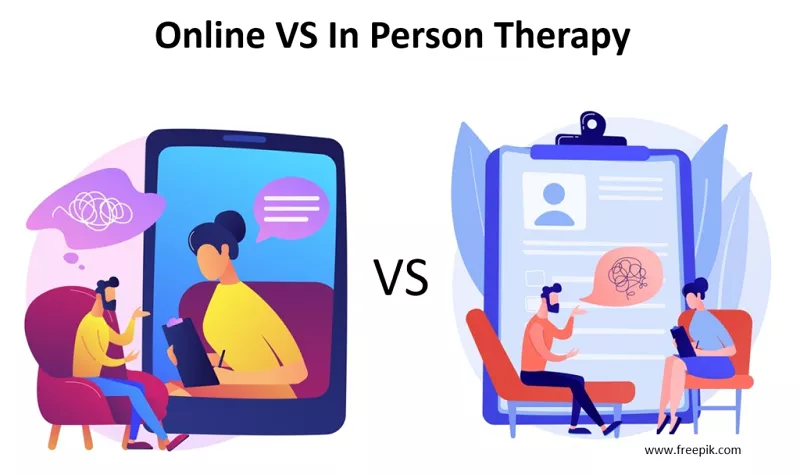
Online therapy, also known as teletherapy or telepsychology, involves receiving mental health counseling services through digital platforms, such as video conferencing, phone calls, or messaging apps. This form of therapy has emerged as a convenient and accessible alternative to traditional in-person sessions, allowing individuals to connect with licensed therapists from the comfort of their own homes.
The core principle remains the same as traditional therapy: to provide support and treatment for a wide range of issues, including stress, grief, depression, anxiety, and relationship problems. The digital format leverages technology to break down common barriers to accessing mental health care, making it a viable option for many people seeking support.
Exploring the Key Advantages of Choosing Online Therapy
The primary appeal of online therapy lies in its significant advantages regarding convenience and accessibility. It eliminates the need for commuting, saving considerable time and resources associated with travel, and allowing for easier scheduling around work or family commitments. For many individuals, the comfort of being in their own familiar space can foster a greater sense of relaxation and openness during sessions, which can enhance the therapeutic process.
From a cost perspective, some online platforms offer subscription models or sliding scale fees that can be more affordable than traditional therapy, especially for those without insurance coverage or whose plans offer limited mental health benefits. Furthermore, online therapy provides access to a broader pool of therapists, ensuring a better potential match for specific needs, regardless of geographic location.
Critical Considerations Before Starting Online Therapy
Despite its benefits, online therapy is not a one-size-fits-all solution and requires careful consideration before beginning. Several important factors must be evaluated, including the suitability of the format for one’s specific condition, as severe mental health crises may necessitate immediate in-person intervention.
The verification of a therapist’s credentials is paramount to ensure they are properly licensed to practice in your state or country. Financial aspects are also crucial; it is essential to confirm whether the service accepts your insurance or if out-of-pocket costs fit your budget. Additionally, the security and privacy of the platform used must comply with regulations like HIPAA to protect confidential health information.
Preparing Effectively for a Successful Online Therapy Experience
Maximizing the benefits of online therapy involves thoughtful preparation, similar to traditional counseling but with a focus on the digital environment. Before your first session, take time to articulate your personal goals and what you hope to achieve through therapy, which will help guide the conversations with your therapist.
Creating a dedicated, private, and distraction-free space for your sessions is essential for maintaining focus and confidentiality, ensuring that you can speak openly without interruptions. Testing your technology beforehand, including internet connection, audio, and video functionality, can prevent technical difficulties from disrupting the session. Adopting an honest and proactive approach to communication will significantly enhance the effectiveness of the therapeutic relationship.
Navigating Potential Challenges and Limitations of the Format
While online therapy offers numerous benefits, it also presents unique challenges that users should acknowledge. The digital medium can sometimes limit the therapist’s ability to pick up on non-verbal cues, such as body language or subtle shifts in demeanor, which are integral parts of the communication process in traditional therapy.
Technological issues, like poor internet connectivity or software glitches, can occasionally interrupt the flow of a session, potentially impacting its effectiveness. Some individuals might find it harder to build a strong therapeutic rapport or feel a sense of connection through a screen compared to being in the same room. Furthermore, the onus is on the client to create a therapeutic environment at home, which can be difficult in a busy or shared living space.
Conclusion
In conclusion, online therapy represents a significant and valuable evolution in the delivery of mental health services. It provides a flexible, accessible, and often cost-effective option for many individuals seeking support. By carefully considering its suitability, preparing adequately for sessions, and understanding both its advantages and limitations, individuals can effectively leverage this modern tool to improve their mental wellbeing.
As technology and research continue to advance, online therapy is poised to become an increasingly integrated and refined component of comprehensive mental health care for a global audience.
Related topics:
