
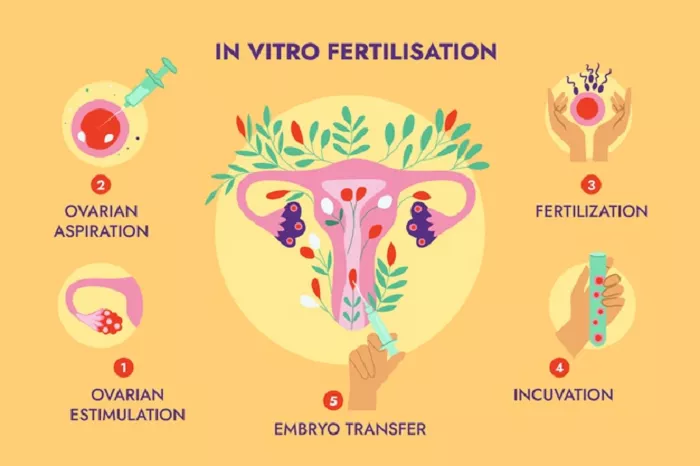
In vitro fertilization represents a sophisticated assisted reproductive technology designed to help individuals and couples conceive a child. This medical process involves the external fertilization of an egg with sperm in a specialized laboratory setting. The resulting embryo is then carefully transferred into the uterus with the goal of establishing a successful pregnancy.
IVF has evolved significantly since the first successful birth in 1978. It now offers hope to millions worldwide facing various fertility challenges. The treatment has become increasingly common with thousands of babies born annually through this procedure. Modern IVF techniques continue to advance improving success rates and accessibility for diverse patient populations.
Examining the Primary Reasons Patients Pursue IVF Treatment Options
People choose IVF for numerous medical reasons beyond general infertility. The procedure effectively addresses fallopian tube issues that prevent natural conception. Severe male factor infertility including low sperm count or poor motility responds well to specialized IVF techniques.
Conditions like endometriosis and polycystic ovary syndrome that impair ovulation often benefit from this intervention. Individuals with genetic disorders may use IVF with preimplantation testing to avoid passing on serious conditions. Same sex couples and single individuals increasingly utilize IVF to build their families. Cancer patients preserving fertility before treatments represent another growing patient group. The versatility of IVF makes it applicable to various complex reproductive scenarios.
Navigating the Step by Step Process of a Typical IVF Cycle
A complete IVF cycle spans several weeks beginning with comprehensive diagnostic testing. Patients undergo ovarian stimulation using hormonal medications to produce multiple mature eggs. Doctors monitor follicular development through blood tests and ultrasound examinations.
The egg retrieval procedure occurs under sedation using ultrasound guided needle aspiration. Embryologists then fertilize the collected eggs with sperm using conventional methods or ICSI. Embryo development is monitored in controlled laboratory conditions for three to six days. The final transfer procedure involves placing selected embryos into the uterus using a thin catheter. Any remaining viable embryos may be cryopreserved for future attempts.
Analyzing Statistical Success Rates and Influencing Factors for IVF
IVF success rates vary considerably based on multiple patient and treatment factors. Maternal age remains the most significant predictor with women under thirty five having the highest success. Embryo quality laboratory conditions and medical protocols substantially impact outcomes.
The number of embryos transferred influences both pregnancy rates and multiple gestation risks. Cumulative success rates improve when multiple cycles are considered together. Patients should review clinic specific data published by regulatory bodies for accurate expectations. Realistic understanding of statistical probabilities helps patients make informed treatment decisions.
Considering Potential Health Risks and Complications of IVF
Like any medical procedure IVF carries certain risks and potential complications. Ovarian hyperstimulation syndrome represents the most serious immediate risk requiring careful monitoring. Multiple pregnancies increase maternal and fetal health risks including preterm birth. The egg retrieval procedure may rarely cause bleeding infection or organ damage.
Some studies suggest slightly increased risks for specific birth defects though absolute risk remains low. Emotional stress and financial pressure constitute significant non medical challenges for many patients. Thorough discussion of potential complications with medical providers remains essential before treatment.
Evaluating the Financial Considerations and Ethical Dimensions of IVF
The substantial cost of IVF treatment presents a major consideration for most patients. Insurance coverage varies widely leaving many patients with significant out of pocket expenses. Ethical considerations surrounding embryo creation selection and disposition require careful thought.
Legal frameworks differ across countries and regions regarding IVF practices. Patients should investigate all financial legal and ethical aspects before commencing treatment. Support networks and counseling services can help navigate these complex dimensions throughout the treatment journey.
Related topics
