
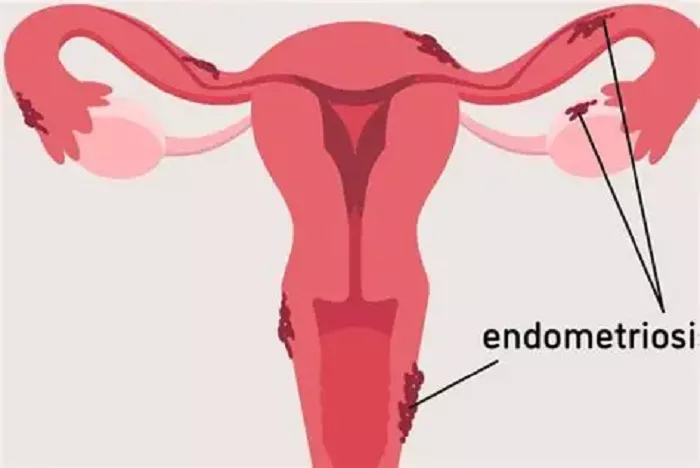
Endometriosis represents a chronic inflammatory condition where tissue resembling the uterine lining grows outside the uterus, affecting approximately 10% of reproductive-aged individuals worldwide. This condition involves the implantation of endometrial-like tissue on various pelvic organs, including the ovaries, fallopian tubes, and bowel, leading to inflammation, scar tissue formation, and potential organ adhesion.
While no cure exists, early recognition of symptoms enables effective management strategies that can significantly improve quality of life. The condition’s complexity stems from its multifactorial nature, involving hormonal, immunological, and genetic components that vary among affected individuals.
Recognizing Common Symptom Patterns and Variations
The most prevalent endometriosis symptom involves debilitating menstrual cramps that often intensify over time, frequently described as “killer cramps” due to their severity. Beyond pelvic pain, patients commonly experience deep pain during sexual intercourse, chronic lower back pain worsening during menstruation, and various gastrointestinal symptoms including diarrhea, constipation, and bloating.
Fatigue remains a frequently reported concern, while reproductive challenges affect nearly half of those with the condition. Unique symptom patterns include cyclical migraines, worsened allergies around menstruation, and intermenstrual bleeding. Importantly, symptom severity doesn’t necessarily correlate with disease stage, as individuals with minimal visible endometriosis may experience severe pain, while those with extensive disease might remain asymptomatic.
Understanding Pain Mechanisms and Their Impact
Endometriosis-related pain originates from multiple sources, including persistent pelvic inflammation, irritated nerves, and scar tissue that distorts pelvic anatomy. The condition involves complex pain pathways where lesions produce inflammatory molecules and stimulate new nerve growth (neuroangiogenesis). Central sensitization may amplify pain signals, while pelvic floor muscle dysfunction contributes to discomfort.
Pain manifestations vary considerably, ranging from sharp, stabbing sensations to dull, throbbing discomfort that may persist throughout the menstrual cycle. The unpredictable nature of this pain frequently disrupts work, education, social activities, and intimate relationships, creating significant emotional distress.
Evaluating Gastrointestinal and Urinary Symptoms
Many individuals with endometriosis experience symptoms overlapping with irritable bowel syndrome, including abdominal cramping, alternating diarrhea/constipation, and painful bowel movements. These symptoms typically fluctuate with the menstrual cycle, worsening during ovulation and menstruation.
Urinary symptoms may include pain during urination, increased frequency, and urgency, sometimes related to comorbid interstitial cystitis. While these symptoms often reflect generalized pelvic inflammation rather than direct bowel or bladder involvement, approximately 3-37% of patients have actual endometrial implants on intestinal tissues, primarily affecting the rectum and sigmoid colon.
Addressing Mental Health Considerations and Quality of Life
The chronic nature of endometriosis significantly impacts mental health, with higher rates of depression, anxiety, and reduced quality of life compared to the general population. Contributing factors include persistent pain, sleep disturbances, treatment side effects, and the condition’s interference with daily functioning.
The inflammatory process may directly affect brain chemistry, while genetic factors potentially increase vulnerability to mood disorders. Comprehensive care should include mental health support alongside physical symptom management, addressing the bidirectional relationship between pain and psychological distress.
Exploring Treatment Approaches and Management Strategies
Treatment focuses on symptom control and may involve hormonal therapies to suppress menstruation, pain management strategies, and surgical intervention to remove lesions and scar tissue. For those experiencing infertility, assisted reproductive technologies often provide the best chances of conception.
Emerging approaches include targeted anti-inflammatory medications and nerve pain modulators. Multidisciplinary care involving gynecologists, pain specialists, physical therapists, and mental health professionals offers the most comprehensive management. Patient education about condition management and self-advocacy remains crucial for navigating healthcare systems and accessing appropriate care.
Related topics:
