
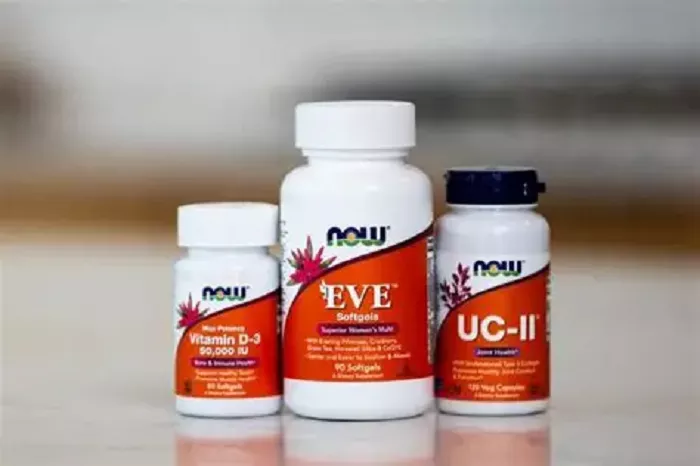
Dietary supplements have gained significant attention for their potential role in supporting cardiovascular health, though their efficacy varies considerably across different formulations. Scientific research indicates that certain supplements may contribute to reducing cholesterol levels, improving blood pressure, and addressing other risk factors associated with heart disease.
However, conclusive evidence regarding their ability to prevent major cardiovascular events like heart attacks or strokes remains limited. These nutritional interventions should be viewed as complementary to, rather than replacements for, established heart-healthy lifestyle practices including balanced nutrition, regular physical activity, and medical treatments when necessary.
Evaluating Fiber and Plant Sterol Supplements for Cholesterol Management
Dietary fiber, particularly soluble fiber varieties like psyllium husk, has demonstrated efficacy in reducing low-density lipoprotein (LDL) cholesterol levels by interfering with cholesterol absorption in the digestive system. The American Heart Association recommends daily fiber intake of 25-38 grams depending on age and gender, though many individuals struggle to meet these targets through diet alone.
Psyllium supplements, taken with adequate fluid intake, can help bridge this nutritional gap. Plant sterols and stanols, which occur naturally in nuts and grains and are added to various functional foods, work by blocking cholesterol absorption in the intestine. Clinical evidence supports daily consumption of 2 grams of plant sterols for LDL cholesterol reduction, particularly in individuals with hypercholesterolemia.
Examining Coenzyme Q10 and Omega-3 Fatty Acid Supplementation
Coenzyme Q10 (CoQ10) plays a crucial role in cellular energy production and has been investigated for its potential cardiovascular benefits. Some studies suggest CoQ10 supplementation may modestly lower blood pressure and address statin-associated muscle symptoms, though the latter application lacks strong scientific consensus.
Omega-3 fatty acids, primarily from fish oil supplements, have demonstrated significant triglyceride-lowering effects (up to 30% reduction) and may contribute to blood pressure management. However, recent large-scale trials have not consistently shown cardiovascular event reduction with omega-3 supplementation, leading many experts to prioritize dietary fish consumption over supplements for general heart health promotion.
Reviewing Evidence for Garlic, Green Tea, and Flaxseed Interventions
Garlic supplements, particularly aged garlic extracts, have shown modest blood pressure-lowering effects and potential antiplatelet activity in clinical studies. Green tea extracts, rich in catechins, may improve lipid profiles by reducing LDL cholesterol and triglycerides while increasing high-density lipoprotein (HDL) cholesterol.
Flaxseed oil, containing alpha-linolenic acid (an omega-3 fatty acid), has demonstrated cholesterol-lowering properties, though its impact on cardiovascular event reduction remains uncertain. These botanical supplements offer relatively mild effects and should be considered as part of comprehensive cardiovascular risk reduction strategies rather than standalone interventions.
Assessing B Vitamins, Magnesium, and Red Yeast Rice Applications
Folic acid and other B vitamins can effectively lower homocysteine levels, though clinical trials have not demonstrated reduced cardiovascular event rates despite this biochemical effect. Magnesium supplementation may benefit individuals with deficiency or inadequate intake by supporting normal blood pressure regulation and cardiac rhythm stability.
Red yeast rice contains monacolin K, which is chemically identical to the prescription medication lovastatin and can significantly lower cholesterol levels. However, quality control issues and potential side effects similar to statin medications necessitate medical supervision before use.
Implementing Safe Supplementation Practices and Precautions
Cardiovascular supplement use requires careful consideration of potential drug interactions, quality variability, and individual health status. Patients should consult healthcare providers before initiating any new supplement, particularly if taking prescription medications like anticoagulants, antihypertensives, or statins.
Quality verification through third-party testing programs, such as USP Verification or NSF International, can help ensure product safety and potency. Supplements should never replace prescribed medications or medical advice, and individuals with established cardiovascular disease should maintain regular follow-up with their healthcare team while using any complementary approaches.
Related topics:
