
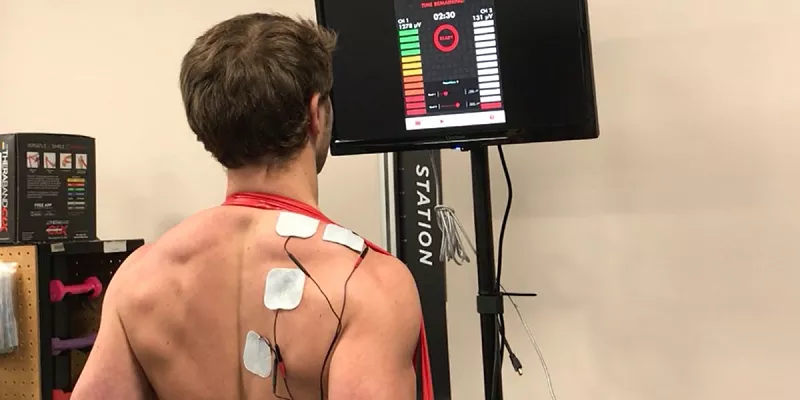
Biofeedback is a non-invasive mind-body therapy technique that teaches individuals to control certain bodily functions typically considered involuntary, such as heart rate, muscle tension, and skin temperature. During a session, sensors are connected to your body to monitor these physiological responses, and the feedback is displayed to you on a screen or through sounds.
This real-time information allows you to learn, through practice, how to consciously influence these functions—for instance, by relaxing specific muscles. Biofeedback is used for various conditions, including migraines, ADHD, fibromyalgia, and hypertension. The ultimate goal is to develop the skill to recognize and control the body’s stress responses without needing the monitoring equipment over time, making it a valuable self-management tool.
Exploring the Application of Biofeedback for Migraine Relief
Biofeedback therapy addresses the physiological changes that often precede and accompany migraine attacks. Specific types of biofeedback are particularly beneficial for migraines. Electromyographic (EMG) biofeedback focuses on monitoring skeletal muscle tension. Electrodes are typically placed on three key upper body muscles that tend to tense up before or during a migraine: the frontalis muscle on the forehead, the masseter muscle in the jaw, and the trapezius muscle in the shoulders. By observing the tension levels in these muscles, you learn to recognize the early signs of stress and practice relaxation techniques to release the tension, potentially reducing the frequency and severity of headaches.
Utilizing Thermal Biofeedback to Regulate Body Temperature
Another highly effective method for migraine management is thermal biofeedback, also known as hand-warming therapy. Many individuals who experience migraines often have cool hands and feet, a result of blood vessel constriction under the skin due to stress. This type of biofeedback uses sensors to monitor skin temperature on your fingers. The device provides feedback as you practice relaxation techniques, which cause the blood vessels to dilate, warming your hands. Learning to voluntarily increase hand temperature has been shown to significantly reduce the intensity and frequency of migraine days by promoting an overall state of relaxation and improving blood flow.
Recognizing the Significant Benefits of Biofeedback Treatment
Biofeedback therapy offers several notable advantages for individuals suffering from migraines. It is a completely non-invasive and safe procedure with no known side effects, making it a suitable option even for pregnant women. A key benefit is its potential to reduce reliance on medication, either by decreasing the need for acute migraine drugs or by enhancing the effectiveness of a prescribed medication regimen when used as a complementary treatment. Perhaps most importantly, biofeedback empowers patients by providing them with active control over their health, turning them from passive sufferers into active managers of their condition, which can significantly improve quality of life.
Preparing for Biofeedback Therapy and Finding a Qualified Provider
Before starting biofeedback, it is crucial to consult with your primary care physician or neurologist. They can assess if you are a good candidate for this therapy and discuss how it might fit into your overall treatment plan, which may include medication. Finding a qualified provider is essential. Look for a licensed biofeedback practitioner with specific experience in treating migraines. You can ask potential therapists about their experience with migraine patients, request references, and inquire about the estimated number of sessions needed, which can vary based on individual severity.
Considering the Practical Aspects of Cost and Insurance Coverage
The financial aspect of biofeedback therapy is an important practical consideration. Typical sessions last between 30 to 60 minutes, and multiple sessions are usually required for lasting results, making the total cost a factor for many patients. It is highly recommended to check with your health insurance provider beforehand to determine if biofeedback for migraine treatment is covered under your plan. If the therapy is successful, you will learn to use the techniques independently without the need for continuous device use, which can lead to long-term benefits and potentially lower medication costs over time; however, you should never stop taking prescribed medications without first discussing it with your doctor.
Related topics
