
The first and most crucial step in obtaining a wheelchair is to consult with a healthcare professional, such as a doctor or physical therapist.
They can refer you for a comprehensive wheelchair assessment conducted by an occupational or physical therapist. This evaluation is essential for ensuring the wheelchair is a perfect match for your specific requirements.
Key factors considered during the assessment include your skin integrity and risk for pressure ulcers, your body size and shape, postural needs, physical strength, sitting balance and stability, and whether you have a progressive condition that may change your needs over time.
The outcome of this assessment will provide a foundational recommendation for the type of chair that will best support your mobility and overall health.
Key Considerations for Determining Your Wheelchair Requirements
Before you begin shopping, it is vital to answer several important questions to narrow down the ideal style and features for your wheelchair. You should consider whether you will be self-propelling the chair or require someone to push you. If self-propelling, do you need a power-assisted option?
How often and where will you use the chair: indoors, outdoors, or both? Do you require specialized cushions to prevent pressure sores or tilt and recline functions for postural support and pressure relief? Your lifestyle is also a factor: are you an athlete needing a sports model? How often will the chair need to be transported? Finally, understanding what your insurance plan covers is a critical practical step that will influence your budget and options.
Understanding the Different Types of Manual Wheelchairs
Manual wheelchairs are primarily categorized into several types, each designed for different uses and user capabilities. A standard manual wheelchair features large rear wheels for self-propulsion but can be bulky to transport.
Lightweight and ultra-lightweight rigid-frame wheelchairs offer significantly better efficiency for active users, as the rigid frame allows more force to be directed into forward motion. They often feature quick-release wheels for easier storage and transport.
Transport chairs have small wheels on all four corners and are designed specifically to be pushed by an attendant, making them unsuitable for self-propulsion. The right choice depends heavily on your upper body strength, endurance, and intended daily activities.
Evaluating the Options in Power Wheelchairs
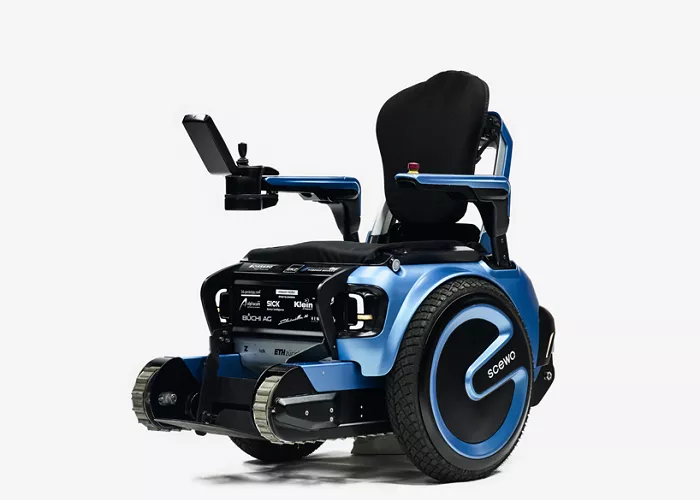
Power wheelchairs, or electric wheelchairs, are powered by batteries and controlled via a joystick or alternative control device. They are ideal for individuals who lack the strength or stamina to propel a manual chair or who need to conserve energy for other activities.
These chairs range from portable indoor models that can navigate smooth surfaces to heavy-duty outdoor chairs with specialized tires for handling rough terrain and obstacles. Key considerations include the chair’s weight and dimensions, which affect transportability and often require a wheelchair-accessible vehicle.
Power chairs also require more maintenance and are generally more expensive than manual chairs, but they offer unparalleled independence for those with significant mobility limitations.
Essential Aftermarket Accessories for Customization and Comfort
Finding the perfect stock wheelchair can be challenging, but a wide range of aftermarket accessories allows for significant customization. Working with an occupational therapist can help you identify which accessories will enhance your comfort and functionality.
Common additions include specialized seat cushions made from foam, gel, or air to prevent pressure ulcers, saddle bags for personal item storage, power-assist units that can be added to manual chairs for easier propulsion, headrests for support, and suspension systems like “frog legs” to smooth out rides over bumps. These customizations ensure the chair not only fits your body but also seamlessly integrates into your lifestyle.
Conclusion
Selecting the right wheelchair is a significant decision that profoundly impacts your independence and quality of life. By starting with a professional assessment, carefully considering your personal needs and lifestyle, and understanding the differences between manual and power models, you can make a well-informed choice.
Remember that customization through accessories is key to achieving the perfect fit. While the process may seem daunting, collaboration with healthcare professionals will ensure you find a wheelchair that serves as a reliable tool for daily living, enabling you to move through your world with greater comfort and confidence.
Related topics:
