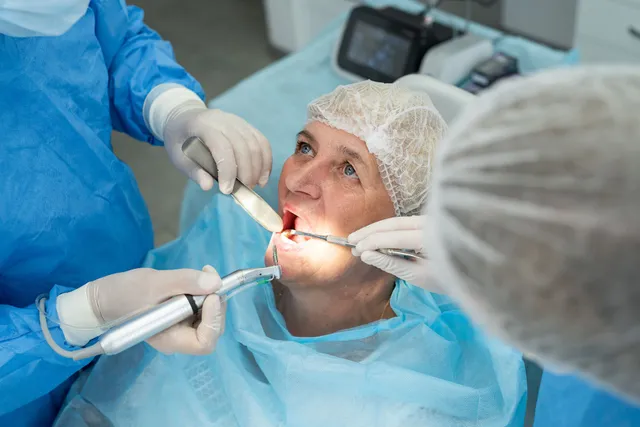
Israeli technologies are significantly transforming dental implant procedures and broader dental care by using advanced tools such as AI, 3D printing, lasers, and biomaterials to make treatments faster, less painful, and more precise.
One key innovation involves 3D printing of dental implants, crowns, and dentures using biocompatible materials, which eliminates the need for traditional, messy impressions. Intraoral scanners create digital models that are printed with high accuracy, leading to quicker and more comfortable fittings.
Laser dentistry is advanced by Israeli-developed devices like LiteTouch, which use Erbium:YAG lasers without bulky fiber optics. This technology shapes teeth and gums more gently than traditional drills, resulting in less pain and faster healing after implant procedures.
In the field of biomaterials, companies produce implants that actively support bone growth around dental implants. For example, devices emitting electromagnetic pulses accelerate denser bone formation, reducing implant failure risk, particularly for patients with weaker bone quality. Additionally, experimental tissue-scaffold implants stimulate gum tissue regeneration, aiming to improve healing in periodontal disease.
Orthodontics and cosmetic dentistry are also benefiting from Israeli innovations. Invisalign clear aligners are widely used, while newer systems apply gentle pulsating forces to move teeth comfortably, often worn only at night. Mobile apps powered by AI assist in precise shade matching for veneers and crowns, improving cosmetic treatment outcomes.
Artificial intelligence is playing an increasing role in appointment management, diagnostic accuracy, and treatment planning. AI-driven systems automate scheduling, reduce no-show rates by approximately 40%, and analyze X-rays to detect cavities and root structures with 37% higher accuracy. Emerging technologies are also working toward creating digital patient twins from combined imaging data to enhance dental implant planning and placement precision.
About 40% of dental implants face complications from peri-implantitis, but Israeli devices designed to improve healing and bone integration are addressing this problem effectively. With 12% of dentists worldwide adopting Er:YAG lasers, Israeli laser devices have helped popularize less painful techniques for dental implant surgeries.
For patients, these innovations lead to less discomfort, fewer dental visits, and more predictable aesthetic results. Dental practices benefit from streamlined workflows, reduced errors, improved scheduling efficiency, and minimized physical storage through digital files.
Overall, Israeli dental technologies are pioneering advances across diagnostics, implants, orthodontics, and cosmetic dentistry, making dental implant care more efficient, comfortable, and successful worldwide.
Related topics
Health Marketplace Faces Rising Premiums Before ACA Enrollment Opens
Natural Sweetener Boosts Hair Restoration with Enhanced Minoxidil Delivery
Dental Insurance Access Falls Short as Maine Doctors Use Silver Fluoride Therapy