
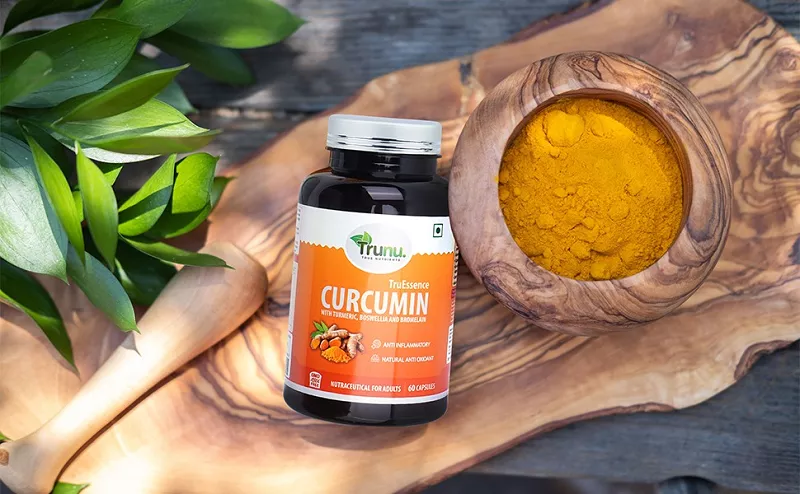
Vitamin E supplements are primarily used to address a deficiency in vitamin E, a nutrient essential for maintaining a healthy cardiovascular system, blood vessels, and immune function. While many individuals in the United States obtain sufficient vitamin E from their diet—found in vegetable oils, nuts, seeds, and green leafy vegetables—supplements become necessary for those with inadequate intake or absorption issues.
For most adults, the recommended daily allowance is 15 milligrams. The benefits of supplementation for conditions beyond correcting a deficiency, however, are not well-established and remain a subject of ongoing research. A healthcare provider may recommend them for other specific reasons based on individual patient assessment.
The Antioxidant Mechanism and Biological Role of Vitamin E
The fundamental mechanism by which vitamin E operates in the body is through its role as a potent antioxidant. The supplement contains compounds called tocopherols and tocotrienols, which work to neutralize harmful free radicals. These unstable molecules can cause oxidative stress, damaging cells and contributing to aging and various diseases. By donating an electron to stabilize free radicals, vitamin E helps protect cell membranes from damage.
This antioxidant action is crucial for the health of nerves, muscles, and the circulatory system. It is important to note that the body more effectively absorbs the natural form of vitamin E (RRR-alpha-tocopherol) found in food than the synthetic form (all-rac-alpha-tocopherol) common in supplements.
Available Formulations and Proper Storage Guidelines
Vitamin E supplements are available in several forms and dosages to suit different needs, including softgel capsules, tablets, and liquid drops. The strength can vary significantly between products. Proper storage is essential to maintain the supplement’s potency.
It should be kept in a cool, dry place away from direct sunlight, and always out of reach of children and pets. Additionally, if using a liquid form, an accurate measuring device like a oral syringe or dosing cup should be used instead of a household spoon to ensure the correct dosage is administered, as incorrect dosing can lead to inefficacy or potential harm.
Common and Serious Side Effects Associated with Supplementation
Vitamin E supplements are generally well-tolerated when taken as directed. However, they are not without potential side effects. The most significant risk associated with high-dose supplementation is an increased tendency for bleeding, including serious events like hemorrhagic stroke.
This risk is heightened for individuals taking blood-thinning medications such as warfarin or antiplatelet drugs like clopidogrel. Although rare, a serious allergic reaction is also possible. Symptoms requiring immediate medical attention include difficulty breathing, swelling of the face or throat, and a severe rash. Users should discontinue use and seek emergency help if these symptoms occur.
Crucial Warnings and Pre-Supplementation Considerations
Before starting a vitamin E supplement, a discussion with a healthcare provider is crucial. Individuals with known allergies to tocopherols, tocotrienols, or any ingredient in a specific product should avoid it. Furthermore, people with certain health conditions—such as bleeding disorders, history of stroke, or malabsorption syndromes like Crohn’s disease or celiac disease—require careful evaluation.
It is also vital to disclose all other medications, herbs, and supplements being taken, as vitamin E can interact with chemotherapy, statins, and high-dose aspirin. Pregnant or breastfeeding women should only use these supplements under medical guidance, as the effects on the infant are not fully understood.
Important Drug Interactions and Dietary Considerations
Vitamin E supplements can interact with a range of common medications. As mentioned, the most critical interactions involve anticoagulants and antiplatelet drugs, potentially increasing the risk of bleeding. Concurrent use with statins or certain cancer therapies may also require monitoring. From a dietary perspective, because vitamin E is fat-soluble, taking the supplement with a meal containing fats can enhance its absorption.
There is no known significant interaction with alcohol, but moderation is always advised. Given that vitamin E is present in many multivitamins and combination supplements, users must account for all sources to avoid exceeding the tolerable upper intake level, which is 1,000 mg per day for adults, as megadoses can be harmful.
Related topics:
