
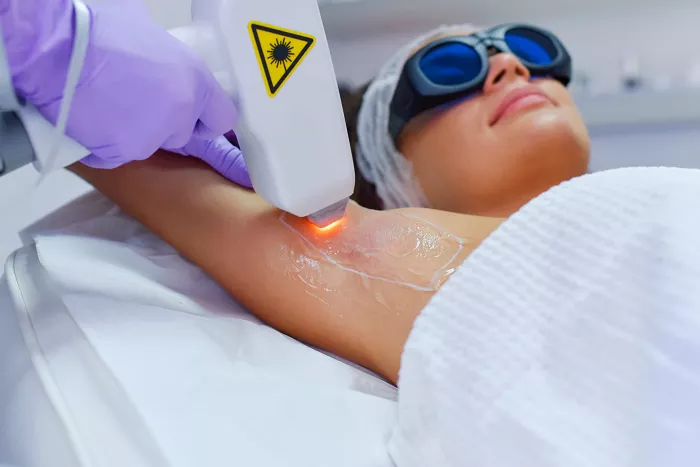
Laser hair removal is a popular cosmetic procedure that utilizes concentrated beams of light to eliminate unwanted hair from various body areas. This method offers a long-term solution for individuals dissatisfied with temporary methods like shaving, waxing, or plucking.
The science behind the treatment is both precise and effective. The laser emits a specific wavelength of light that is preferentially absorbed by the pigment, or melanin, within the hair shaft. This light energy is then converted into heat, which damages the tube-shaped sacs within the skin, called hair follicles. This damage inhibits or significantly delays future hair growth. It is crucial to understand that the procedure’s success hinges on the contrast between hair and skin color, making it most effective for individuals with light skin and dark hair.
Essential Preparation Steps for an Optimal Treatment Outcome
Proper preparation is critical for maximizing the effectiveness of laser hair removal and minimizing potential side effects. As a medical procedure, it requires careful planning.
For at least six weeks prior to treatment, you must avoid waxing, plucking, and electrolysis, as these methods remove the hair root which the laser needs to target. However, shaving is not only permitted but encouraged; the treatment area should be shaved within 24 hours before your session to prevent surface hair from absorbing the laser energy and causing skin burns.
Sun exposure is a significant contraindication; you must avoid tanning, including sunbeds and self-tanning products, for six weeks before and after treatment to reduce the risk of complications like blistering and pigment changes. A consultation with a certified technician is mandatory to review your medical history, discuss medications, and tailor a preparation plan.
A Detailed Walkthrough of the Laser Hair Removal Procedure
A typical laser hair removal session is methodical and relatively quick. Upon arrival, the technician will clean the treatment area and may apply a topical numbing cream to enhance comfort. Both you and the technician will wear protective eyewear. The technician will then calibrate the laser equipment based on your skin tone, hair color, and thickness.
During the procedure, a hand-held laser device is pressed against your skin. As the device emits pulses of light, you might feel a sensation often described as a warm pinprick or a snap from a rubber band. Advanced systems feature integrated cooling mechanisms to soothe the skin and protect its outer layers. The duration of the session depends entirely on the size of the area being treated, ranging from a few minutes for the upper lip to over an hour for the back or legs.
Navigating the Recovery Process and Understanding Potential Risks
Post-treatment care is straightforward but vital for proper healing. Immediately after the session, the skin may appear red and swollen, similar to a mild sunburn. This usually subsides within a few hours to a couple of days. Applying cool compresses and gentle moisturizers can alleviate discomfort.
It is imperative to protect the treated area from sun exposure by applying a broad-spectrum sunscreen daily. Over the following weeks, the treated hairs will gradually shed. While generally safe, the procedure carries potential risks, especially if performed incorrectly. Common side effects include temporary redness and swelling.
Rare but more serious risks include blistering, crusting, and changes in skin pigmentation. These risks are significantly higher when the procedure is performed by an unqualified individual, underscoring the importance of choosing a licensed and experienced professional.
Evaluating the Investment and Long-Term Efficacy of Treatment
The cost of laser hair removal is variable and depends on several factors, including the size of the treatment area, the number of sessions required, the geographic location of the clinic, and the expertise of the provider.
It is not a one-time procedure; most individuals require an average of six to eight sessions, spaced four to six weeks apart, to target all hairs during their active growth phase. While the upfront cost may seem high, many find it a worthwhile long-term investment compared to a lifetime of spending on temporary hair removal methods.
The results are long-lasting, with most patients experiencing a significant and permanent reduction in hair growth. Any hair that does regrow is often finer, lighter, and less noticeable. Maintenance sessions may be needed occasionally to manage any new growth.
Making an Informed Decision Is Laser Hair Removal Right for You
Laser hair removal is a highly effective solution for reducing unwanted hair, offering speed, precision, and long-term results. Its success is most pronounced in individuals with a high contrast between their skin and hair color.
The key to a safe and successful experience lies in selecting a reputable clinic with certified and experienced practitioners. A thorough consultation will allow you to discuss your goals, understand the realistic outcomes, and address any concerns.
By following pre- and post-treatment guidelines diligently, you can minimize risks and achieve smoother skin with a dramatic reduction in hair growth, making it a valuable procedure for those seeking a permanent alternative to traditional hair removal methods.
Related topics:
