
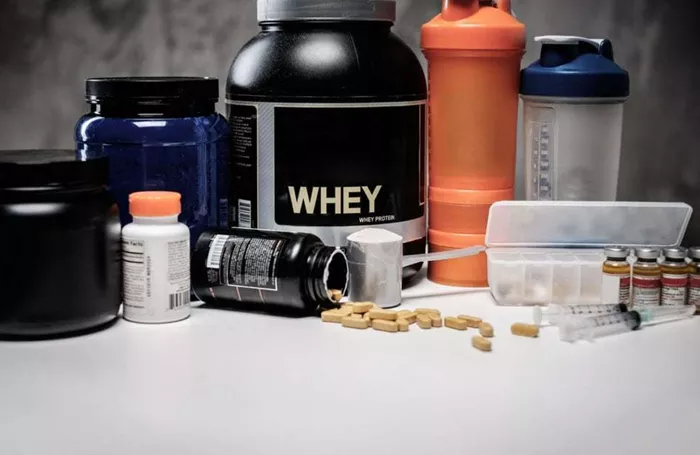
Exercise is tough, but swallowing a pill is easy. That simple fact helps explain why Americans spend billions of dollars each year on supplements marketed to improve strength, speed, or recovery. Yet most of these products lack strong scientific evidence—and some even contain risky, unlabeled ingredients such as experimental stimulants, steroids, or high doses of caffeine.
So, which supplements are actually worth your time? A 2018 report from the International Olympic Committee (IOC) highlighted a handful of supplements with credible evidence to support performance benefits. While none will turn you into a super-athlete, they may provide small but meaningful advantages when used appropriately.
1. Caffeine
Caffeine doesn’t just help you wake up—it can also boost athletic performance. By reducing how hard exercise feels, caffeine enables athletes to sustain effort longer. Benefits are strongest for endurance sports but also apply to short sprints and team activities.
Typical recommendations are 3–6 mg per kilogram of body weight about an hour before exercise. For a 150-pound person, that’s 200–400 mg (roughly one to two cups of coffee). Keep in mind, caffeine sensitivity varies widely, so start small and test your tolerance in training, not competition.
2. Creatine
Creatine is one of the most studied and effective supplements for building muscle and power. It works by replenishing short-term energy stores, helping you squeeze out a few extra reps or efforts during training. Taken consistently, usually 3–5 grams per day, creatine supports long-term muscle and strength gains. Emerging research also hints at potential benefits for brain and heart health, though evidence is strongest for athletic performance.
3. Baking Soda
Also known as sodium bicarbonate, baking soda can reduce the acidity that builds up in muscles during intense efforts, delaying fatigue. Athletes have known about its potential for decades, but stomach issues made it impractical for most. Recently, new gel-based formulas have improved tolerance, leading to renewed interest among endurance athletes.
4. Beta-Alanine
This naturally occurring amino acid also helps buffer acidity inside muscles, boosting performance during short bursts of high-intensity effort lasting one to four minutes. Unlike baking soda, beta-alanine requires 10–12 weeks of daily use before results appear. Some users experience harmless tingling sensations, a common side effect.
5. Nitrate
Nitrates, commonly consumed through beetroot juice, may improve exercise efficiency by reducing the oxygen cost of endurance activity. This can be especially helpful in longer races like half-marathons or marathons. Typical supplements deliver about 400 mg of nitrate per serving. However, gastrointestinal discomfort is common, so trial use in training is essential before race day.
Other Supplements to Watch
The IOC list isn’t exhaustive. Researchers continue to investigate other options such as ketones for energy, collagen for joint health, and antioxidant blends for recovery. Results are mixed, and few meet the standard of consistent, reproducible evidence. Protein powder, often considered more food than supplement, does have strong support for enhancing muscle gains when paired with strength training.
Bottom Line
No pill or powder will replace smart training, good nutrition, and adequate sleep. But a select few supplements—particularly caffeine, creatine, baking soda, beta-alanine, and nitrates—have credible evidence of benefits when used correctly. Approach all others with caution, and remember: the hype often exceeds the science.
YOU MAY ALSO LIKE
8 Fitness Supplements That Can Power Up Your Workout
Men’s Supplements Surge: New Trends in Health, Fitness, and Beauty for 2025
Top 3 Pre-Workout Supplements to Boost Men’s Health and Fitness
