
Your lungs do far more than just help you breathe—they may also hold key clues to how well you’re ageing. New research suggests lung function is not only a marker of respiratory health but also a predictor of overall wellbeing.
When Lungs Reach Their Peak
In May 2025, an international team of scientists released one of the first large-scale studies tracking lung function across the lifespan. Drawing on data from 30,000 men and women, the research confirmed that lung capacity peaks in early adulthood—typically the early to mid-20s, with women reaching maximum function slightly earlier than men.
Judith Garcia-Aymerich, professor at the Barcelona Institute for Global Health and lead author of the study, says the gradual decline that follows is largely a natural part of ageing. However, factors such as smoking, air pollution and chronic conditions like asthma can speed up this loss.
“The stronger your lung capacity at its peak, the better protected you are against chronic respiratory disease later in life,” Garcia-Aymerich explains.
A DIY Lung Check
While lung capacity is usually measured in clinics using specialist equipment, a simple at-home test can give an indication. It involves a plastic bottle, water and a rubber tube. By marking water levels in the bottle and blowing into it, you can estimate your forced vital capacity (FVC)—the maximum amount of air you can exhale after a deep breath.
Normal FVC values range from three to five litres, according to the American Lung Association. On average, FVC declines by 0.2 litres per decade, even in healthy non-smokers.
But John Dickinson, head of the exercise respiratory clinic at the University of Kent, cautions against overinterpreting home results. “Many people struggle to fully empty their lungs, so readings may appear lower than they really are,” he notes.
Another quick check is measuring how long you can exhale after a full breath. Anything under 11 seconds may suggest reduced lung function.
Why Lung Health Matters Beyond Breathing
Declining lung capacity does not just raise the risk of chronic obstructive pulmonary disease (COPD). It has also been linked to high blood pressure, metabolic disorders, frailty, immune dysfunction and even cognitive decline.
That connection may lie in what Canadian ageing researcher Dawn Bowdish calls the “lung-immune axis.” The lungs host millions of immune cells that clear pollutants, repair tissue and fight infection. When this defence system falters, chronic inflammation and scarring can spread beyond the lungs, affecting the entire body.
Protecting and Strengthening Your Lungs
Although lung decline is inevitable with age, experts say lifestyle choices can slow the process. Key recommendations include:
- Regular exercise to strengthen respiratory muscles and reduce inflammation.
- A balanced diet rich in antioxidants, omega-3s and vitamins C and E, while limiting excess salt.
- Maintaining a healthy weight, as abdominal fat can restrict lung expansion.
- Avoiding smoking and vaping, both of which accelerate inflammation and scarring.
Emerging evidence also supports inspiratory muscle training (IMT), which involves breathing against resistance using medical devices like Powerbreathe. Research shows IMT improves exercise capacity, lowers blood pressure and is used in hospitals to aid recovery from conditions including Covid-19.
For a more creative option, singing or playing a wind instrument may also strengthen respiratory control. Trials suggest these activities help patients with COPD improve their breathing endurance.
When to Seek Medical Advice
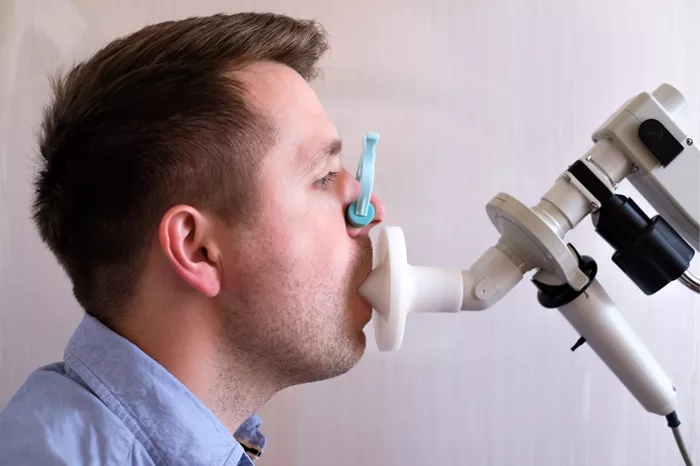
For a precise assessment, doctors recommend a spirometry test, which measures both FVC and forced expiratory volume in one second (FEV1). These readings provide a detailed picture of airflow and lung efficiency. Dickinson advises healthy adults to undergo testing roughly every decade—or sooner if unexplained breathlessness occurs.
While lungs inevitably change with age, experts agree that proactive care—whether through exercise, diet or breathing training—can preserve function and support healthy ageing. As Garcia-Aymerich puts it: “The way we look after our lungs today will shape our health for decades to come.”
Read more
FDA Approves First Drug Specifically for Chronic Lung Disease Bronchiectasis
New Minimally Invasive Procedure Offers Relief for Men with Enlarged Prostate
Multiple Mental Health Disorders Linked to 11-Fold Dementia Risk
