
Prostate cancer is the most commonly diagnosed cancer in men in the UK and ranks second only to lung cancer worldwide. In the United States, rates are higher than in any other country.
Although cases are increasingly found in younger men, prostate cancer is largely age-related. Early detection is critical, yet many men dismiss the warning signs. Key symptoms include:
- Frequent or interrupted urination, particularly at night
- Blood in urine or semen
- Persistent pain in the genital or hip area
These indicators can point to prostate problems, and delaying medical attention often results in worse outcomes.
Rising Awareness Through Personal Stories
Some men face increased risk due to family history. Six-time Olympic cycling champion Sir Chris Hoy recently revealed his terminal diagnosis at age 48. His first symptom was unexpected shoulder pain, a reminder that prostate cancer can present in less obvious ways.
While these signs may cause alarm, not all cases point to cancer. Benign prostatic hyperplasia (BPH), an enlarged prostate, is a common condition that can cause similar symptoms. In BPH, the prostate can grow from the size of a walnut to that of a grapefruit, pressing against the bladder and causing frequent urination. Treatments are available to manage the condition, including medications that can reduce prostate size before surgery becomes necessary.
Diet and Prevention
Medical experts stress that prevention is always preferable to treatment. Evidence suggests that a healthy diet may reduce the risk of prostate cancer. Several foods are gaining attention for their potential benefits:
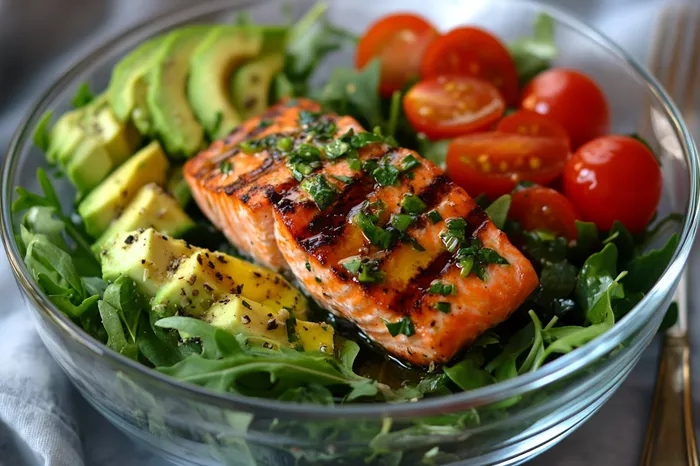
Tomatoes: Rich in lycopene, a powerful antioxidant, tomatoes are a staple of the Mediterranean diet, which is linked to lower cancer rates. Greenhouse-grown vine tomatoes are especially nutrient-dense.
Cruciferous vegetables: Kale, broccoli sprouts, and microgreens contain compounds such as sulforaphane that may slow cancer progression. Broccoli microgreens, in particular, have shown promise in reducing risk.
Wasabi Japonica: This Japanese crop produces a compound called 6-MITC, found to be highly effective in killing cancer cells in laboratory studies. Advances in hydroponics are making commercial cultivation more feasible.
Berries: Strawberries and other berries are packed with antioxidants that help repair DNA damage. Controlled-environment farming has enhanced their cancer-fighting compounds.
Mushrooms: Varieties such as white button mushrooms (Agaricus bisporus) have been shown in clinical trials to reduce prostate-specific antigen (PSA) levels in some men, suggesting a role in managing recurrent cancer.
Other foods: Green tea, garlic, nuts, pulses, and pomegranate juice have all been linked to potential protective effects against prostate cancer.
When to Seek Medical Advice
Men experiencing any of the above symptoms—or unexplained fatigue—should consult their GP. A simple blood test measuring PSA levels remains one of the most effective ways to assess prostate health and determine whether further investigation is needed.
YOU MAY ALSO LIKE
Proton Therapy Boosts Prostate Health for Cancer Survivor
Alpha Particle Therapy Advanced Prostate Health, Targets Tumors Precisely
