
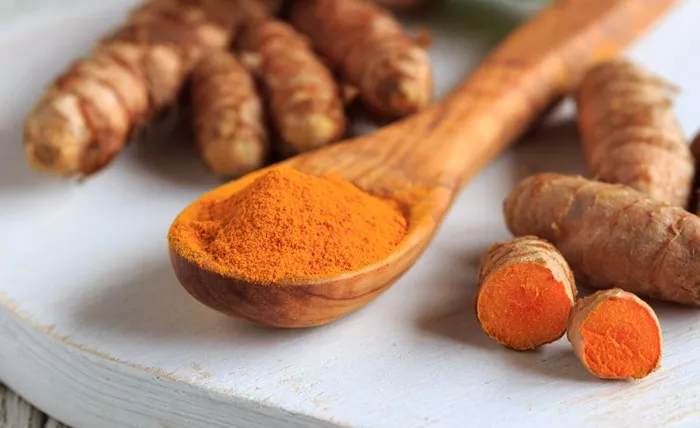
Turmeric, the golden-hued spice celebrated in Asian cuisine, has long been touted for its anti-inflammatory properties. Beyond adding flavor to dishes like turmeric dahl or cauliflower soup, the active compound in turmeric, curcumin, is now available in high-strength supplements aimed at reducing chronic inflammation and joint pain. But what does the science actually show?
How Curcumin Works
Pharmacists explain that curcumin targets key molecular messengers that drive inflammation. Laboratory studies show it can block nuclear factor-kappa B (NF-kB), a regulator of numerous inflammatory genes. It also reduces the production of tumor necrosis factor-alpha (TNF-α) and certain interleukins, immune system signaling molecules that promote inflammation.
Additionally, curcumin’s antioxidant properties help neutralize free radicals, which cause oxidative stress and cellular damage. Experts describe this effect as “applying a gentle brake to the body’s inflammatory engine.”
Clinical Evidence
The strongest clinical evidence for curcumin’s effectiveness is in arthritis. Research shows that people with osteoarthritis taking around 1,000 mg of standardized curcumin daily for 8–12 weeks reported reduced stiffness and pain. In some studies, curcumin performed comparably to non-steroidal anti-inflammatory drugs (NSAIDs) like ibuprofen—but without the same risks of kidney stress or stomach ulcers.
Limited studies on rheumatoid arthritis, a more severe autoimmune condition, suggest curcumin may improve mobility and reduce swelling. While promising, larger trials are needed to confirm these effects.
Absorption and Side Effects
Curcumin’s therapeutic potential is hindered by poor absorption in the body. A small sprinkle of turmeric on food is beneficial but unlikely to deliver the full anti-inflammatory effects observed in clinical trials.
Adding piperine, a compound found in black pepper, can increase curcumin absorption by up to 2,000%. Cooking turmeric in milk or oil may also enhance digestion. Modern supplements use advanced delivery systems, including curcumin nanoparticles and liposomal capsules, to improve bioavailability.
Does Turmeric Live Up to the Hype?
Experts say curcumin does have proven anti-inflammatory effects, particularly for arthritis, and shows potential for other inflammation-related conditions. However, its benefits are most effective when paired with a healthy lifestyle that includes exercise, balanced nutrition, and appropriate medical care.
Whether consumed in food or as a supplement, curcumin—especially when combined with black pepper extract—offers a scientifically supported, natural approach to managing inflammation.
YOU MAY ALSO LIKE
ADHD Medications Often Prescribed Too Quickly for Young Children
8 Fitness Supplements That Can Power Up Your Workout
Natural Testosterone Booster: Foods and Lifestyle Tips for Older Men
