
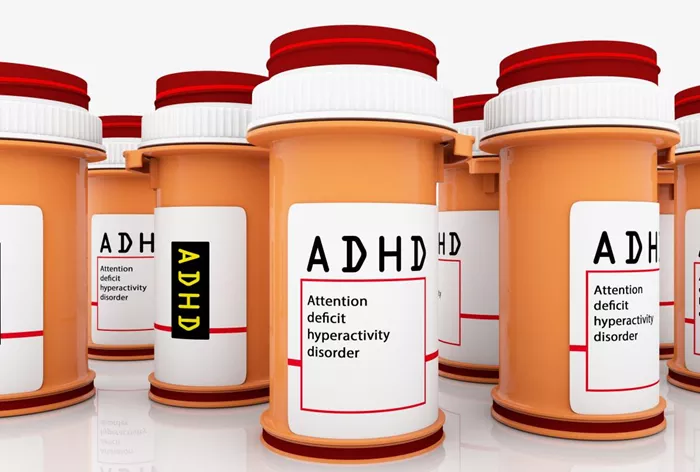
A new study led by Stanford Medicine reveals that young children diagnosed with attention-deficit/hyperactivity disorder (ADHD) are frequently prescribed medication far sooner than clinical guidelines recommend.
Published in JAMA Network Open, the study analyzed health records of nearly 10,000 preschool-aged children, ages 3 to 5, diagnosed with ADHD between 2016 and 2023. Researchers found that about 68% of these children received medication, primarily stimulants like Ritalin, before turning 7.
Alarmingly, the study showed that 42% of these children were prescribed medication within just 30 days of diagnosis.
“ADHD is a disorder characterized by difficulty paying attention or hyperactivity—kids who have trouble sitting still and tend to have high energy,” explained Jamie Howard, a senior clinical psychologist at the Child Mind Institute, who was not involved in the study. Howard emphasized that behavioral interventions, which carry minimal risk, should typically be the first line of treatment for young children.
“We always want to start with the lowest possible harm,” she said. “Behavioral interventions do very little harm and can be highly effective.”
Dr. Yair Bannett, assistant professor of pediatrics at Stanford Medicine and the study’s lead author, noted that while medications are generally safe for 4- and 5-year-olds, side effects often lead families to discontinue treatment. These side effects can include irritability, aggression, and emotional challenges.
“The high rate of medication prescriptions among preschool-age children and the lack of delay between diagnosis and prescription require further investigation to assess the appropriateness of early medication treatment,” the study concluded.
The research also found that boys represented the majority of young ADHD diagnoses, accounting for roughly 76% of cases.
Howard highlighted that while stimulant medications can be helpful, they are only one part of ADHD treatment. “We want to give children the opportunity to try other strategies first, and then, if needed, medication can be incredibly beneficial,” she said.
YOU MAY ALSO LIKE
ADHD Medications Show Broader Benefits in Depression Treatment Research
Teen Misuse of ADHD Medications Declines Despite Rise in Prescriptions
New FDA Labeling to Warn of Weight Loss Risk in ADHD Medications
