
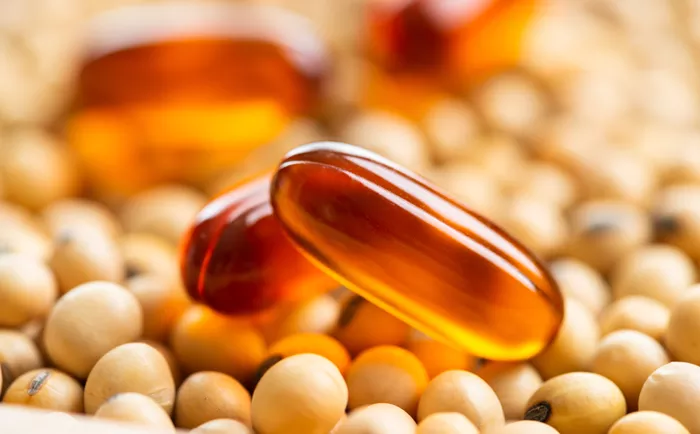
Lecithin, a naturally occurring mixture of fats, is gaining attention for its potential health benefits, particularly in supporting menopausal women, skin health, and cognitive function. Found in egg yolks, soybeans, sunflower seeds, and fish, lecithin is widely available as a supplement in powder and softgel form.
1. Supports Skin Health
Studies suggest lecithin may protect the skin against UV damage and support regeneration. Lecithin-based sunscreens offer eco-friendly alternatives to traditional products, which have been linked to coral reef damage. Research also indicates potential benefits for dry skin, skin disorders, and hair health.
2. Promotes Digestive Health
Lecithin may stimulate intestinal mucus production, aiding digestion and protecting the gastrointestinal lining. It has been explored for managing irritable bowel syndrome (IBS), though some evidence indicates soy lecithin may affect gut bacteria negatively. More robust studies are needed.
3. Reduces High Cholesterol
A 2024 review highlighted lecithin’s potential cardiovascular benefits, including lowering LDL (“bad”) cholesterol and increasing HDL (“good”) cholesterol. While results are promising, further research is required to confirm its long-term safety and effectiveness.
4. Supports Cognitive Function
Phosphatidylcholine, a key component of lecithin, has been investigated for memory and cognitive support, including reducing risk factors for Alzheimer’s and Parkinson’s-related dementia. Current evidence is preliminary, with more studies needed to establish clinical benefits.
5. Alleviates Menopausal Symptoms
A study examining soy lecithin supplementation in menopausal individuals found that higher doses (1,200 mg/day) may improve energy, lower diastolic blood pressure, and reduce arterial stiffness. Researchers caution that more studies are necessary to validate these effects.
6. Assists in Treating Mastitis
Lecithin may help prevent or reduce clogged milk ducts during breastfeeding. Recommended dosages range from 5 to 10 grams daily, but consultation with a healthcare provider is essential before use.
7. Potential Benefits for Ulcerative Colitis
Some research suggests that phosphatidylcholine-rich lecithin may protect the colon from inflammation and harmful bacteria in ulcerative colitis. Early studies show promise, though clinical confirmation is pending.
8. Supports Gallbladder and Liver Health
Preliminary research indicates lecithin may help prevent gallstones and support liver function, particularly in conditions like metabolic dysfunction-associated steatotic liver disease (MASLD). Evidence remains limited, and more studies are required.
9. May Enhance Wound Healing
Animal studies show that lecithin’s antioxidant properties can speed wound healing. Translation to human benefits has yet to be confirmed.
Safety and Dosage Considerations
Lecithin is generally safe in moderate doses. Side effects may include stomach discomfort or diarrhea. Excessive intake of choline from lecithin can lead to sweating, low blood pressure, and liver damage. Dosages vary by purpose: 600–1,200 mg/day for menopausal support and 5–10 grams/day for mastitis. Always consult a healthcare provider before starting supplementation, especially during pregnancy, breastfeeding, or when managing chronic conditions.
Sources and Nutritional Value
Beyond supplements, lecithin is naturally present in soybeans, sunflower seeds, egg yolks, and fish. Nutritional content varies by form, with soybean lecithin oil and granules providing significant choline, essential fatty acids, and phosphorus.
Precautions and Interactions
Individuals with allergies to eggs, soy, or sunflower should avoid lecithin. It may interact with medications for blood pressure and cholesterol. Children, people with kidney disease, and pregnant or breastfeeding women should seek professional guidance before use.
Lecithin continues to show potential in multiple areas of health, from menopause symptom relief to cardiovascular and cognitive support. While existing studies are promising, experts emphasize the need for more research to establish definitive benefits and safe usage guidelines.
YOU MAY ALSO LIKE
Menopause Supplements Gain Popularity for Easing Hot Flashes and Mood Swings
Midi Health Launches Menopause Supplements for Women 40+
Menopause MD Highlights Top Supplements to Support Women in Midlife
