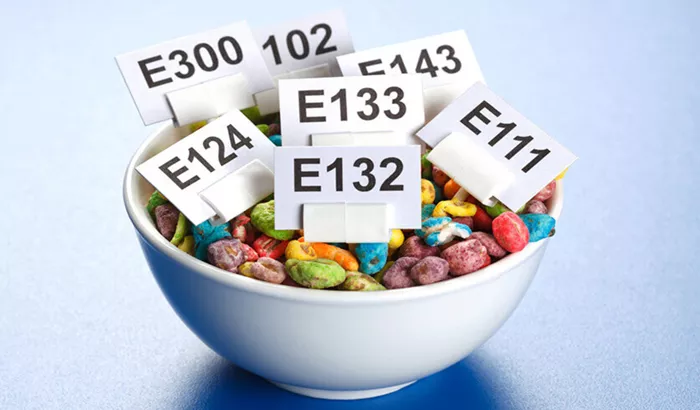
A large-scale study from Germany has found that certain food additives—including flavours, sweeteners, colouring agents, and added sugars—are tied to higher mortality risk, underscoring growing concerns about the health impacts of ultra-processed foods (UPFs). The research, published in eClinicalMedicine, is the first to directly examine whether specific additives drive health risks beyond overall UPF consumption.
Rising consumption, rising concerns
UPFs are highly industrially processed products often high in fat, sugar, and salt but low in nutrients such as fibre and vitamins. They now account for more than half of total daily energy intake in countries such as the UK and US, compared with around 10% in Italy. Prior research has consistently linked UPFs to obesity, weight gain, and chronic disease, prompting many national dietary guidelines to advise limiting their consumption.
The study
Researchers analyzed data from 186,744 UK Biobank participants aged 40–75, who provided repeated 24-hour dietary recalls. Each reported food was matched with commercial supermarket products, allowing scientists to identify 57 potential “markers of ultra-processing” (MUPs)—ingredients such as sweeteners, flavours, or colouring agents.
Mortality records were tracked for an average of 11 years, during which 10,203 deaths were recorded. Advanced statistical models accounted for lifestyle and demographic factors including age, BMI, smoking, and income.
Key findings
Overall UPF intake made up 20% of total food consumption in the study population. Higher UPF consumption was strongly linked with greater risk of all-cause mortality.
Five additive categories showed the strongest associations with increased death risk:
- Flavours – intake above 10% of food consumption raised risk by 20%.
- Flavour enhancers – even small intakes were linked to higher risk.
- Colouring agents – higher consumption tied to a 24% increase in risk.
- Sweeteners – intake at 20% of diet increased risk by 14%.
- Added sugars – moderate intake linked to a 10% increase in risk.
Thirteen specific additives—including artificial sweeteners like acesulfame, saccharin, and sucralose, as well as sugars such as fructose and maltodextrin—were significantly associated with mortality. Interestingly, some processing aids, such as gelling agents containing pectin, were linked to reduced risk.
Implications
The authors say the findings support mechanistic evidence that additives can disrupt metabolism, contribute to weight gain, and alter gut microbiota. While the study’s strengths include its large sample and long follow-up, limitations include reliance on self-reported diets and potential bias in the Biobank cohort.
Still, the research suggests not all UPF ingredients carry the same risks. As lead investigators note, pinpointing harmful additives could refine public health advice and help consumers make safer choices in an increasingly processed food environment.