
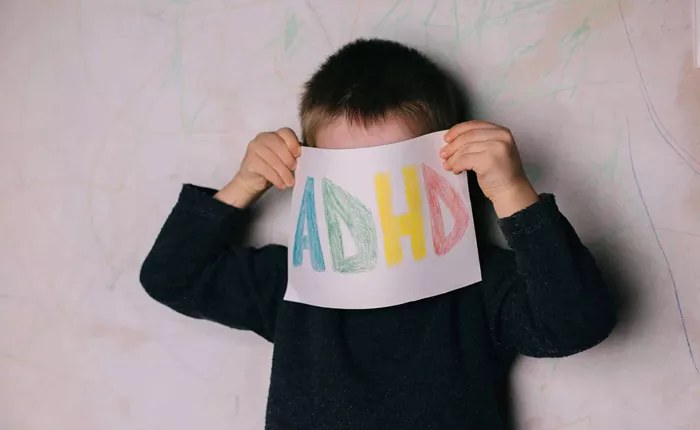
A new study by UC Davis Health reveals that a significant number of children with autism also exhibit attention-deficit/hyperactivity disorder (ADHD), highlighting the importance of early and precise diagnoses to ensure appropriate care. The research was published in European Child and Adolescent Psychiatry.
“As a clinician, I see firsthand how these symptoms affect daily functioning for these youth,” said Julie Schweitzer, professor in the Department of Psychiatry and Behavioral Sciences and director of the Attention, Impulsivity and Regulation (AIR) ADHD program at the UC Davis MIND Institute. “If we’re not attuned to these issues, they may go unaddressed, potentially impacting these young people’s long-term success.”
Child and adolescent psychiatrist Elicia Fernandez emphasized the critical role of accurate diagnoses. “Identifying comorbidities like ADHD in autism is essential for developing effective treatment plans. Early assessment and intervention are closely linked to improved outcomes,” she said.
The Significance of Dual Diagnoses
Although clinicians have long recognized autism and ADHD separately, their co-occurrence was officially acknowledged only in 2013 with the publication of the fifth edition of the Diagnostic and Statistical Manual of Mental Disorders (DSM-5). Since then, research has expanded to examine how overlapping traits influence a child’s behavior and medical needs. Accurate diagnosis is crucial for providing targeted interventions and safeguarding a child’s long-term well-being.
“If a youth with autism exhibits irritability or challenging behaviors, a provider might prescribe antipsychotic medication,” Fernandez noted. “However, these medications carry risks such as metabolic syndrome and movement disorders. If ADHD is the underlying issue, antipsychotics are not the first-line treatment, which underscores the importance of precise evaluation.”
Building on the CHARGE and ReCHARGE Studies
Researchers at UC Davis Health leverage extensive longitudinal studies—CHARGE (Childhood Autism Risks from Genetics and the Environment) and its follow-up ReCHARGE—to explore links between autism, ADHD, and other neurodevelopmental conditions. Public Health Sciences Professor Irva Hertz-Picciotto, a lead investigator of both studies, directs their ongoing work.
The current study revisited participants from CHARGE, employing parental interviews, behavioral observations, and rating scales to identify ADHD diagnoses and symptoms in children with autism or other developmental disabilities. The research focused on distinguishing ADHD subtypes, which was facilitated by the study’s large sample size.
“There are three ADHD presentations,” Schweitzer explained. “Inattentive type involves difficulty sustaining attention and organizing tasks. Hyperactive type is characterized by impulsivity and restlessness. The combined type exhibits features of both.”
Untangling Complex Diagnoses
The study evaluated 645 participants and found that 213 met criteria for an ADHD diagnosis. Early childhood autism diagnosis was a strong predictor of later ADHD. The research also revealed the complexities in diagnosing ADHD in children with multiple neurodevelopmental conditions.
In some cases, children initially suspected of having autism were later found not to meet diagnostic criteria. As these children grew, many demonstrated inattentive ADHD traits, suggesting the disorder may have been present from early childhood.
These findings offer clinicians valuable insights for more accurate diagnoses, reducing the risk of missed or inappropriate interventions. Early identification supports targeted therapy, ongoing monitoring, and improved long-term outcomes.
“Understanding each child’s unique profile can substantially improve quality of life,” Schweitzer said. “Strengthening attention enhances the effectiveness of strategies for social skills, language development, and navigating social situations.”
Untreated ADHD can contribute to increased risk of injuries, substance use, social difficulties, academic challenges, depression, and anxiety. Addressing ADHD in children with autism is therefore critical to maximize therapeutic benefits and overall development.
YOU MAY ALSO LIKE
24/7 Mental Health Helpline Now Available to Police Officers
Effective Psychiatric Hospitalization Reduces Suicide Risk Significantly
