
A new international study has revealed that while men and women score similarly in overall adherence to the Mediterranean lifestyle, the ways they achieve those scores differ sharply, with implications for health policy and targeted interventions.
The research, published in Frontiers in Nutrition, surveyed more than 4,000 adults across 10 Mediterranean and neighboring countries. Using the Mediterranean lifestyle (MedLife) Index, researchers explored diet, physical activity, sleep, mental health, and social participation to understand gender-specific patterns and perceived barriers.
Key Findings
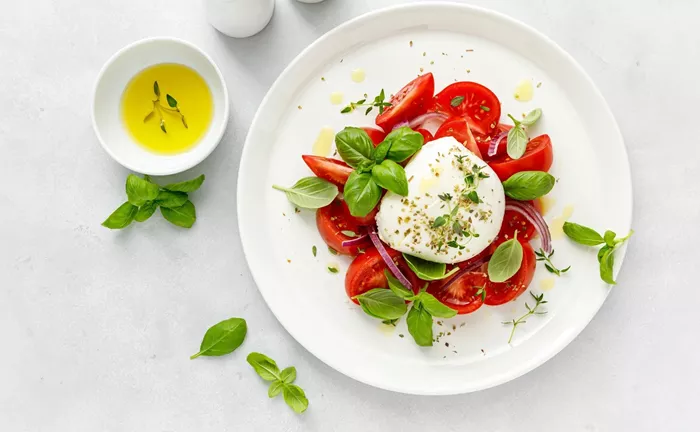
Women were more consistent in following traditional Mediterranean food practices—favoring olive oil, herbs, vegetables, and reduced red or processed meat. They also reported higher whole grain consumption and reduced sugar use. By contrast, men more often met recommendations for fish, legumes, and moderate wine intake, especially in Mediterranean regions.
Beyond diet, men displayed stronger lifestyle markers: they exercised more, participated in collective sports, socialized frequently, and reported better sleep efficiency. Women, however, tended to sleep longer but with lower quality, experienced higher insomnia severity, and reported greater anxiety, stress, and depression scores.
Technology use also differed—women reported higher screen time, while men scored higher on overall social participation.
Psychological and Social Differences
Women expressed more barriers to following the Mediterranean diet, particularly related to knowledge gaps, taste preferences, and attitudinal obstacles. Men cited low motivation and medical reasons as primary challenges. Importantly, women showed higher demand for nutritional, psychological, and physical support, while men were less likely to seek such help.
Despite these contrasts, the study found that higher MedLife scores were consistently linked with better physical activity, social connectedness, and sleep satisfaction, while correlating with lower stress, anxiety, depression, and insomnia.
Implications
The authors argue that these findings support gender-sensitive strategies for promoting healthier lifestyles. For women, this could mean pairing nutrition education with sleep and stress support in universities and workplaces. For men, strategies may emphasize activity-based cooking programs, hydration reminders, and social engagement to reinforce dietary choices.
While the study highlights important cultural and behavioral patterns, its cross-sectional design and reliance on self-reported data limit causal conclusions. Nonetheless, researchers stress that recognizing gender-specific barriers and behaviors can help shape more effective public health initiatives.
YOU MAY ALSO LIKE
FDA Grants Approval for Ketamine-Based KETARx in Surgical Pain Care
