
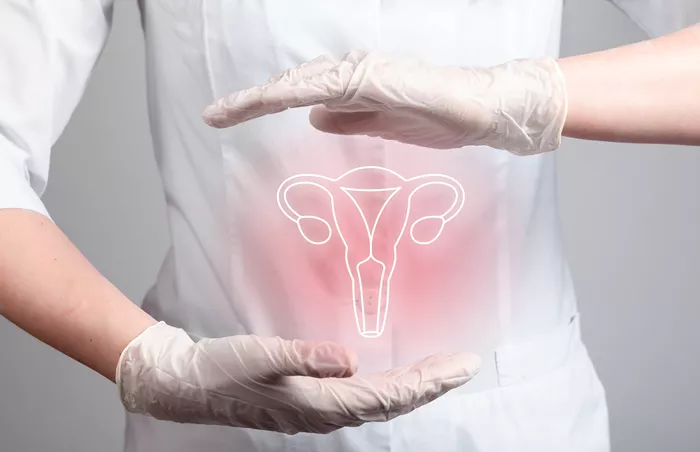
Globally, women live an average of three and a half years longer than men, yet they often spend more years in poor health.
Maternal risks, childbirth complications, and limited access to healthcare in low-income countries contribute to a shorter “health span” for women, leaving millions vulnerable to preventable illness and death.
Addressing this disparity is central to the latest initiative from the Bill & Melinda Gates Foundation.
As part of a broader $200 billion commitment to global health over the next two decades, Microsoft co-founder Bill Gates announced plans to deploy a significant portion of his wealth toward eliminating diseases disproportionately affecting women and children.
Gates indicated that the foundation, established in 2000 with then-wife Melinda French Gates, will eventually wind down after these efforts.
Speaking at an event with STAT News in Cambridge, Massachusetts, Gates highlighted past successes in reducing child mortality through vaccination programs and lowering maternal deaths using inexpensive blood-loss measurement tools.
“The progress on childhood death has been pretty phenomenal; maternal deaths have not gone down as quickly,” he said. “We said, ‘We really need to go after these things.’”
Dr. Anita Zaidi, president of the foundation’s Gender Equality Division, cited 2021 McKinsey research showing that, excluding cancer studies, only 1% of healthcare research and development is devoted to female-specific conditions.
She also noted that women remain underrepresented in clinical trials for diseases that affect both sexes, limiting understanding of how women experience conditions such as cardiovascular disease.
The foundation aims to combine AI-driven diagnostics with expanded access to existing medical technologies. While tools like prenatal ultrasounds are commonplace in wealthier nations, they remain inaccessible to many women in low-resource settings.
Globally, 70% of women lack access to a basic pregnancy ultrasound. Even in the U.S., gaps persist: in 2022, about 2.3 million women of childbearing age lived in “maternity deserts,” counties without hospitals, birthing centers, or qualified midwives.
The $2.5 billion R&D investment will target five key areas: obstetrics and maternal immunization; maternal health and nutrition; gynecological and menstrual health; contraceptive innovation; and sexually transmitted infections. Specific research priorities include the vaginal microbiome, therapeutics for preeclampsia, and non-hormonal contraceptives.
Zaidi stressed the broader economic impact, noting that every $1 invested in women’s health generates an estimated $3 in economic growth. “Women’s health is not just a philanthropic cause,” she said. “It’s an investable opportunity with immense potential for scientific breakthroughs that could help millions of women.”
However, Zaidi cautioned that the $2.5 billion commitment represents only a fraction of what is needed to protect women and children from preventable causes. Delivering solutions will require collaboration with governments, corporations, and other philanthropic organizations.
Dr. Ru-fong Joanne Cheng, director of Women’s Health Innovations at the foundation, emphasized the importance of deliberate action. “We need everyone to join in, raise the visibility of these issues, raise the fact that so little attention has been paid toward the health of over half the population of the globe… It’s not going to happen spontaneously; it has to be intentional. It has to be deliberate.”
READ MORE
Low Cervical Cancer Screening Rates Drive Higher Deaths in Rural Areas
High-Dose Vitamin D in Pregnancy May Lower Childhood Wheeze Risk
