
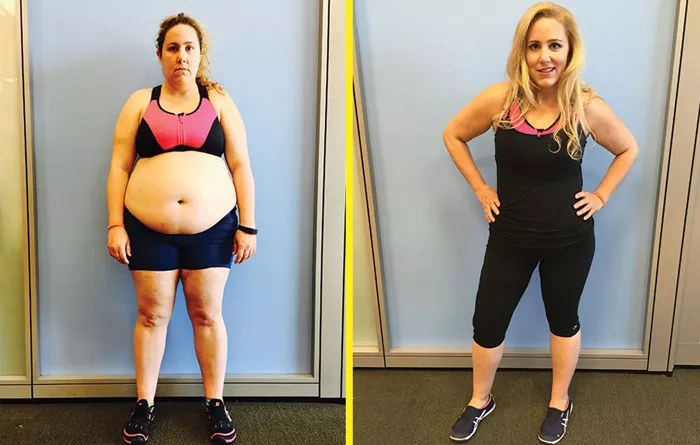
New research from the University of Oxford suggests that weight loss interventions for overweight and obese women prior to in vitro fertilization (IVF) could significantly improve their odds of conceiving naturally, potentially reducing the need for assisted reproductive treatments.
The researchers conducted a comprehensive review of 12 studies spanning from 1980 to May 2025, involving nearly 2,000 women who were candidates for IVF. Their analysis examined the relationship between body weight and pregnancy outcomes—both natural conception and IVF-assisted pregnancies—as well as live birth rates.
“All participants were offered weight loss support before IVF, and those who conceived naturally often avoided undergoing IVF altogether,” said Moscho Michalopoulou, dietician and lead author of the study.
The included studies focused on women aged 18 and older with a body mass index (BMI) of 27 kg/m² or higher, seeking IVF or intracytoplasmic sperm injection (ICSI) for infertility. While IVF typically involves mixing eggs and sperm outside the body, ICSI injects sperm directly into the egg.
Participants were mostly women in their early 30s, with a median baseline BMI of 33.6 kg/m². Weight loss strategies varied across studies and included low-energy diets, exercise combined with nutritional counseling, and pharmacotherapy alongside lifestyle advice.
“Low-energy diets use formula meal replacements to create a substantial calorie deficit, usually under 1,000 kcal per day, followed by gradual food reintroduction,” Michalopoulou explained. “When supervised, these diets are safe and effective for women.”
One study focused on high-intensity interval training paired with healthy eating guidance, while pharmacotherapy groups received weight loss medications alongside diet and exercise recommendations.
The review found that women who engaged in supported weight loss programs prior to IVF had a 47% higher chance of conceiving naturally compared to those who received standard care. This suggests that more women in the intervention groups avoided IVF by achieving pregnancy without medical assistance.
However, the effect of weight loss on IVF-induced pregnancies was inconclusive. “Some studies showed increased IVF pregnancy rates after weight loss, others showed decreases, and some showed no change,” Michalopoulou noted, citing variability and methodological differences as limiting clear conclusions.
Data on live birth outcomes were limited and inconsistent, although the review found moderate certainty that weight loss interventions did not increase the risk of pregnancy loss.
Obesity is known to disrupt fertility by causing hormonal imbalances, insulin resistance, inflammation, and conditions like polycystic ovary syndrome (PCOS), which interfere with ovulation. It also negatively affects IVF outcomes by reducing medication responsiveness and increasing miscarriage risk.
“Achieving a healthier weight can restore hormone balance, improve insulin sensitivity, reduce inflammation, and enhance ovulatory function,” Michalopoulou said. “For women undergoing IVF, lowering BMI may improve treatment response, egg quality, and uterine environment, boosting pregnancy chances.”
While acknowledging that many women with obesity have healthy pregnancies, she stressed that higher weight before and during pregnancy is associated with greater risks of complications.
Independent expert Professor Ying Cheong of the University of Southampton highlighted the need for cautious interpretation. “Weight loss can improve fertility, but its impact on IVF success remains uncertain due to small study sizes and bias risks,” Cheong said.
Michalopoulou concluded, “Weight loss before IVF appears to increase natural pregnancy rates without increasing pregnancy loss risk, offering hope for women with obesity-related infertility. Still, more large, rigorous trials are needed to confirm effects on live birth rates and IVF outcomes.”
READ MORE
