
A plant-based supplement marketed as a mood booster and energy enhancer is drawing scrutiny as users report severe health complications and signs of addiction.
The product, Feel Free, manufactured by Botanic Tonics in Oklahoma, contains two psychoactive ingredients—kratom and kava—and is widely available at gas stations, smoke shops, and retailers across the U.S.
While advertised as a legal and natural alternative to substances like caffeine and alcohol, many consumers say the product has left them physically and mentally dependent.
Personal Accounts Reveal Alarming Effects
Chris Oflyng, 28, of Madison, Wisconsin, began using kratom—Feel Free’s main active ingredient—as a substitute for his Adderall prescription. Initially believing it to be a safer option, he soon found himself consuming up to 10 bottles per day, suffering from nausea, sweating, heart palpitations, and serious skin issues.
“My skin would start to become reptilian-like,” he said. “It’s changed the way I look.”
Oflyng described the withdrawal as intense and unlike traditional opioid detox, likening it to antidepressant withdrawal with persistent cravings and emotional instability.
Another user, Jasmine Adeoye, 30, turned to Feel Free in 2022 after quitting alcohol. She hoped it would ease social anxiety—but within a year, she was spending $3,000 a month, buying from multiple locations to hide her usage.
“I was in a deep depression, tired all the time,” she said. “I had no idea it was addictive.”
After quitting cold turkey in March 2024, Adeoye endured four days of withdrawal symptoms and two weeks of intense cravings before feeling improvement. Full recovery took six months.
Experts Warn of Dangerous Drug Interaction
Health professionals are increasingly warning about the risks of combining kratom and kava, two substances that have opposing effects—stimulant and depressant—that may overstimulate the nervous system when used together.
“Kratom acts on opioid receptors and leads to tolerance and withdrawal, much like morphine,” said Dr. Lauri Wright, a nutrition professor at the University of South Florida.
Side effects reported with kratom include:
- Nausea and vomiting
- Seizures and hallucinations
- Liver damage
- Elevated blood pressure
- Constipation and tremors
Kava, when consumed heavily, has been linked to:
- Acute liver failure
- Dry, peeling skin
- Mood disorders and weight loss
- Nutritional deficiencies
“This combination increases the risk of both physical degeneration and psychological decline,” Wright added.
Company Responds to Safety Concerns
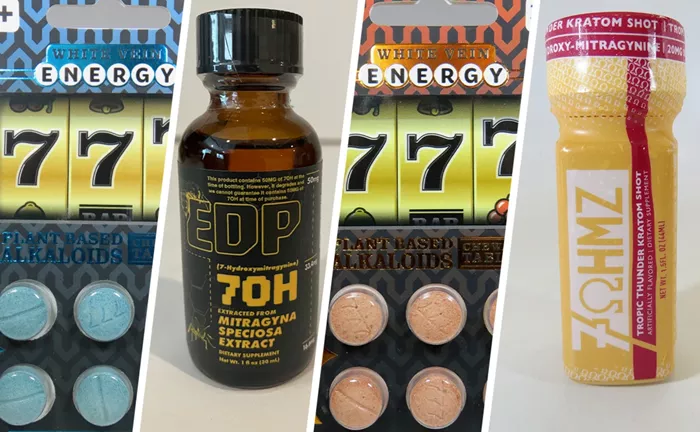
Botanic Tonics maintains that Feel Free is safe when used responsibly. The company emphasized its use of natural kratom leaf, not the concentrated synthetic 7-OH kratom, which the FDA recently moved to ban.
“We are committed to consumer education and transparency,” the company said in a statement. “Over a third of our website is dedicated to ingredient information and safety data.”
Feel Free is now sold only to individuals 21 and older, with a label warning against consuming more than two servings per day.
“If anyone has hesitation, we respect their decision not to try it.”
Still, the company urges individuals with a history of substance abuse, liver issues, or mental health conditions to consult a healthcare provider before using the product.
Calls for Regulation Grow
Both users and experts are calling for increased oversight of botanical supplements, especially those containing kratom and kava.
“Just because it’s sold in a gas station doesn’t make it safe,” said Adeoye. “People deserve to know what they’re putting in their bodies.”
READ MORE
